A well-stocked gun library is more than a shelf of books. It is the research foundation behind collecting decisions, historical interpretation, serial-number work, model identification, and understanding how firearms fit into the broader story of American industry, military history, sporting culture, and craftsmanship.
This page serves as the Gun Collectors Club reference hub. It connects the deeper background articles, collector guides, serial-number resources, book recommendations, and historical pages that help turn a casual interest into informed collecting.
In gun collecting, the library often pays for itself the first time it keeps you from buying the wrong gun.
Positioning
From article library to collector reference system
Gun Collectors Club has grown beyond galleries and single-gun writeups. The strongest traffic now comes from collectors searching for identification help: serial numbers, production dates, model differences, markings, and historical context. This library page is the front door to that reference system.
Quick Reference Guides
These pages answer the kinds of questions collectors actually type into search engines: What year was it made? Are the parts correct? What variation is it? What changed after a certain year? What makes one example more collectible than another?
Collector Guide Foundations
The four foundation pages below organize the site by broad firearm category. They are the launching pads for deeper collector research, identification guides, and individual firearm articles.
What Belongs in a Gun Library?
A comprehensive firearm library should cover several overlapping areas. Some books are pure history. Others are serial-number and production references. Some are technical manuals, while others help explain why a certain gun became culturally important.
Historical Reference Articles
The historical material on the site gives context to the guns themselves. A firearm becomes more meaningful when it is tied to a period, a design trend, a war, a sporting tradition, or a manufacturing change. For example, if you have an interest in old Winchesters, see Guide to Collecting Pre-64 Winchester Firearms .
Books Worth Owning
Digital research is useful, but physical reference books still matter. A good hardcover guide lets you compare details, verify assumptions, and slow down before making a purchase. These are the kinds of references that belong near the workbench.
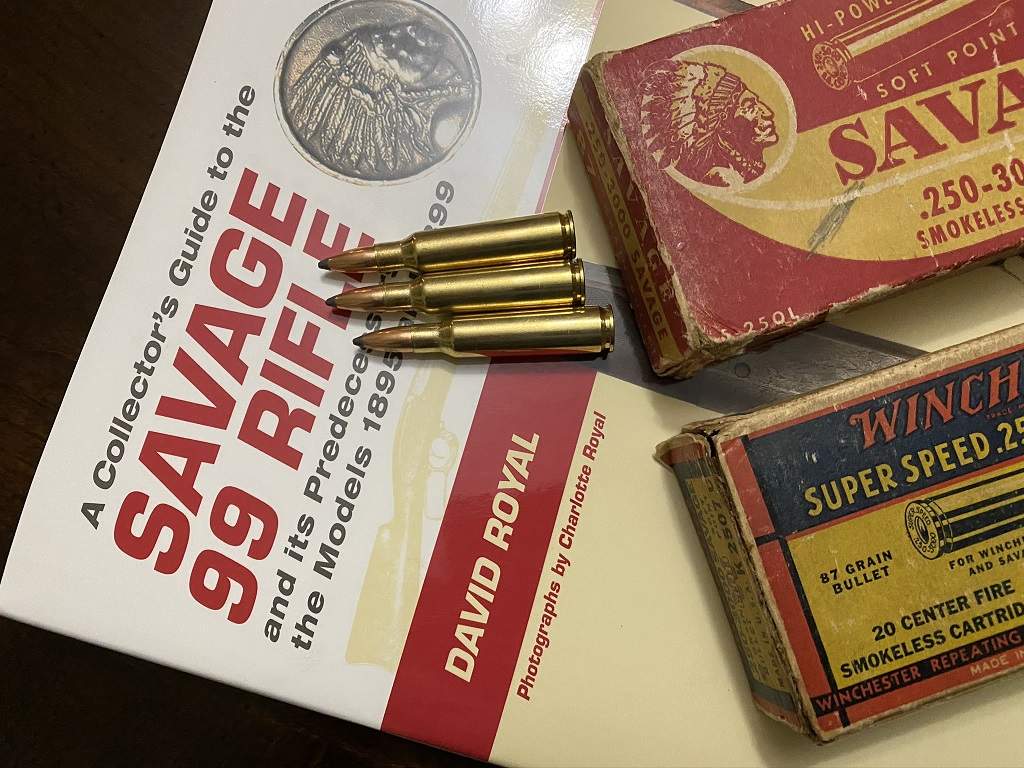
Savage 99 Reference
David Royal’s Savage 99 work is the type of model-specific reference a collector should own before buying an expensive example.
Savage 99 Hardcover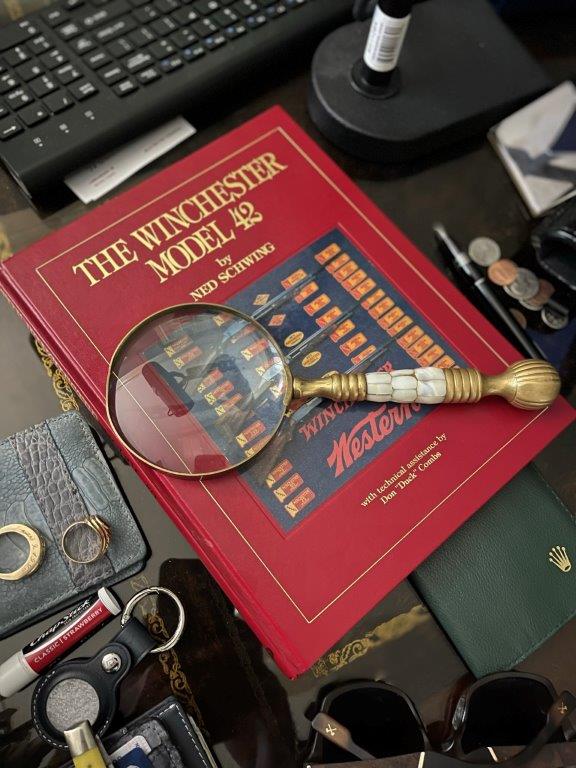
Winchester Model 42
Specialized Winchester references are essential when condition, originality, and production variation drive collector value.
Model 42 Book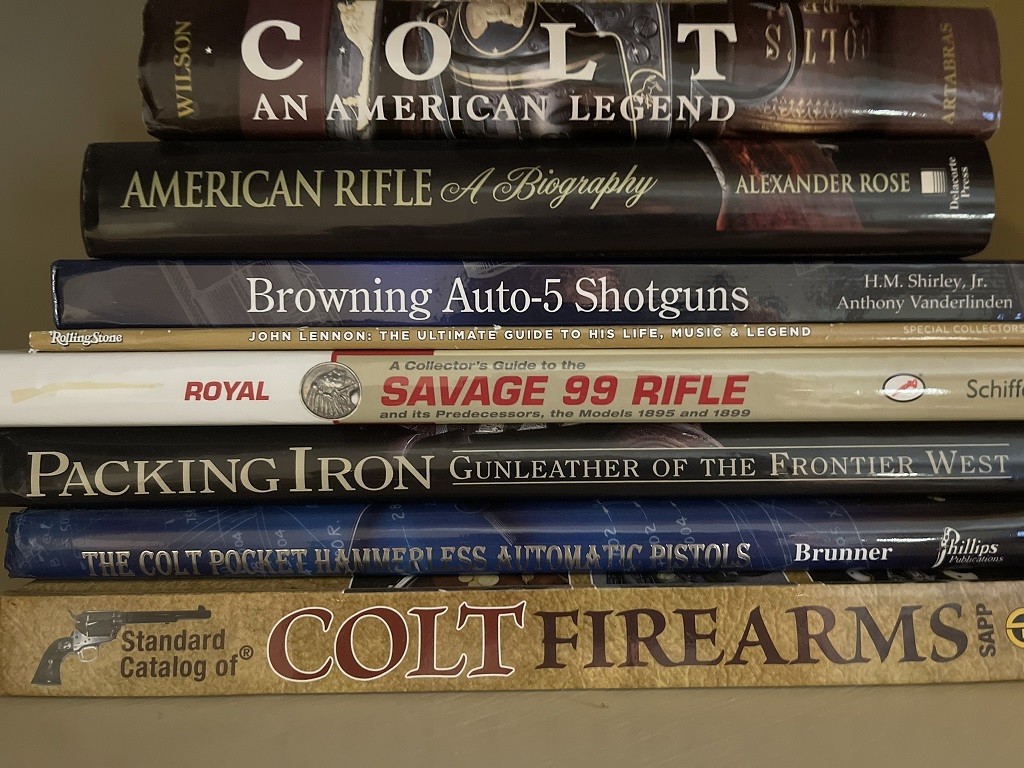
Gun Library Books
Many collector references are available digitally, but hardbound books remain useful for serious research and comparison.
Browse My Library ListTechnical and Model Topics
The reference library also connects to technical and model-specific topics. These pages help readers understand categories, actions, cartridges, and manufacturer histories.
Build Your Own Collector Library
Good books, magnification, proper lighting, cleaning supplies, archival storage, and a steady research process can prevent expensive mistakes. I keep a curated list of reference books, tools, and collector supplies that fit this kind of work.
Browse My Reference BooksAs an Amazon Associate I earn from qualifying purchases. I only link to products, books, tools, and accessories that fit the editorial purpose of Gun Collectors Club.

About Greg Cook
Greg Cook writes about firearms collecting, personal history, and the stories behind interesting guns. His Army MOS was 76Y, Unit Armorer, and he brings that practical background to his collector articles.