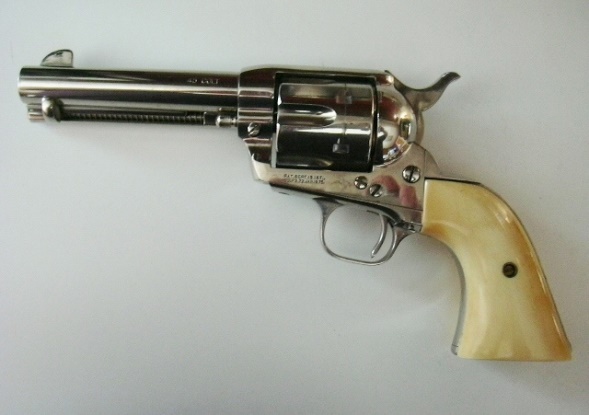
Early Life and the Revolving Idea
Samuel Colt was born in Hartford, Connecticut, and grew up in an environment where business, machines, and ambition mattered. The familiar story connects his revolving-cylinder idea to observations made during a sea voyage, especially the mechanical logic of a ship’s wheel. Whether told simply or with embellishment, the important point is that Colt saw mechanical rotation as a way to solve a firearm problem: multiple shots before reloading.
For related date-of-manufacture research, use the surviving Colt firearm research in the Colt serial-number lookup tool.
The 1836 patent established the foundation for Colt’s early revolvers, but a patent did not guarantee a market. Early Colt efforts struggled financially. The idea was promising, yet the firearms world was conservative, production was difficult, and military buyers were cautious.
Texas, the Frontier, and Proof of Concept
The Texas connection helped give Colt revolvers practical credibility. Rangers and frontier users valued repeat fire, and stories from the period helped promote the revolver as a tool suited to harsh conditions. Collectors should treat individual claims carefully, but the broader historical point is sound: field use and reputation helped Colt’s design survive early business failures.
Colt succeeded not just because he had a clever mechanism, but because he found a way to make the mechanism matter to buyers.
Factory, Marketing, and the Colt Brand
Colt’s later success came from combining design, manufacturing, capitalization, and promotion. The Hartford factory became part of the Colt story. Presentation arms, decorated revolvers, government contracts, and aggressive marketing all helped turn a firearm company into a national name.
For collectors, that means the brand itself becomes evidence. Barrel addresses, patent markings, inspector marks, serial ranges, grips, finishes, and factory letters can all matter. A Colt is rarely just “a Colt.” It is a model, variation, finish, period, and story.
Impact on American Collecting
Colt’s influence reaches across percussion revolvers, cartridge conversions, single actions, double actions, pocket pistols, Government Models, Woodsman pistols, Pythons, Cobras, and commemoratives. Even collectors who specialize in Smith & Wesson, Winchester, or Browning eventually encounter Colt because the company’s designs helped define the categories those other makers competed in.
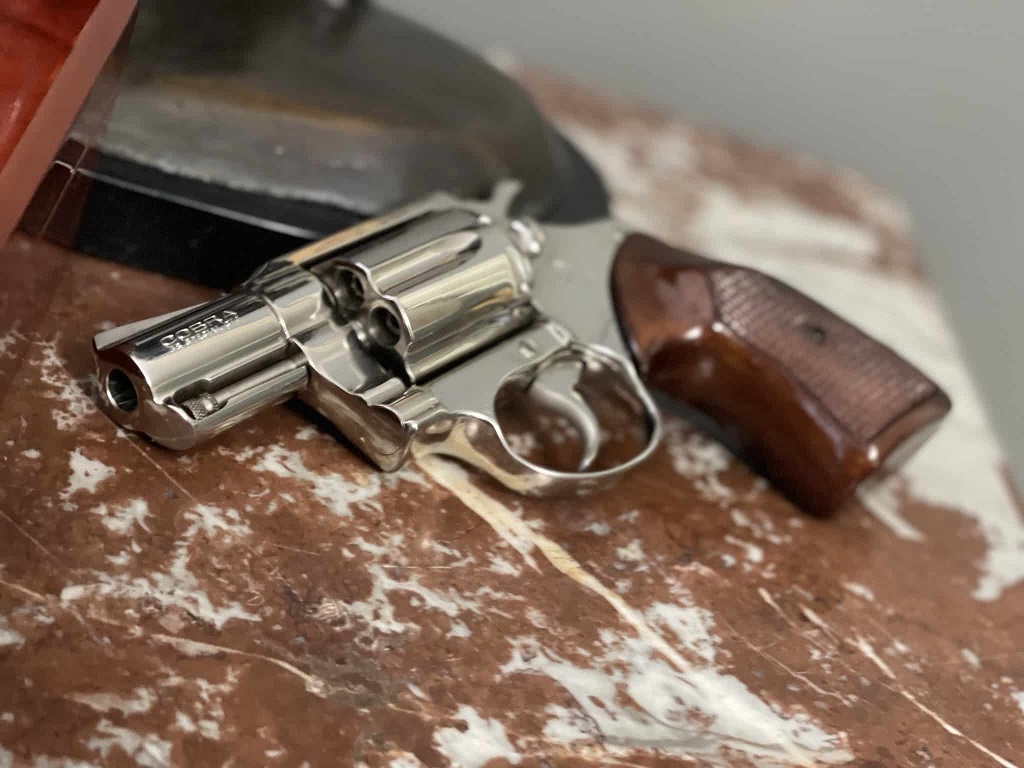
| Collector Question | Why It Matters |
|---|---|
| Is the finish original? | Refinishing can change value dramatically. |
| Are the grips correct? | Grip material, fit, medallions, and wear should match the period. |
| Can provenance be documented? | Factory letters, sales records, and credible ownership history matter. |
| Is the model variation understood? | Small mechanical or marking differences may identify a scarce configuration. |
Collector Takeaway
Samuel Colt remains important because his career sits at the intersection of invention and enterprise. He did not merely design a repeating pistol; he helped create a firearms brand that collectors still study by model, period, finish, and paperwork. When evaluating a Colt firearm, document the physical details first, then decide whether the story being told is supported by the evidence.
From My Bench
For collecting work, I keep a short list of reference books, humidity control, cleaning supplies, lighting, and bench gear that fit the way I document and maintain older firearms.
Browse My Gear ListAs an Amazon Associate I earn from qualifying purchases. I only link to products, books, tools, and accessories that fit the editorial purpose of Gun Collectors Club.

About Greg Cook
Greg Cook writes about firearms collecting, personal history, and the stories behind interesting guns. His Army MOS was 76Y, Unit Armorer, and he brings that practical background to his collector articles.