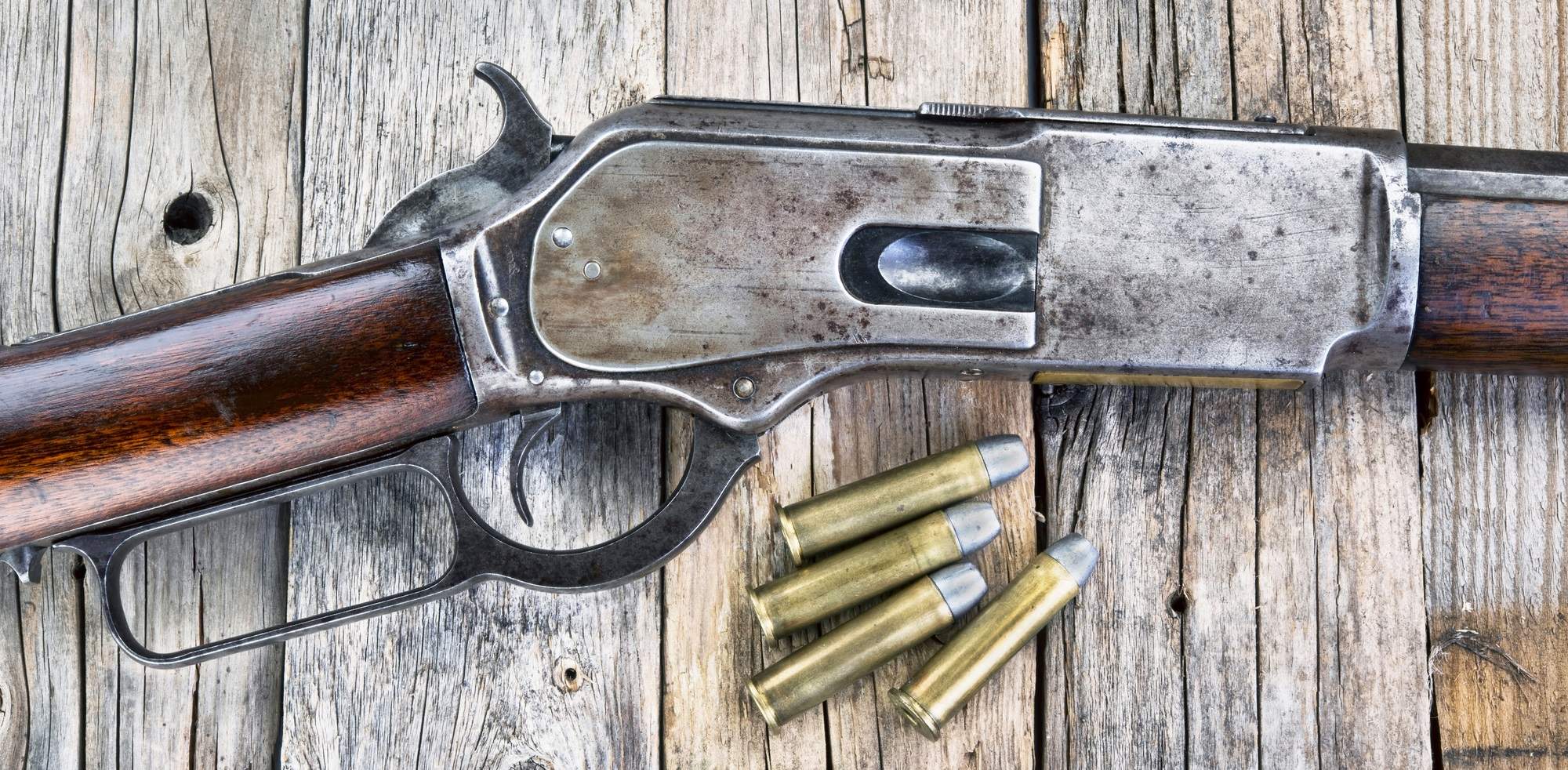
Few firearms feel more American than a lever-action rifle. Even people who know little about collecting immediately recognize the shape: the curved lever, the long magazine tube, the straight-grained stock, and the familiar profile of a rifle that belongs beside campfires, deer camps, saddle scabbards, western films, and old family stories.
For collectors, lever-action rifles are not just mechanical designs. They are part of the larger story of American industry, frontier mythology, hunting culture, and practical gunmaking. Winchester and Marlin became household names because their rifles were useful, rugged, fast-handling, and memorable. They also gave generations of shooters a firearm that felt personal in a way few modern rifles can duplicate.
A good lever-action rifle carries more than cartridges. It carries the memory of a particular kind of America.
This page looks at the history and appeal of lever-action rifles, with special attention to Winchester repeating rifles, Marlin lever guns, and the role of John Browning in shaping some of the most important designs in American firearms history.
Collector Perspective
Why Lever Actions Still Capture the American Imagination
Lever guns bridge the gap between utility and romance. They were working rifles, hunting rifles, lawman's rifles, ranch rifles, movie rifles, and collector rifles. A classic Winchester or Marlin can be admired as a mechanical object, but it also carries a cultural weight that reaches far beyond its receiver and barrel.
Winchester and the Rise of the Repeating Rifle
It can be argued convincingly that two of the most historic and distinctive families of lever-action firearms are the Winchester repeating rifles and the Marlin lever-action rifles. Winchester Repeating Arms became one of the dominant names in American firearms during the second half of the 19th century, and its early rifles helped popularize the idea that a shoulder arm could fire several shots before reloading.
One of the first famous Winchester models was the Model 1866, chambered for the .44 Henry rimfire cartridge. The 1866 was followed by the Winchester Model 1873, a rifle so closely associated with the American West that it became known to generations of collectors as one of the great frontier firearms. It was adapted for cartridges such as .44-40, .38-40, and .32-20, which also appeared in revolvers of the period. That common-ammunition concept made real practical sense for people who carried both a handgun and a rifle.
John Browning and the Winchester Legacy
Winchester did not stand still. The company continually revised and expanded its product line as cartridge technology, hunting demands, and shooting sports evolved. In 1876, Winchester introduced a larger-frame repeating rifle chambered for more powerful centerfire cartridges. The Model 1876 appeared during the United States centennial era and later became associated with hunters, outdoorsmen, and even law-enforcement use in North America.
John Browning's contribution to Winchester firearms cannot be overstated. Browning's designs helped push Winchester into a new generation of rifles, including single-shot and repeating arms that appealed to hunters, target shooters, and collectors. The Winchester 1885 Single Shot, based on a Browning design, became an important rifle for sporting and target use. The Winchester 1886 brought strength and power to the lever-action format, allowing the use of heavier black-powder cartridges.
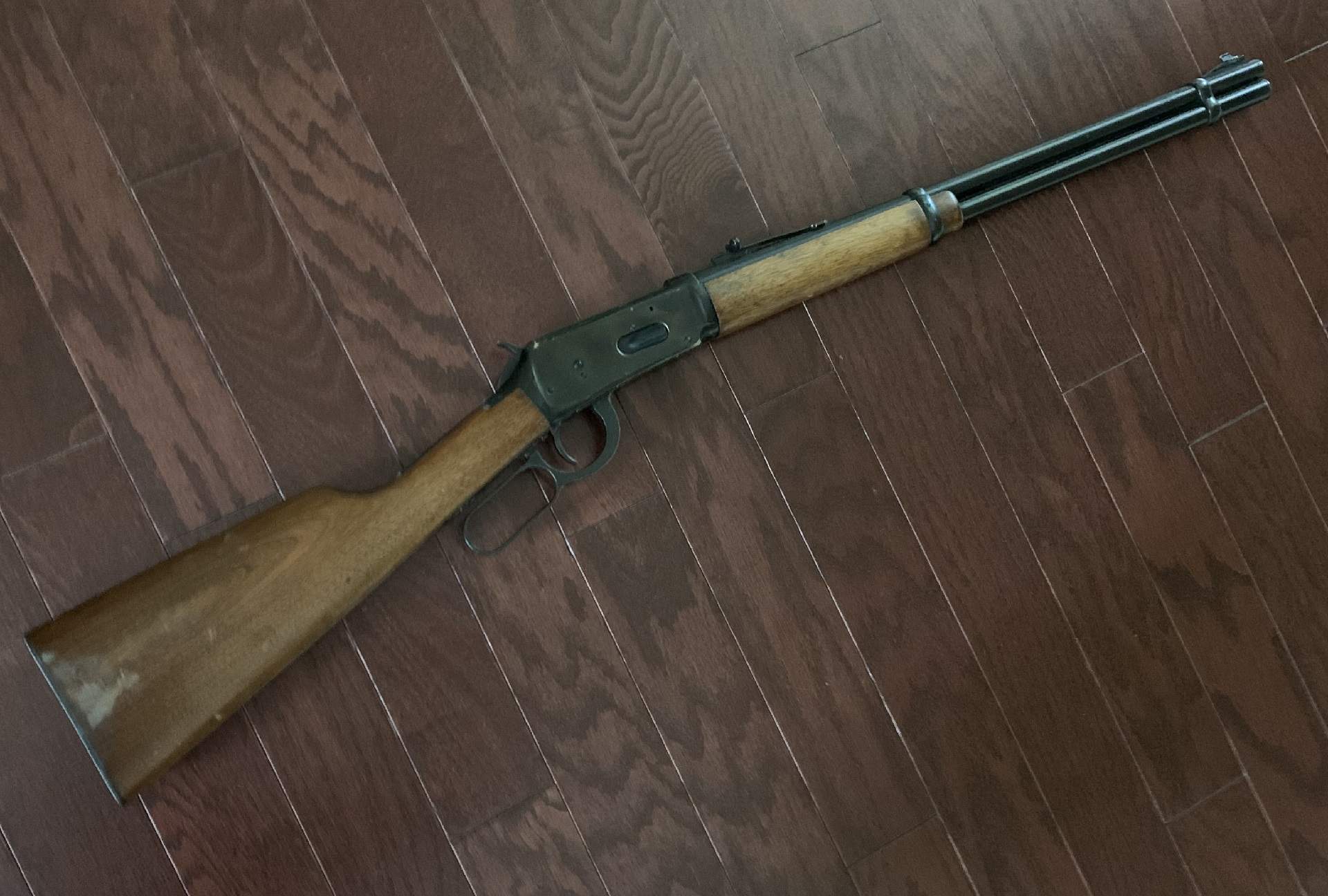
The Winchester 1892 and 1894 models remain especially important to collectors. The Model 1892 became famous as a trim, handy rifle chambered for revolver-class cartridges, while the Model 1894 became one of the most successful sporting rifles ever produced. Chambered most famously in .30-30 Winchester, the Model 1894 became a deer-camp standard and an enduring symbol of the American hunting rifle.
Marlin and the Other Great Lever-Gun Tradition
The Marlin 1894 also has a rich legacy in American firearms history. Produced under the Marlin Firearms Company name, the 1894 was offered in classic cartridges such as .25-20, .32-20, .38-40, and .44-40. Marlin had been building lever-action rifles before the 1894, including earlier designs that helped establish the company's reputation among hunters and working riflemen.
One reason collectors appreciate Marlin lever actions is that they represent a parallel tradition to Winchester rather than a mere imitation of it. Marlin rifles often have their own loyal following because of their solid-top receiver designs, side ejection, practical handling, and long association with hunting rifles. For many collectors, Winchester and Marlin are best understood together: two great American names following different mechanical paths toward the same goal — a rugged, repeatable, useful rifle.
Lever Actions in American Culture
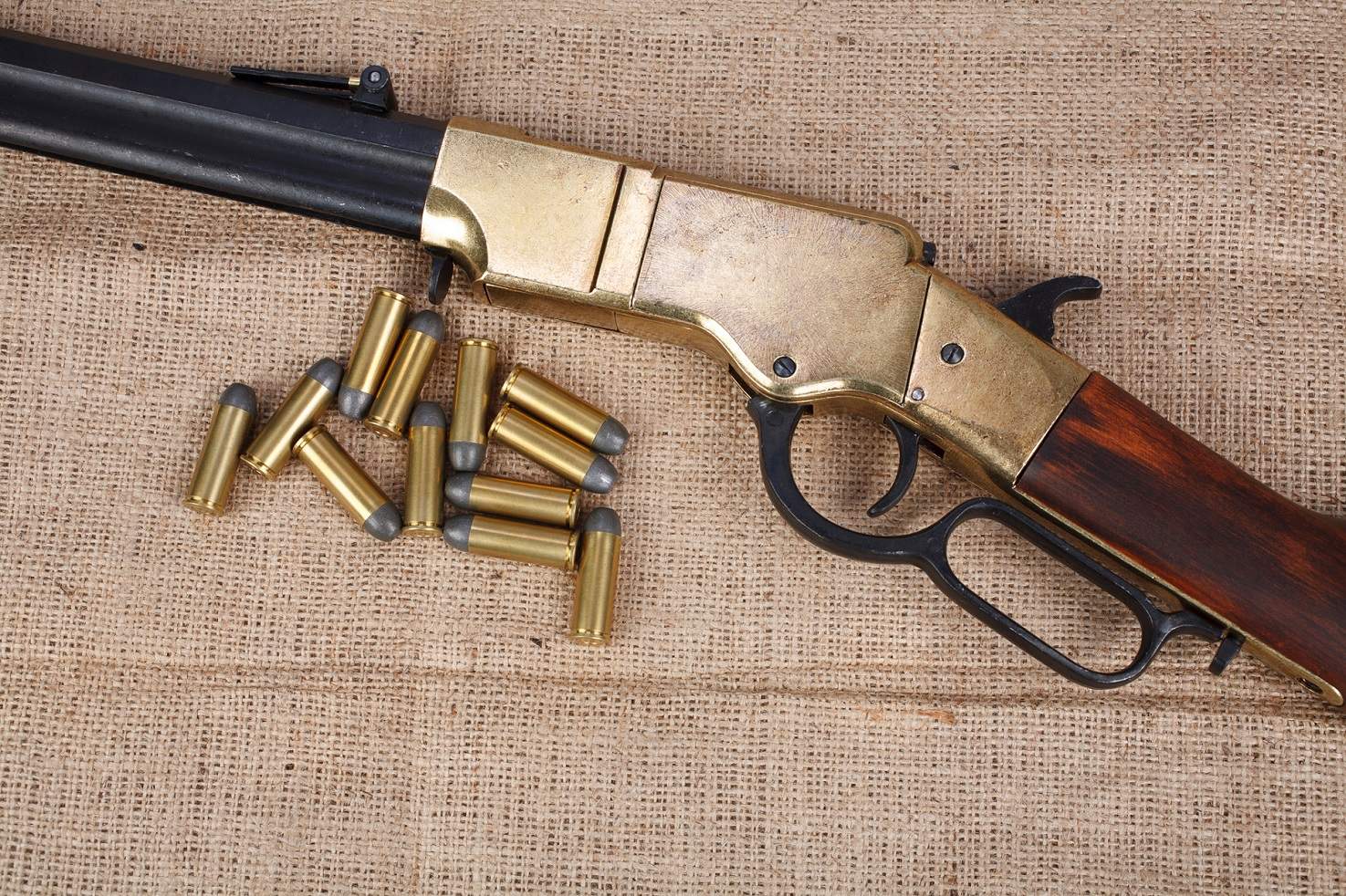
The name Winchester has long been part of American popular culture, due in part to western films, television, and the imagery of frontier life. Actors such as John Wayne helped cement the lever-action rifle in the public imagination. Whether the firearm shown on screen was historically perfect or not, the visual language was clear: a lever gun meant frontier independence, fast handling, and a connection to the old West.
Collectors often respond to that cultural memory even when their own interest is more technical. A lever-action rifle can be studied by model, caliber, production year, factory configuration, or serial range, but it can also be appreciated for the emotional response it creates. It is one of the few firearm types that can feel like a historical artifact, a hunting tool, and a piece of Americana at the same time.
Collector Factors That Matter
| Collector Factor | Why It Matters |
|---|---|
| Original finish | Original bluing, case color, and wood finish usually matter more than a gun that simply looks newer. |
| Caliber | Some chamberings are common and practical, while others are scarce and more desirable to advanced collectors. |
| Configuration | Barrel length, magazine length, stock style, sights, and special-order features can strongly affect interest. |
| Mechanical condition | A lever gun should be evaluated for bore condition, timing, lockup, feeding, and signs of hard use or alteration. |
| Documentation | Factory letters, provenance, family history, and period-correct accessories can add context and confidence. |
Why Lever Guns Still Matter
Lever-action rifles remain appealing because they are understandable. Their controls are visible. Their operation is mechanical and satisfying. Their balance makes sense in the hands. Modern firearms may be lighter, more modular, and more adaptable, but a classic lever gun delivers a kind of character that collectors immediately recognize.
That character is why lever actions continue to bring new people into firearms collecting. Some buyers begin with a family Winchester, a Marlin deer rifle, or a .30-30 they remember from childhood. Others come through western history, cowboy-action shooting, vintage hunting rifles, or a broader interest in American manufacturing. However they arrive, many discover that lever-action rifles are a natural doorway into the study of American firearms.
If you have an interest in old Winchesters, see Guide to Collecting Pre-64 Winchester Firearms .
Related Reading

About Greg Cook
Greg Cook writes about firearms collecting, personal history, and the stories behind interesting guns. His Army MOS was 76Y, Unit Armorer, and he brings that practical background to his collector articles.