Colt Model 1911 .45 ACP belongs in the collector conversation because it connects John Browning design, Colt manufacturing, period military use, commercial production, and the condition details that make an individual pistol more than a serial number.
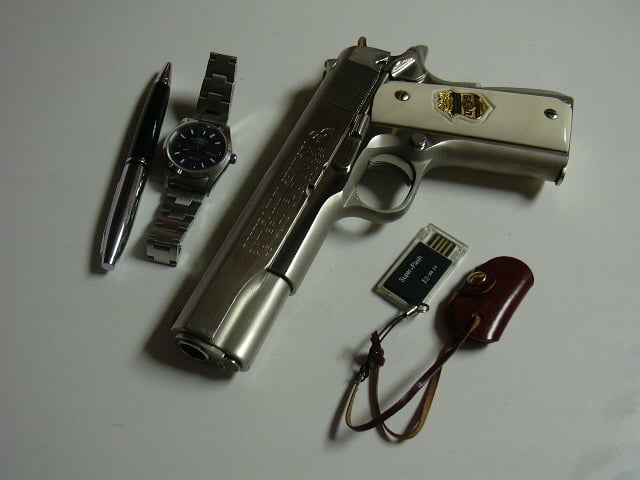
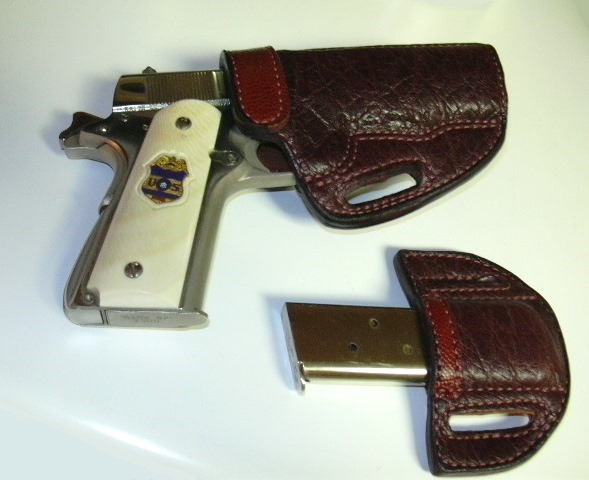
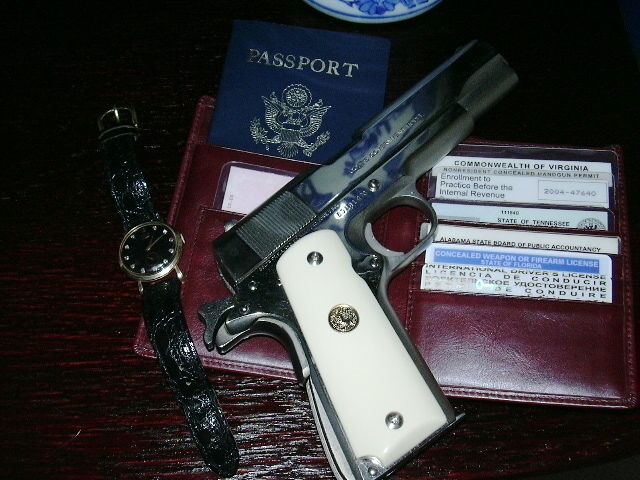
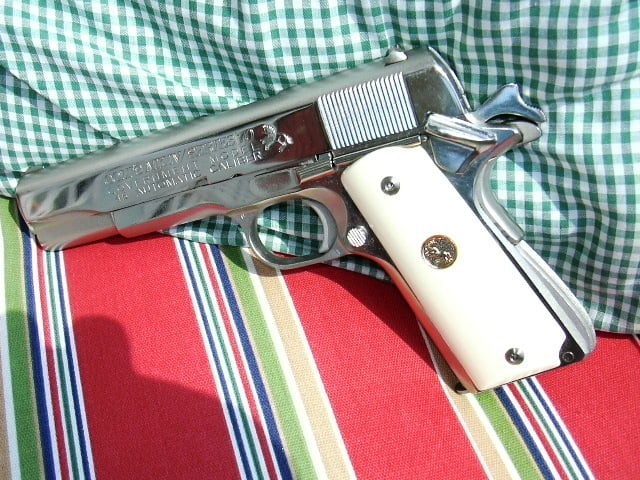
Why the 1911 Still Matters
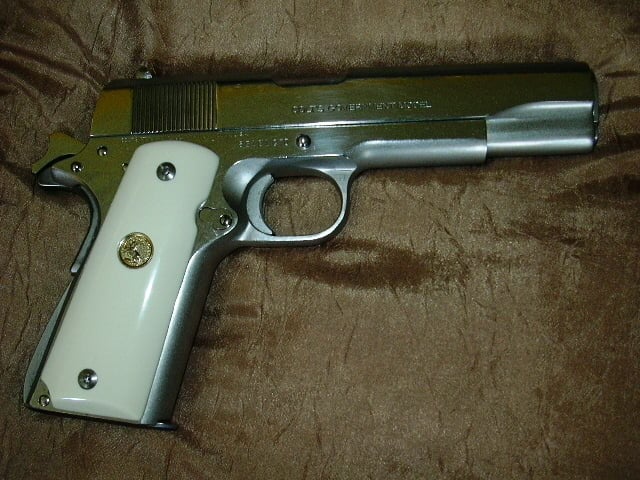
This John Browning patent gun, Model 1911, was so named for the year it was officially adopted for use by the United States Army. The Browning design was so strong that it has been changed little in more than 100 years of production. The gun shares the nickname “Colt .45” with Colt’s other famous .45 caliber handgun, the Single Action Army “Peacemaker” revolver, but the cartridge it fires is not the proper name of the handgun.
The 1911 is one of the most widely produced, copied, used, written about, and debated handguns in the world. Many shooters call the Colt Government Model 1911 “the world’s greatest handgun,” and even those who prefer more modern pistols usually acknowledge the influence of the design.
There is nothing I can say about these guns that has not already been said a thousand times, by a thousand others. The 1911 Colt is without a doubt one of the most copied and most modified handguns in the world.
Variants
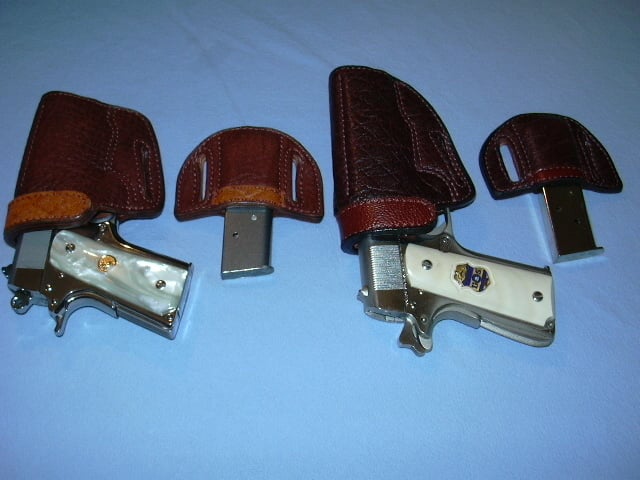
The 1911 collector field is large because the pistol became both a military sidearm and a commercial platform. Early U.S. military pistols, later M1911A1 examples, commercial Colt Government Models, National Match and Gold Cup target pistols, compact Officer’s ACP variations, and modern custom builds all belong to the larger 1911 family, but they should not be judged by one standard. A military pistol is usually evaluated for period-correct parts, arsenal markings, finish, and service history. A commercial Government Model is judged more by Colt rollmarks, original finish, box, papers, and configuration. A target or custom pistol may have value because of who built it, how it was configured, or how well it represents a specific era of 1911 development.
Newt Taylor's 1942 Colt M1911A1 National Match pistol brings these collecting interests together: a wartime military Colt, later arsenal work, individually fitted competition components, and a family history tied to Camp Perry.
That variety is what makes the 1911 so useful for a collector site. One page can introduce the platform, but each branch deserves its own closer look. Start with the Colt Government Model when comparing commercial full-size pistols, and use the M1911A1 Military page when the question involves military markings, wartime production, or service history.
Military Use
The 1911 earned its reputation through military service. Adopted by the U.S. Army in 1911, the pistol served through two world wars, Korea, Vietnam, and decades of American military use before the Beretta M9 replaced it as the standard service pistol. Collectors often separate early Model 1911 pistols from later M1911A1 pistols because the 1920s changes affected the trigger, grip safety, mainspring housing, sights, and frame relief cuts. Those changes may look modest, but they are major identification clues.
Military use also means many surviving pistols were rebuilt, refinished, reissued, or repaired. That history can be legitimate and interesting, but it must be described accurately. Arsenal rebuild marks, mixed parts, parkerized refinish, replacement barrels, and later magazines may reduce originality while still adding a documented service story.
Collector Notes
For collector purposes, the best 1911 evaluation begins with a simple question: does every major part agree with the claimed period? The slide, frame, barrel, sights, grips, thumb safety, grip safety, mainspring housing, magazine, and finish should be compared against the production era. Sharp rollmarks, honest edge wear, correct small parts, and an unaltered frame usually matter more than shine. A refinished pistol can still be attractive, but it should be valued differently from an original-finish example.
Documentation matters as well. Factory letters, military paperwork, bring-back stories supported by records, matching boxes, and period accessories can help explain why one 1911 is merely a shooter while another deserves collector-grade treatment. When in doubt, photograph the markings carefully and compare them across the broader 1911 Series.
Government Model and Series 70 Context
The Government Model is the commercial branch of the 1911 story, and it gives collectors a bridge between military history and civilian ownership. Colt introduced the Series 70 Government Model as a newer commercial version of the 1911A1 pattern. The best-known Series 70 feature is the collet-style barrel bushing system used during that production period, along with the look and feel that many collectors associate with pre-Series 80 Colt pistols.
From a collector standpoint, the key is not merely whether a pistol is a “Series 70” or “Series 80.” The more important question is whether the pistol’s configuration, finish, markings, grips, sights, magazine, box, papers, and condition all tell the same story. Small details can change the way a 1911 is understood, priced, and preserved.
Identification Details Collectors Should Notice
- Slide markings: Look for clean, correct rollmarks and compare style, placement, and wear to the claimed production period.
- Frame serial number: Use the serial-number range as a starting point, then compare the rest of the pistol to that date range.
- Finish and polish: Original finish usually has a different look from later refinishing, especially around edges, lettering, and flats.
- Grips and small parts: Grip panels, safeties, triggers, hammers, and sights often reveal whether a pistol has been altered.
- Magazine and accessories: Period-correct magazines, boxes, papers, and holsters can add important collector context.
Whether collecting military pistols, commercial Colts, or modern custom 1911s, proper storage and maintenance help preserve long-term collector value. Visit our Collector Preservation Guides for practical recommendations on protecting firearms from wear, corrosion, and improper storage conditions.
Collectors evaluating a 1911 for purchase should also review our Guide to Valuing a Gun Collection, which explains the factors that influence firearm desirability and market value.
Collector takeaway: Treat the 1911 as a platform and a timeline. The model name tells you where to start, but originality, condition, and period-correct details determine the real collector story.
Continue Through the 1911 Series
The Government Model is only one part of Colt's history. Collectors researching other Colt firearms can use the Colt Government Model 1911 serial-number tables by model and year for year-by-year serial number references covering the Python, Woodsman, Match Target, Detective Special, Cobra, and 1903 Pocket Hammerless.
The platform’s competition branch is best represented by the Colt Gold Cup target 1911, where Colt refined the Government Model pattern for precision shooting and collector appeal.

About Greg Cook
Greg Cook writes about firearms collecting, personal history, and the stories behind interesting guns. His Army MOS was 76Y, Unit Armorer, and he brings that practical background to his collector articles.