The Colt Python is one of the few revolvers that can pull shooters, collectors, historians, and investors into the same conversation. Some guns are respected because they work. The Python is revered because it combines function, finish, reputation, and the unmistakable look of a full-underlug Colt snake gun.
To place this example within Colt’s wider numbering history, see the Python model and serial research in the Colt serial-number lookup tool.
This page is built as a Python hub. Use it as a starting point before digging into year-specific profiles, photo galleries, serial-number tables, reference books, and recent auction comps. The goal is not to replace a Colt Archive Letter or a hands-on inspection; the goal is to help you know what questions to ask before the money changes hands.
Python Photo Study
The photos below come from the Gun Collectors Club Python photo gallery and are useful for studying finish, stocks, barrel profile, cylinder details, and the way a nickel-plated example photographs under real indoor light.
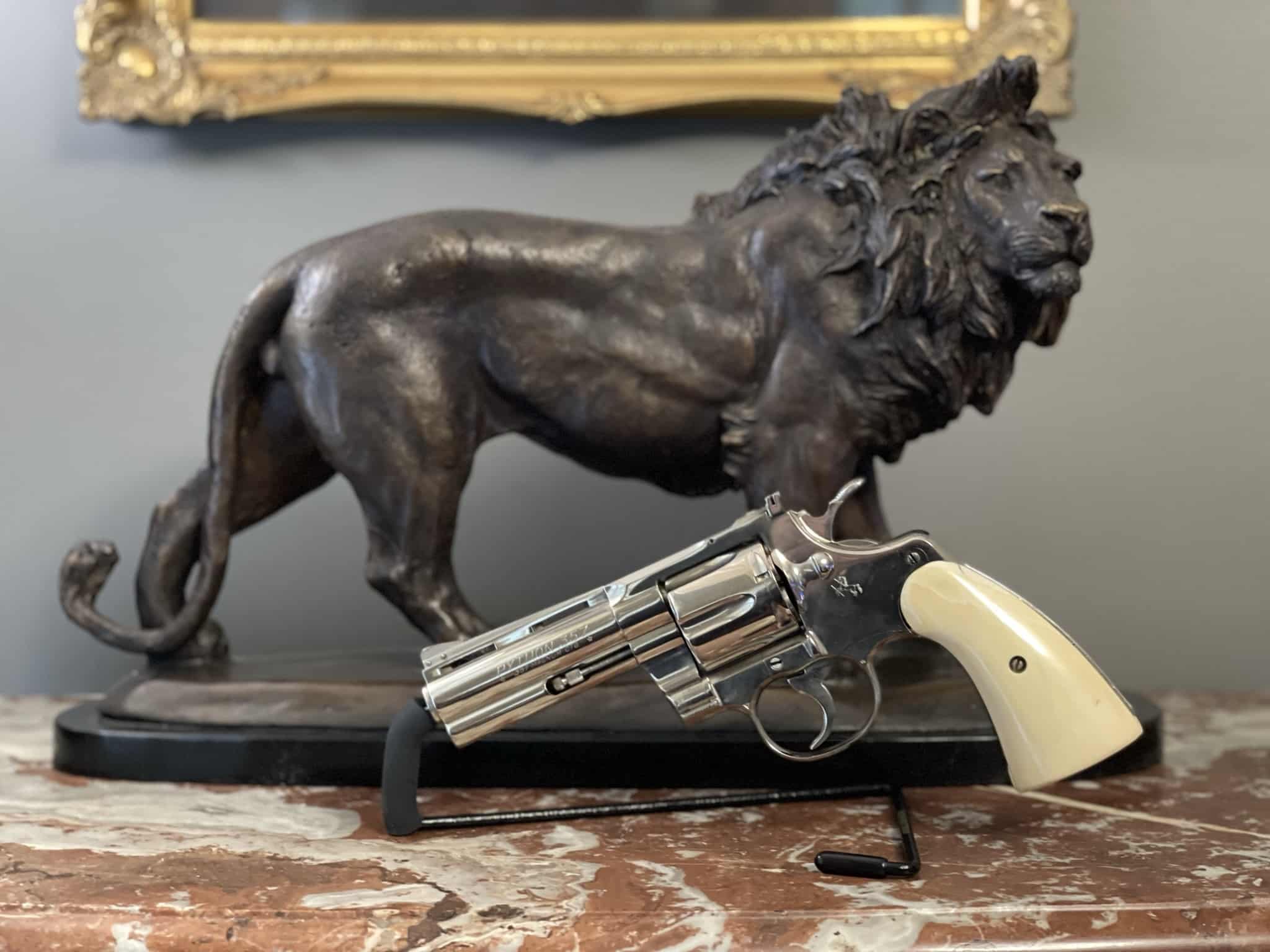
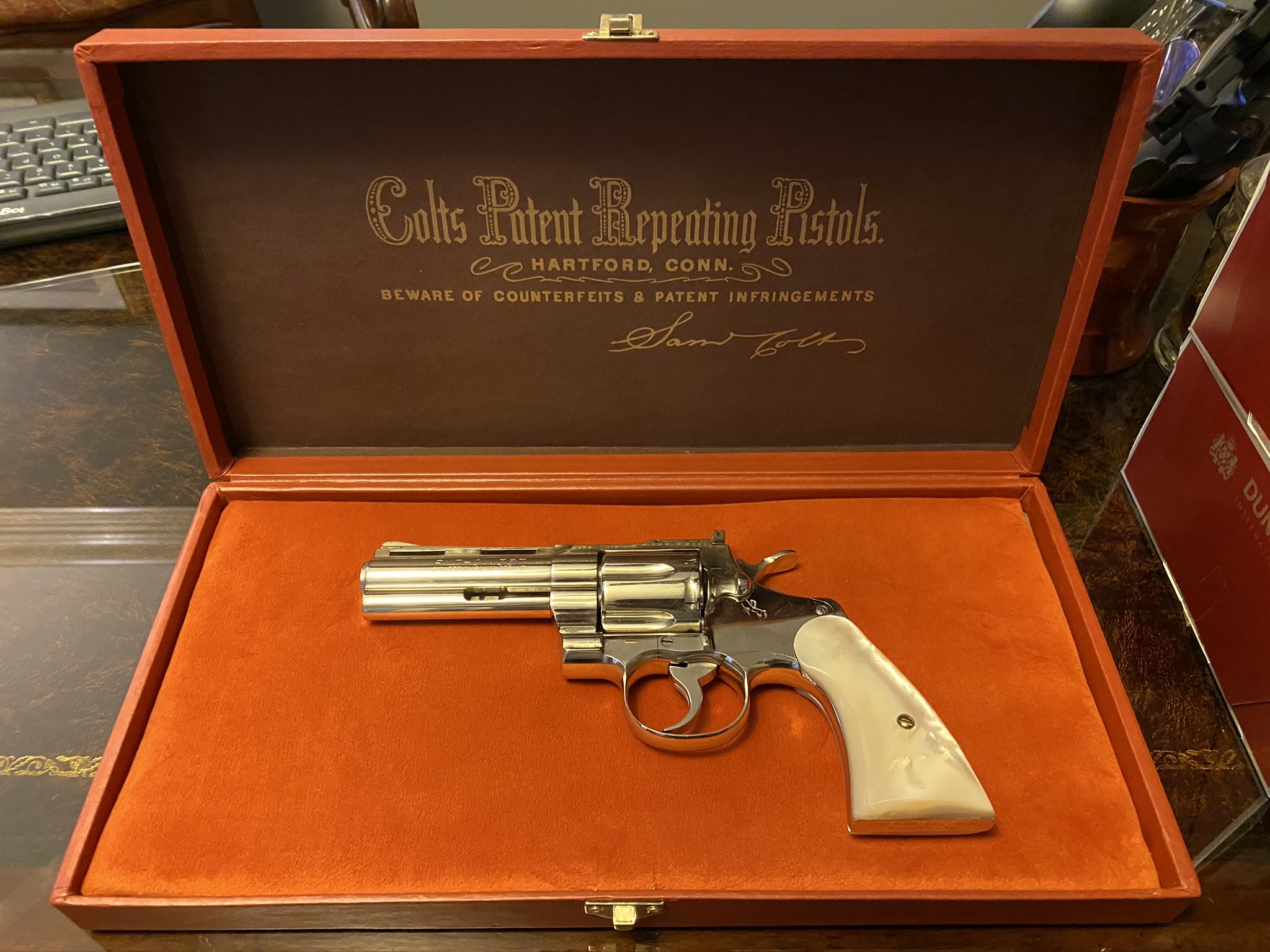
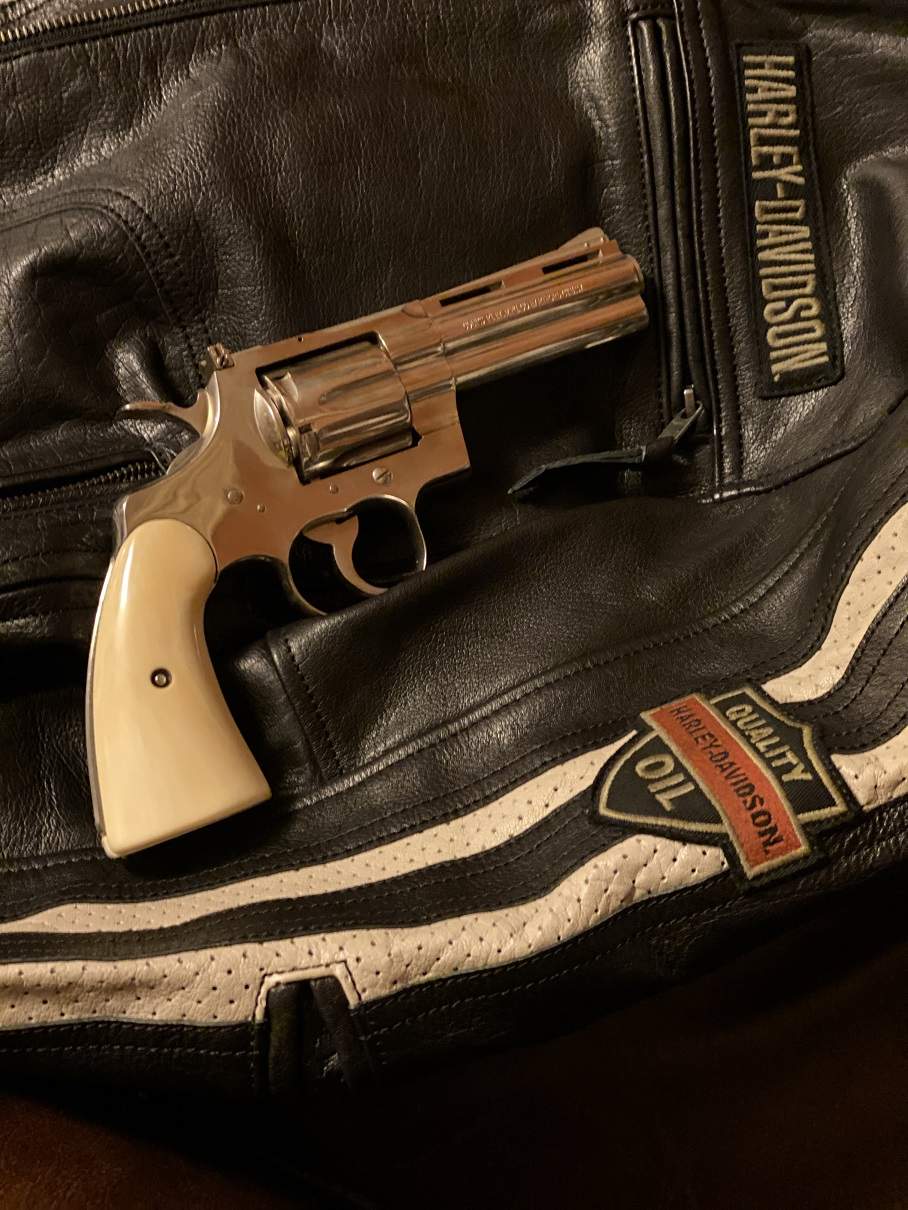
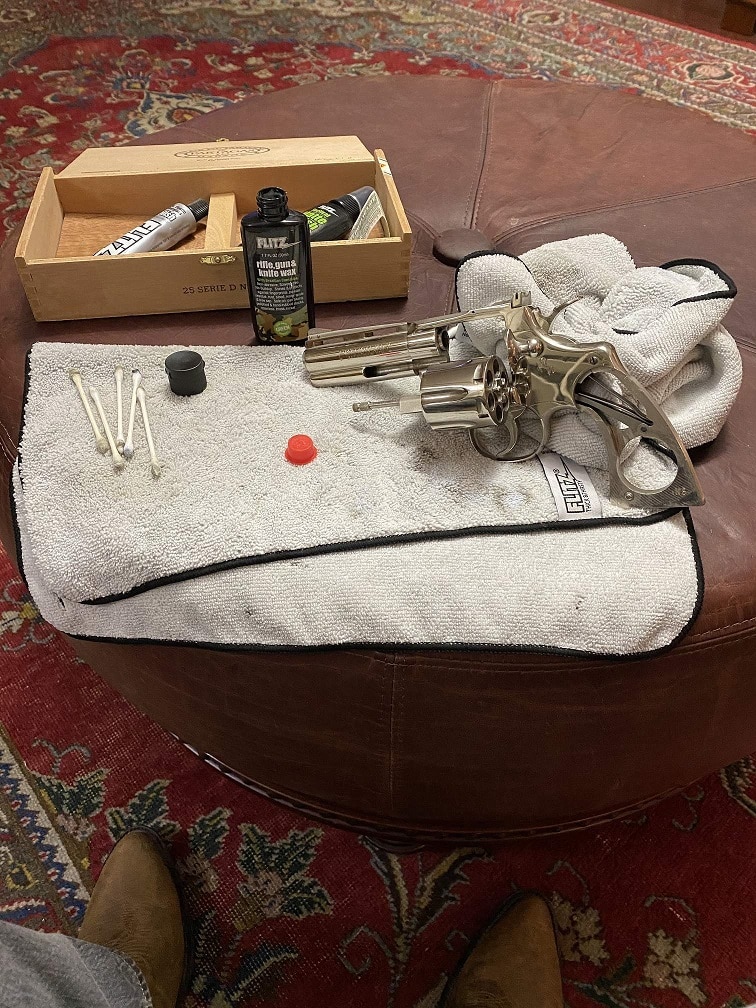
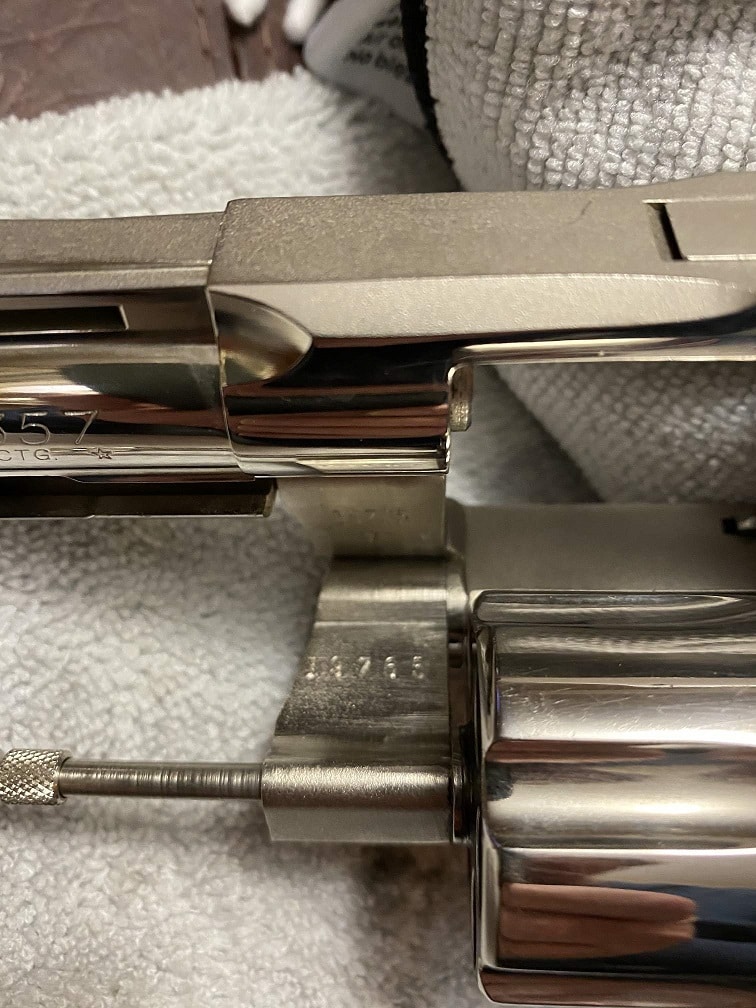
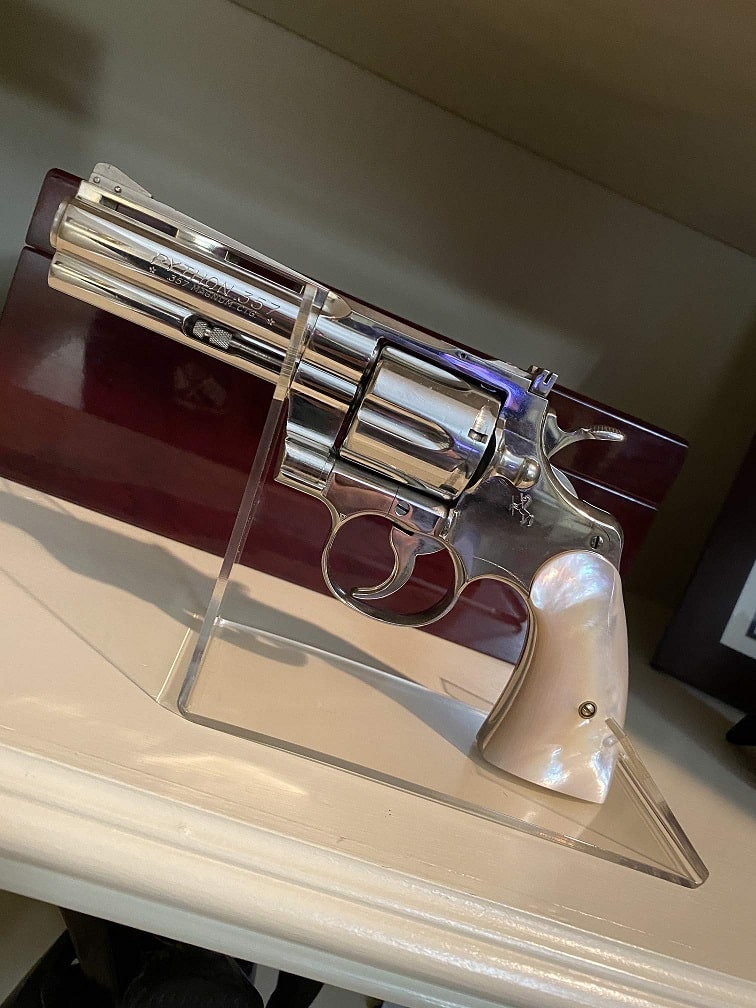
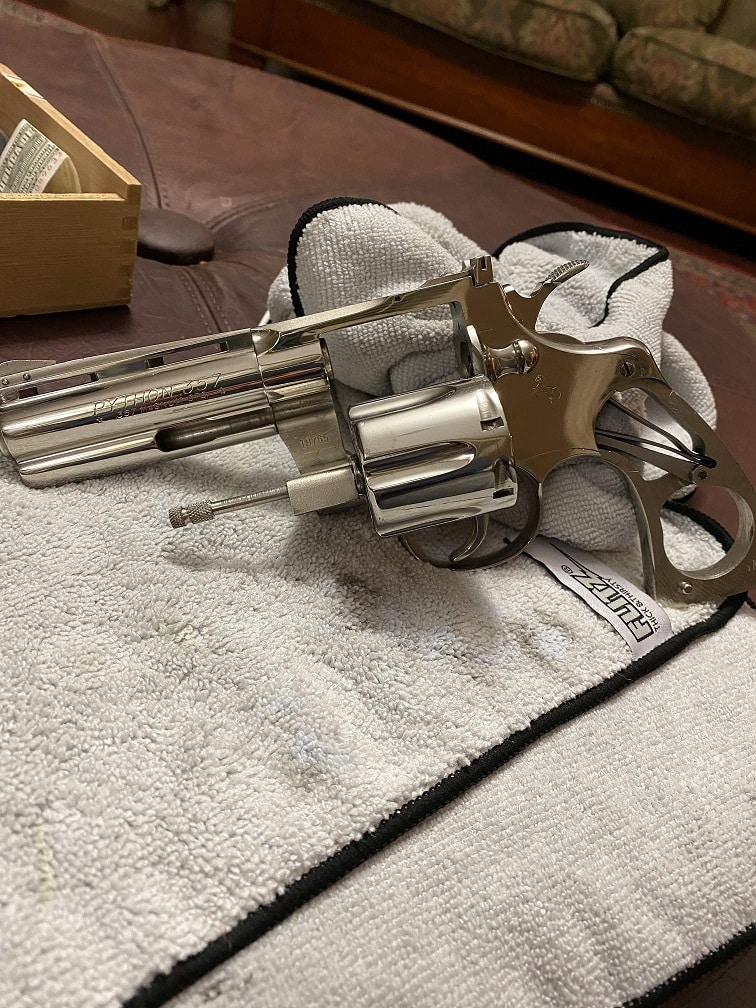
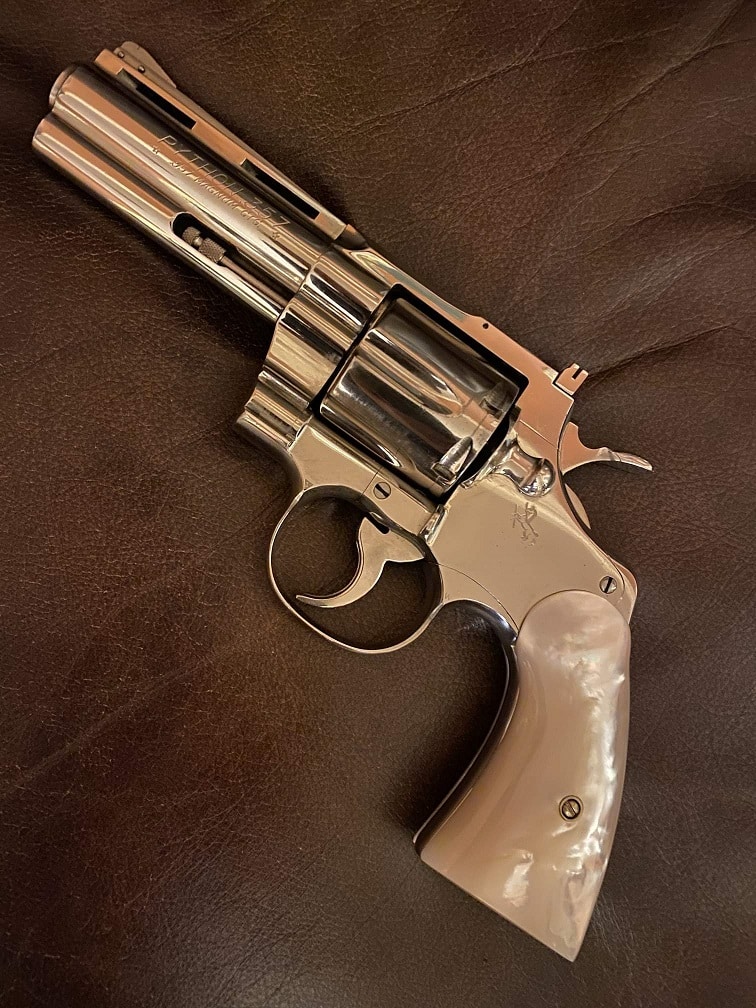
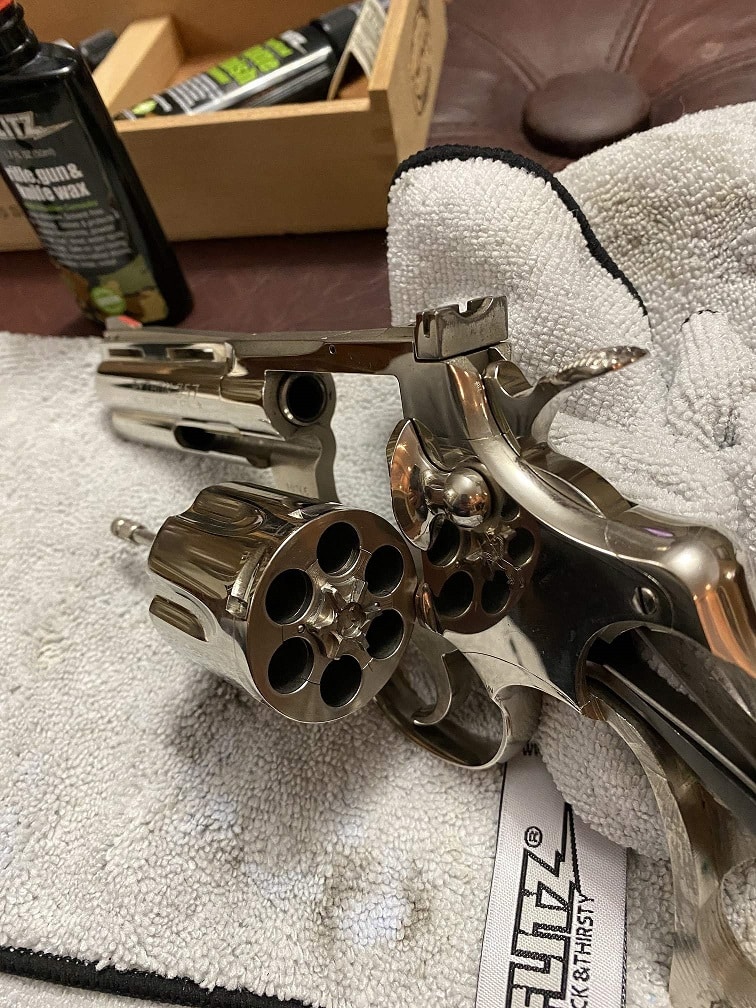
Open any image for the full-size version, or visit the Colt Python Photo Gallery for the original gallery page.
Collector Takeaway
Why the Python Stands Out
The Python endures because it is more than a pretty revolver. The ribbed barrel, full-length underlug, hand-fitted reputation, bright Royal Blue, nickel examples, short-barrel scarcity, and later stainless variations all give collectors something concrete to study. Every configuration tells a slightly different story.
Origins: The Flagship Colt .357 Magnum
Colt introduced the Python as a premium .357 Magnum revolver during the 1950s, and the design quickly became associated with tight lock-up, an exceptionally smooth action, adjustable sights, a ventilated rib, and a full-length underlug. In collector language, that means the Python is judged as much by fit and finish as by mechanical condition.
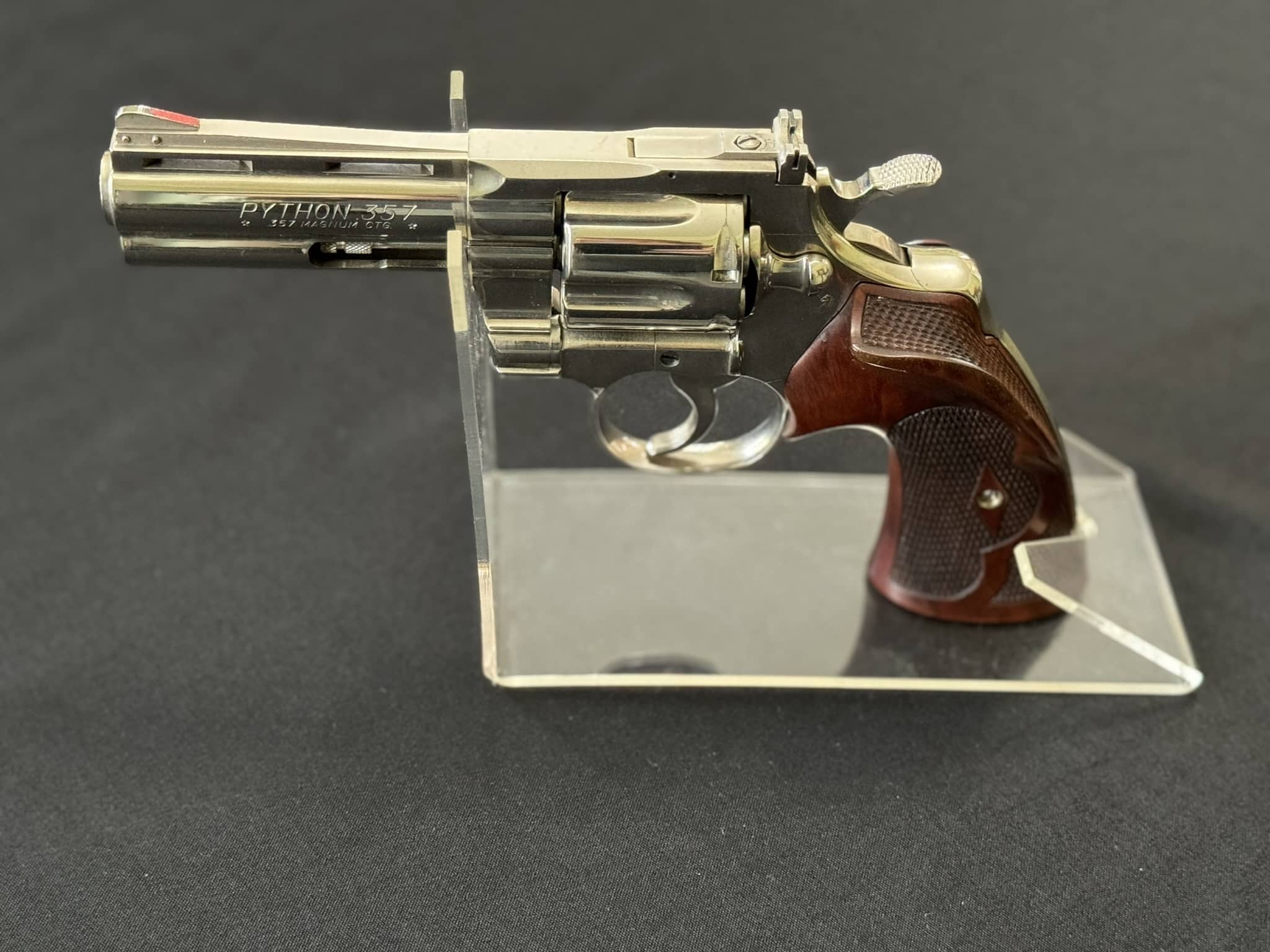
Early Pythons are especially appealing because they represent a level of hand work that is difficult to reproduce in a modern production environment. A low-serial-number gun, a clean original finish, correct stocks, and factory documentation can turn a nice revolver into a serious collector piece.
Production Timeline
Key Python Variants and Finishes
Python collecting is deep because small differences matter. Barrel length, finish, stocks, sights, box label, and paperwork all influence how a particular revolver should be understood.
Royal Blue
The most famous Python finish. Strong examples show a deep, mirror-like polish without rounded markings, washed-out edges, or inconsistent wear.
Nickel
Less common than blue and visually striking when original. Check for peeling, flaking, edge wear, and any signs that the finish was applied after the gun left Colt.
Stainless
Later vintage stainless guns and current-production stainless Pythons are different collecting conversations. Stainless can be practical, durable, and easier to maintain, but originality still matters.
Short Barrels
Vintage 2.5-inch and 3-inch guns can bring a premium when original. Verify barrel length, markings, sight details, serial range, stocks, and documentation before paying short-barrel money.
Python Hunter
Hunter packages are about completeness. Scope, case, inserts, paperwork, and accessories can matter as much as the revolver itself.
Python Elite / Custom Shop
Late-production and Custom Shop examples deserve careful documentation. A good letter, correct packaging, and condition can help separate a special gun from a merely nice gun.
Vintage Python vs. Modern Python
The modern Python is a legitimate Colt product, but it should not be evaluated the same way as a 1950s, 1960s, or 1970s example. The new gun gives shooters and collectors a current-production revolver with the Python outline. A vintage Python carries the older hand-fitted reputation, era-specific finish, and collector scarcity.
| Point of Comparison | Vintage Python | Modern Python |
|---|---|---|
| Collector appeal | Driven by originality, era, finish, barrel length, box, papers, and provenance. | Driven by current availability, configuration, finish, and shootable modern construction. |
| Finish conversation | Royal Blue, nickel, stainless, and special finishes need close inspection for originality. | Current factory finishes and variants are easier to document through modern product records. |
| Best buyer mindset | Buy the best original example you can document and responsibly afford. | Buy the configuration you will enjoy owning, shooting, or using as a modern companion to vintage examples. |
| Risk points | Refinish, incorrect stocks, changed barrel, timing issues, and missing documentation. | Retail price swings, model availability, and confusing it with the first-generation collecting market. |
Serial-Number Research
Serial numbers are a starting point, not the finish line. A serial table can place a Python into a production window, but it does not prove finish, barrel length, stocks, special order features, or shipping destination by itself. For higher-value examples, factory records and supporting paperwork become part of the gun.
How to Evaluate a Colt Python
When I look at a Python, I start with the same questions every time. The order matters because a gun can be beautiful and still be wrong for a serious collector.
| Area | What to Check | Why It Matters |
|---|---|---|
| Finish | Original Royal Blue, nickel, stainless, or later finish; look for buffed rollmarks, rounded edges, mismatched parts, flaking, or cold-blue touchups. | Finish originality is often the largest value factor. |
| Action and timing | Have the revolver inspected for lock-up, timing, endshake, cylinder gap, and safe mechanical condition. | A premium revolver should be mechanically sound, not just visually attractive. |
| Barrel and rib | Check barrel length, rib, underlug, crown, front sight, and rollmark style against the claimed configuration. | Changed barrels can dramatically alter value. |
| Stocks | Confirm era-correct stocks, medallions, checkering, fit, and condition. | Original stocks are part of the gun’s collector identity. |
| Box and papers | Look for matching box label, manual, test target, tools, receipts, and Colt Archive documentation. | Documentation can add confidence and value, especially on rare configurations. |
| Story | Document where the gun came from, how long it was owned, and whether the story matches the physical evidence. | Good provenance helps future collectors trust the gun. |
Value Factors and Market Notes
Python values are not one market. A current-production stainless gun, a common vintage shooter, a boxed 2.5-inch Royal Blue revolver, a first-year example, and a complete Hunter package are all different conversations.
Use recent sold prices, not hopeful asking prices. Auction results, closed online sales, and dealer listings can all be useful, but only when you compare like to like: barrel length, finish, originality, condition, box, paperwork, and special features.
| Category | Collector Guidance |
|---|---|
| Modern production | Track current Colt variants and real retail pricing. Modern examples can be excellent shooters, but they are easier to replace than scarce vintage configurations. |
| Common vintage 4-inch and 6-inch guns | Condition and originality separate average guns from investment-grade examples. |
| 2.5-inch and 3-inch vintage guns | Premiums depend heavily on factory originality, barrel correctness, finish, box label, and documentation. |
| Nickel and Royal Blue | Originality is everything. A refinished gun may be attractive, but it should be priced and described honestly. |
| Special editions and complete sets | Accessories, case, documents, and untouched condition can dominate the value discussion. |
Common Python Collector Mistakes
- Assuming glossy means original. A refinished Python can look spectacular in photos.
- Overpaying for a short barrel without checking whether it left Colt that way.
- Treating a serial-number table as proof of configuration.
- Ignoring stocks, box labels, and small parts because the finish looks good.
- Comparing modern retail prices to vintage auction results without separating the markets.
- Buying a rare story without the documentation to support it.
Care and Preservation
Condition is value, so preservation matters. Avoid harsh automotive cleaners, abrasive polishing, and casual experimentation on nickel or Royal Blue finishes. For a high-value Python, less is often more: clean fingerprints, control humidity, document the gun, and leave questionable work to a qualified professional.
Buy the best original example you can document, then preserve the evidence that came with it. Future collectors will care about the gun, but they will also care about the paper trail.
Colt Python FAQs
Is the modern Python a real Python?
Yes, it is a current Colt Python, but it is not the same collector object as a vintage first-generation gun. Treat the modern revolver as a current-production continuation with modern engineering.
What is the best barrel length to collect?
The best one is the best original example you can document. That said, vintage short-barrel examples—especially 2.5-inch and 3-inch guns—often get special attention when the configuration is correct.
Does a Colt Archive Letter matter?
For rare, expensive, or questionable examples, yes. A factory letter can help verify shipment details and configuration, which is especially important when finish, barrel length, or special-order features drive the asking price.
Related Python and Revolver Pages

About Greg Cook
Greg Cook writes about firearms collecting, personal history, and the stories behind interesting guns. His Army MOS was 76Y, Unit Armorer, and he brings that practical background to his collector articles.
Collector Reference Books
Good books, archive letters, and careful notes are the backbone of serious gun collecting.