
Why the Model 1100 Still Matters
The Model 1100 is one chapter in a much larger American manufacturing story. For the company timeline, other important Remington rifles, shotguns and handguns, and model-identification guidance, see the complete Remington firearms history.
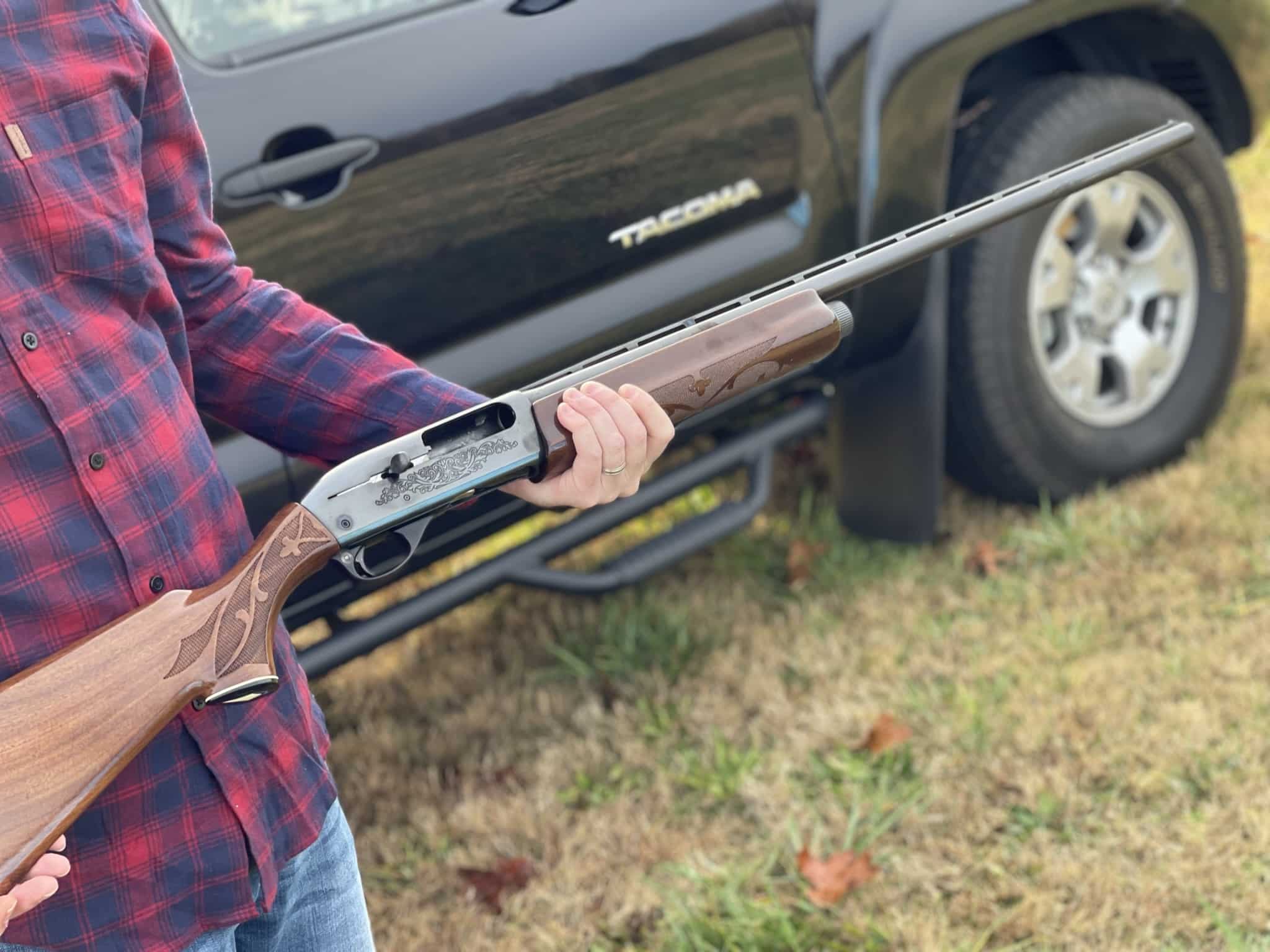
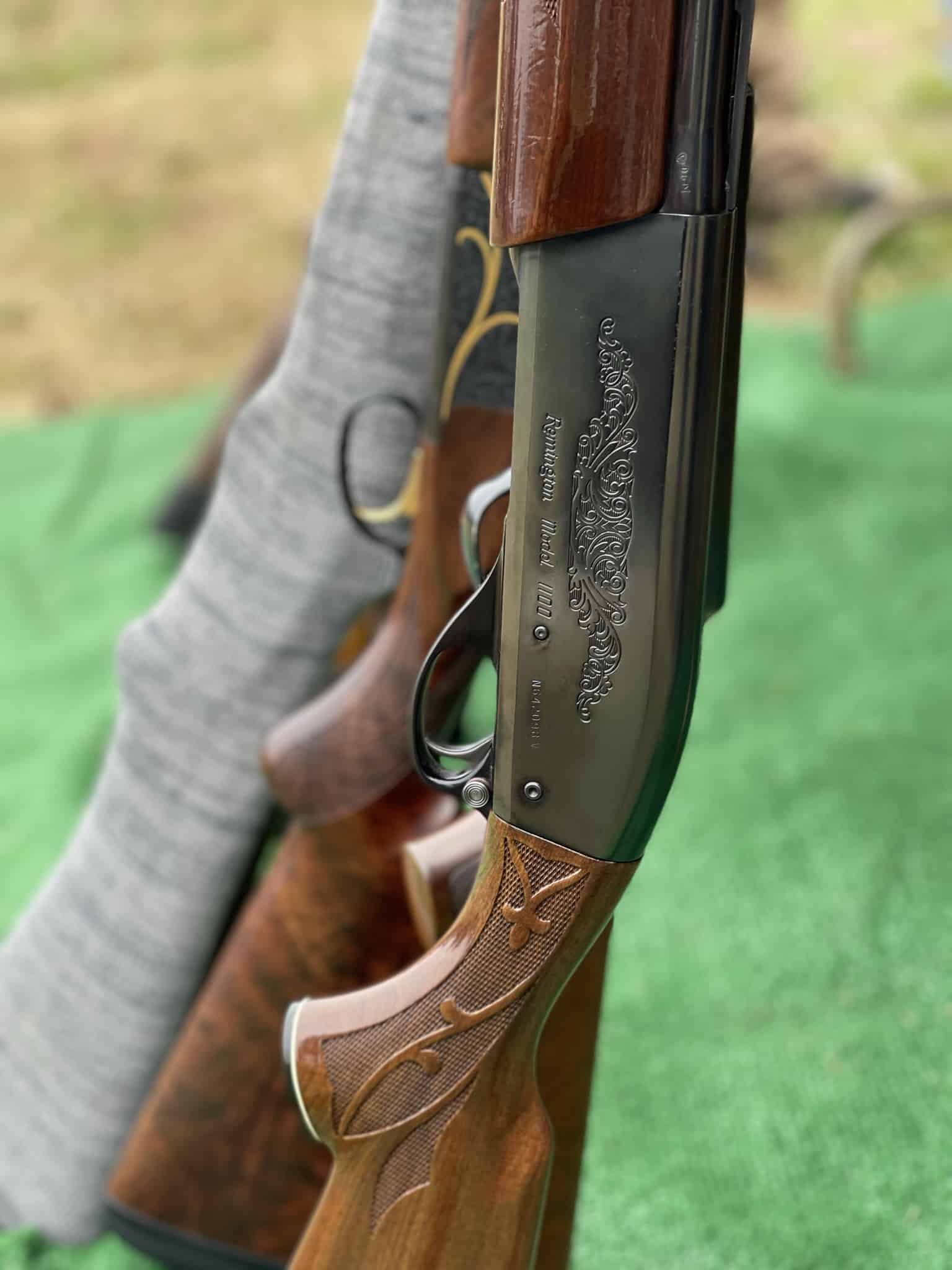
The Remington Model 1100 belongs in the first rank of American autoloading shotguns because it brought soft-recoiling gas operation, modern styling, and broad sporting usefulness into one handsome package. It was not just a catalog entry; it became the kind of shotgun families kept using for decades.
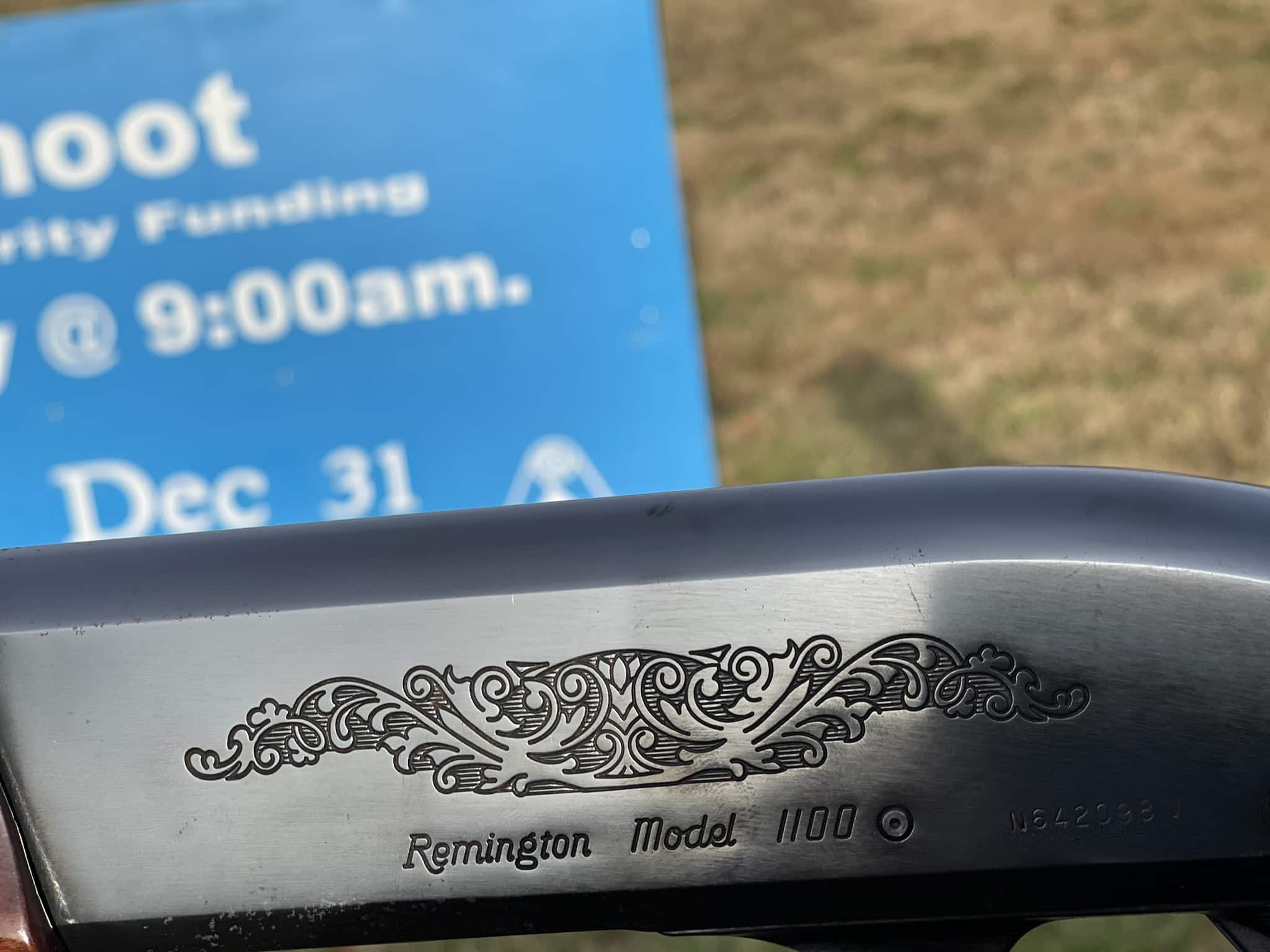
Remington introduced the Model 1100 in 1963 as a gas-operated autoloading shotgun. The official Remington history lists Wayne Leek as designer and identifies the first chambering as 12 gauge, with 20 and 16 gauge added in 1964 and 28 gauge and .410 bore following in 1969.
That timeline matters to collectors. Early 12-gauge guns, later small-bore versions, trap and skeet grades, commemoratives, left-hand models, youth models, and sporting clays versions all tell slightly different chapters of the same story.
Free Remington 1100 Serial Number Lookup Tool
Have a Remington Model 1100? Enter your receiver serial number and barrel date code, and this free collector tool will identify everything it can about your shotgun—including the approximate production period, barrel manufacture date, gauge clues, configuration, and collector notes.
Open the Remington 1100 Lookup ToolFree to use. No registration required.
The 1100 is a shooter’s collectible: it has enough production history to research, enough variations to chase, and enough practical reliability that many owners still carry them to the range or field.
- Introduced1963
- DesignerWayne Leek, Remington Arms
- ActionGas-operated autoloading shotgun
- Collector lanesField, Trap, Skeet, Duck, Deer, Sporting, small-bore and commemorative models
From Browning Recoil Guns to Remington Gas Guns
To understand why the 1100 felt so modern in 1963, compare it with the older long-recoil autoloaders that preceded it. Remington had already built Browning-pattern recoil guns, and then moved through earlier gas-operated designs such as the Sportsman 58. The Model 1100 refined the idea into a sleeker, better-balanced sporting shotgun.
The Remington Society’s chronology describes the 1100 as the result of a three-year development program. The initial 1963 lineup was not limited to one plain field gun; it included field, magnum duck, skeet, trap, Tournament Grade, and Premier Grade variations. That tells us Remington intended the 1100 to cover hunting, target, and high-grade collector markets from the beginning.
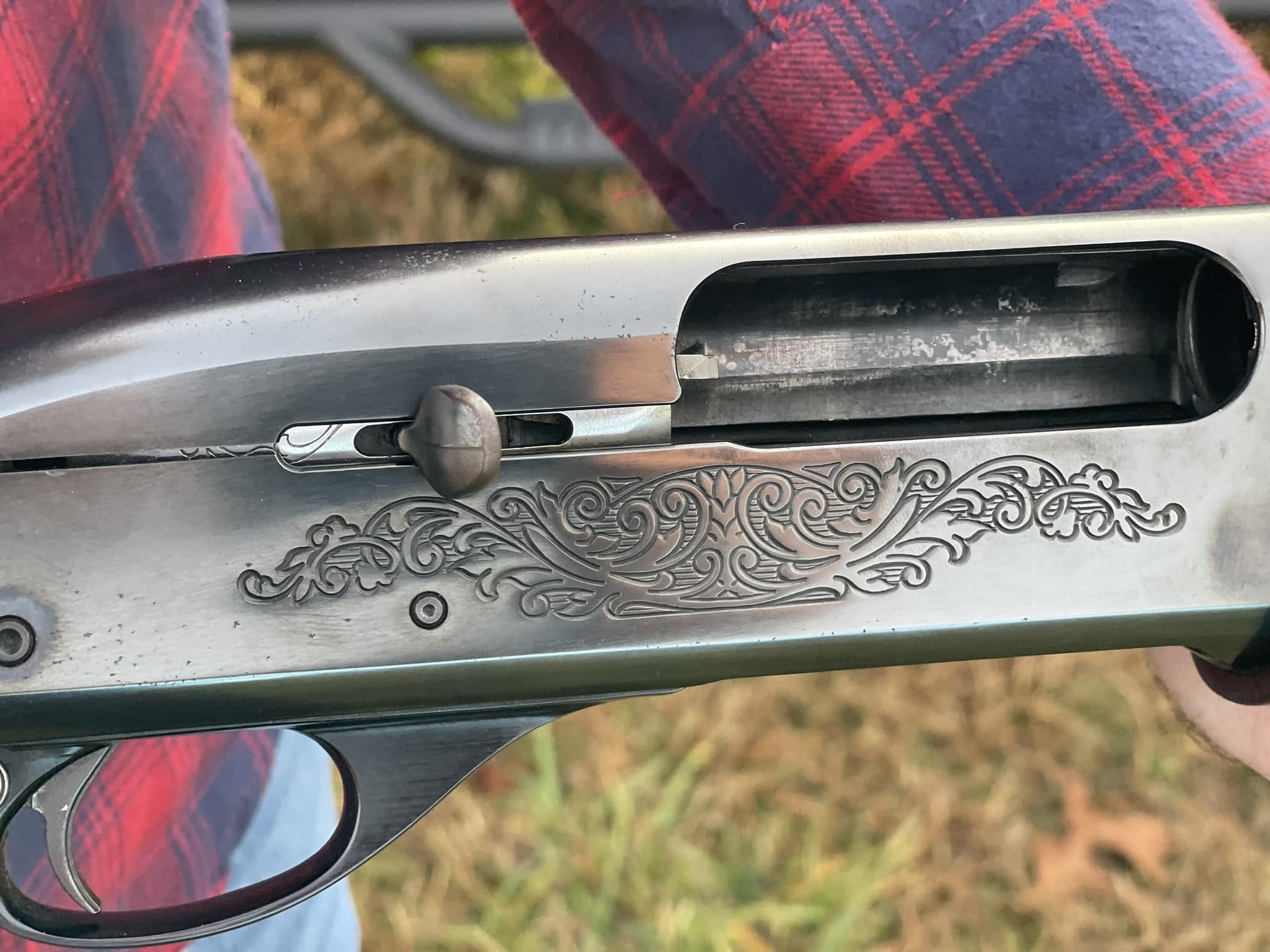
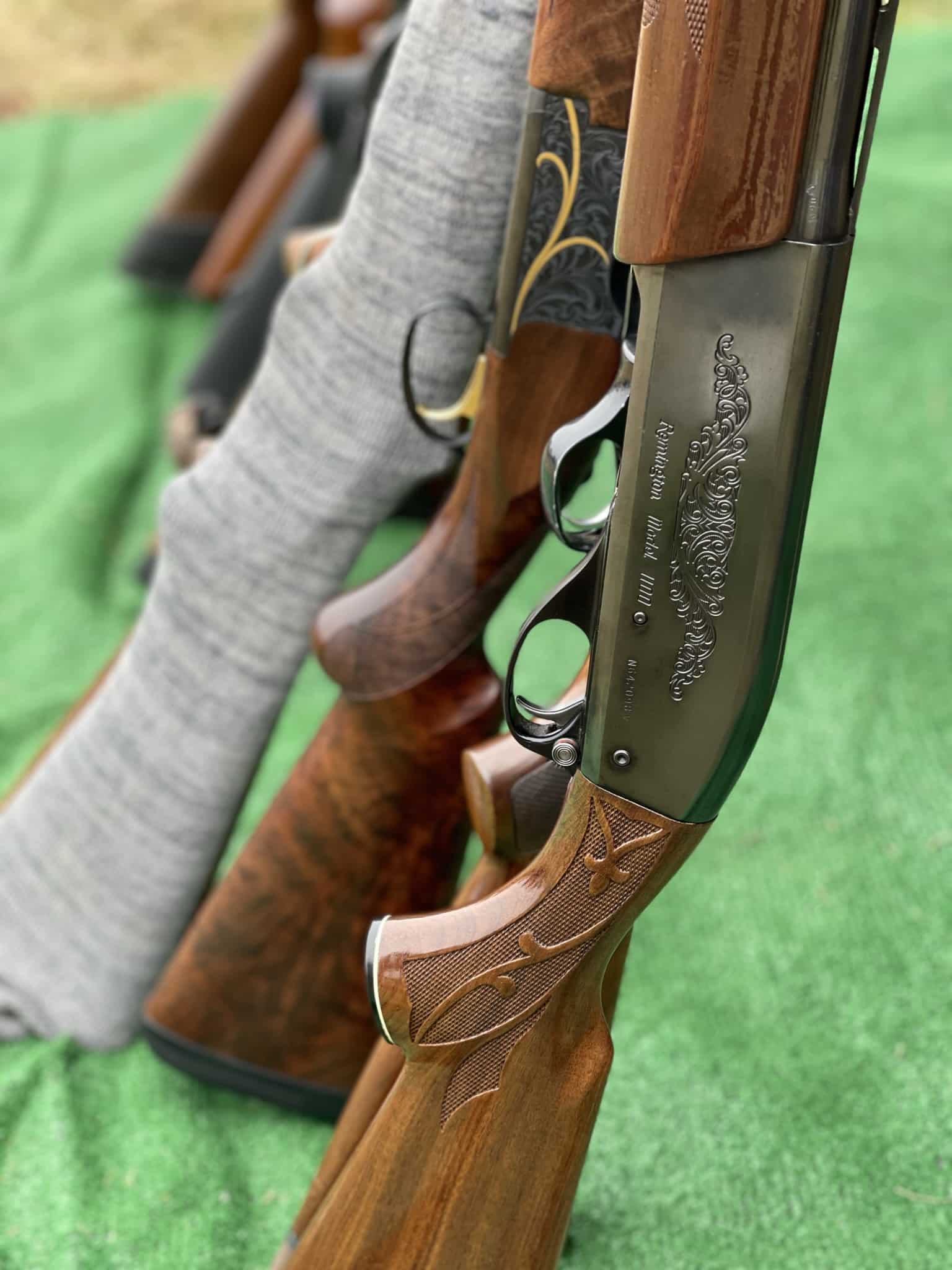
For a collector, those early catalog choices are useful clues. Barrel, choke, rib, grade, wood, receiver decoration, and original paperwork can shift an 1100 from a common shooter into a more interesting research piece.
Gas Operation and Soft Recoil
The original article emphasized the 1100’s gas system, and that is exactly where many owners begin their praise. Gas operation spreads recoil impulse differently than a fixed-breech gun, which is one reason the Model 1100 became so popular with trap, skeet, and high-volume recreational shooters.
Remington’s own current Model 1100 language still leans on balance, durability, handling, and soft recoil from the gas-operated action. The practical takeaway is not that the shotgun can be neglected; it is that the design made repeat shooting more comfortable for many owners.
Production Milestones and Collector Context
The 1100 did not become important because it was rare. It became important because it was successful. By 1972, Remington had produced the one-millionth Model 1100; by 1977 the line had reached two million; by 1983 it reached three million. Later references often place total production above four million.
That broad production history is why condition, originality, configuration, and documentation matter. A clean Field Grade may be a wonderful family shotgun, while a documented early grade, small-bore, commemorative, or competition example may deserve a more careful collector evaluation.
High survival numbers do not make a model uninteresting. They make the details matter more.
Competition Use and the Family Gun
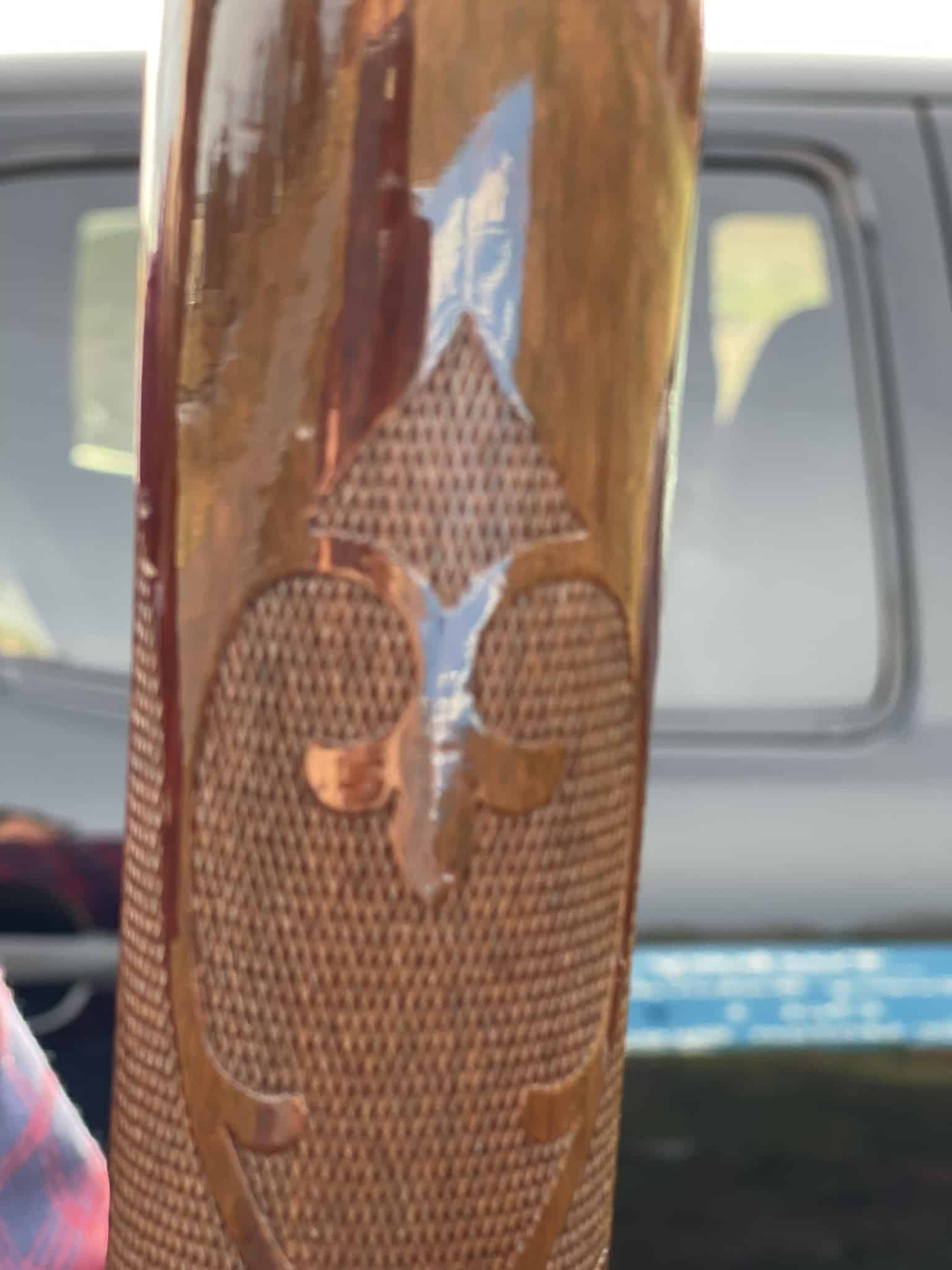
My son Chris has used this old 1100 for more than twenty years. It was already used when I bought it for him, yet it has remained a trusted competition shotgun. That is part of the model’s appeal: the 1100 can be collected, studied, and still enjoyed as a working sporting gun.
Remington built the 1100 across field, lightweight, trap, skeet, commemorative, sporting, and special-purpose forms. A buyer looking at one today should think beyond the model name and ask which 1100 is on the table.
Collector inspection points
Which 1100 is on the table?
- Gauge and frame12, 16, 20, 28, and .410 examples do not all carry the same collector interest.
- Barrel and chokeFixed choke, RemChoke, deer barrels, trap barrels, and skeet barrels tell different stories.
- Wood and finishOriginal checkering, finish, buttplate or recoil pad, and receiver condition all matter.
- Use historyA family competition record can be part of the shotgun’s provenance.
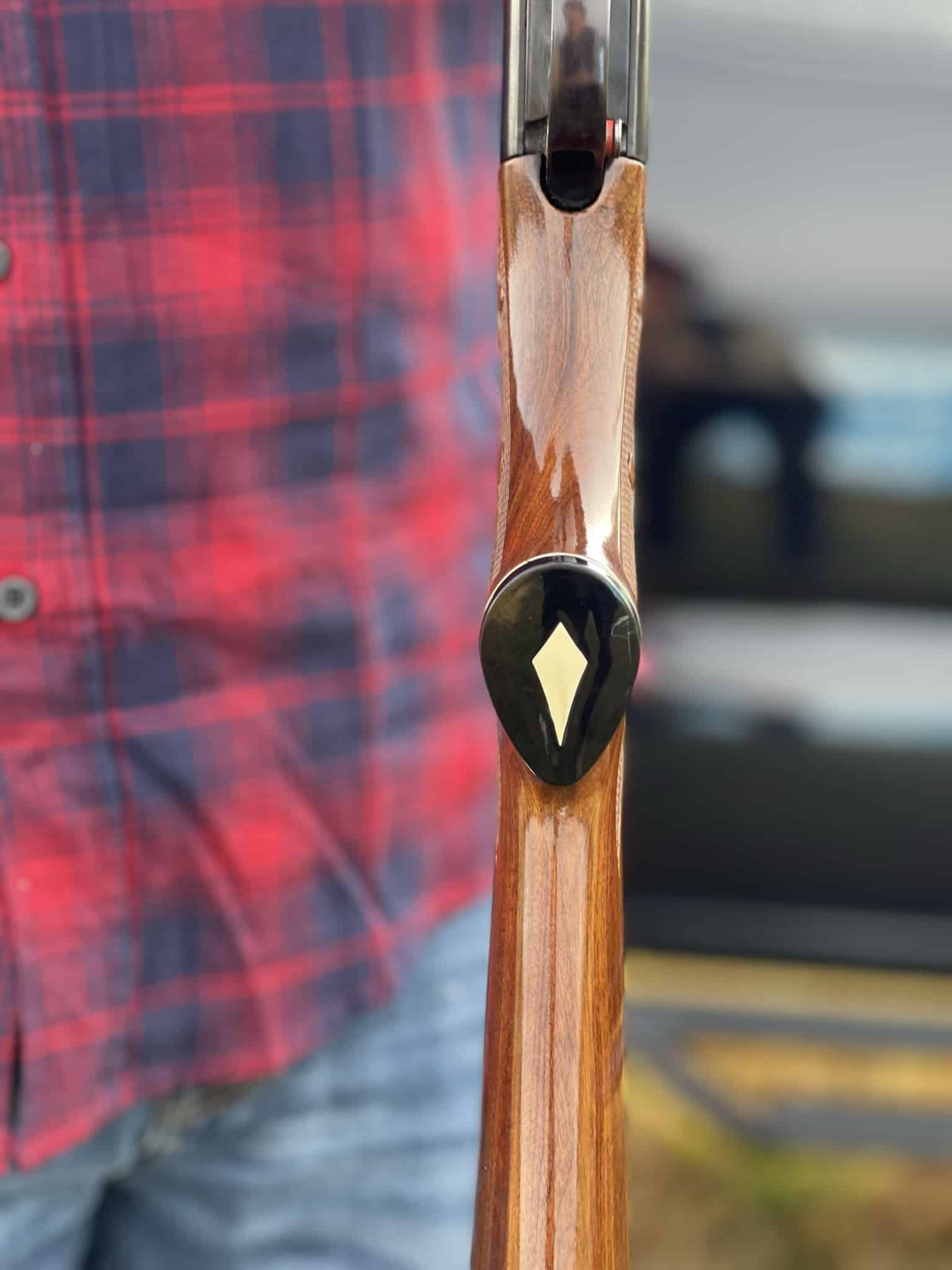
Still in Service
Chris has done so well at competition events with this old Remington 1100 that he has never seriously considered replacing it. That kind of long-term confidence is why the 1100 remains more than a production statistic.
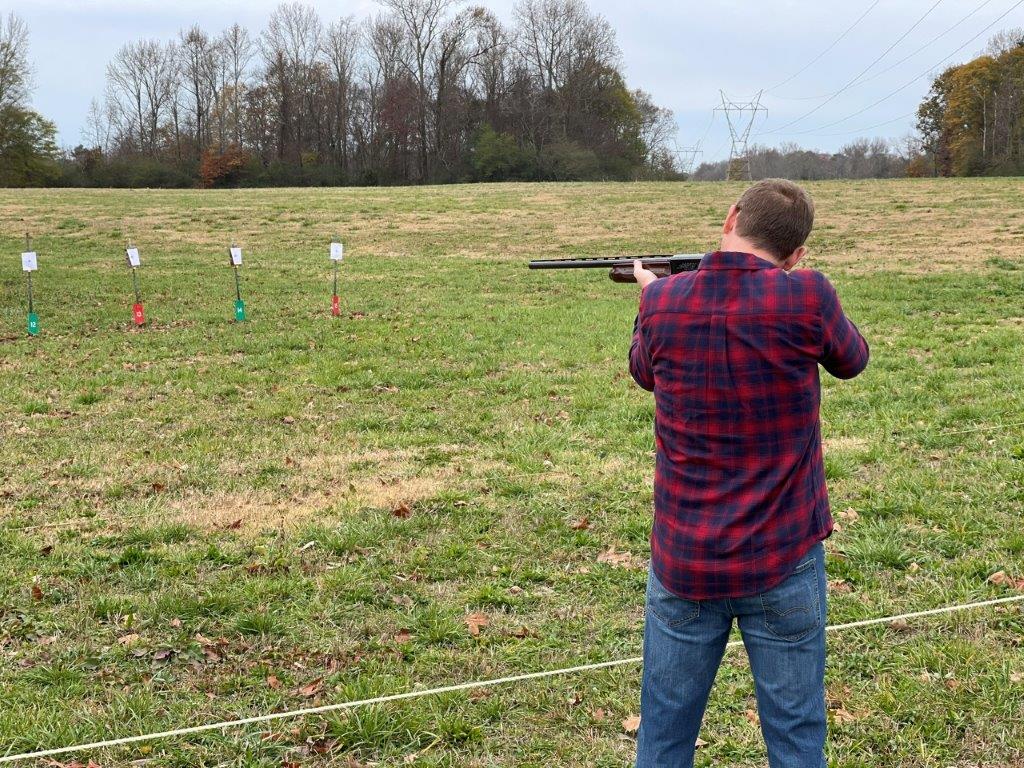
2022 Turkey Shoot Season

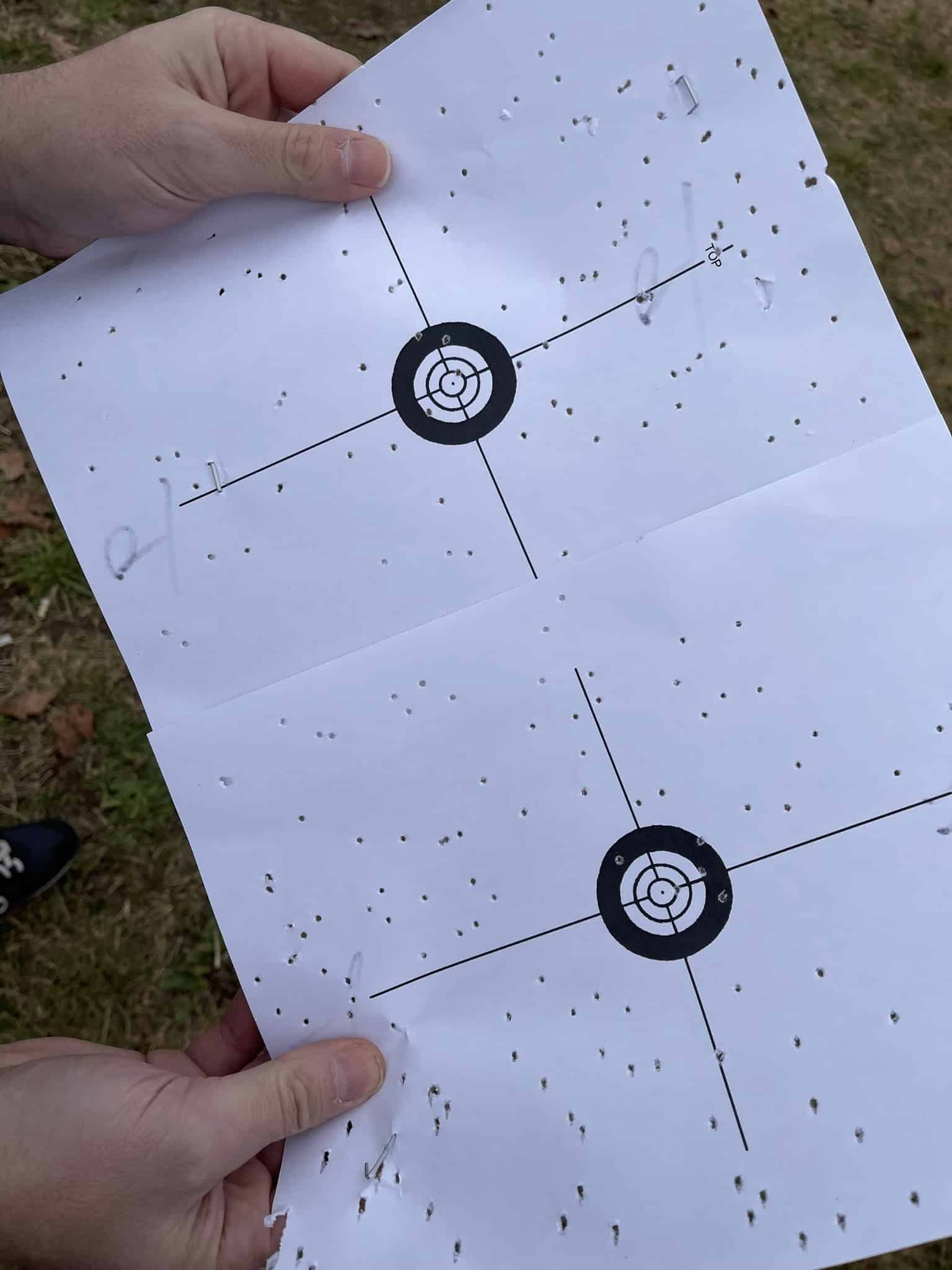
The first time I threw the shotgun to my shoulder and aimed, I realized something was wrong.
The vision in my right eye was very blurry, and it only became obvious when I closed my left eye to aim at the paper target. I scheduled an appointment with my eyeglass doctor immediately and was later sent to a specialist.
I had wet age-related macular degeneration in my right eye and dry AMD in my left eye. My 85-year-old father had macular degeneration; by age 62, so did I. The reason I keep this personal note in the article is simple: a familiar shotgun can reveal changes in the shooter as much as it reveals qualities in the gun.
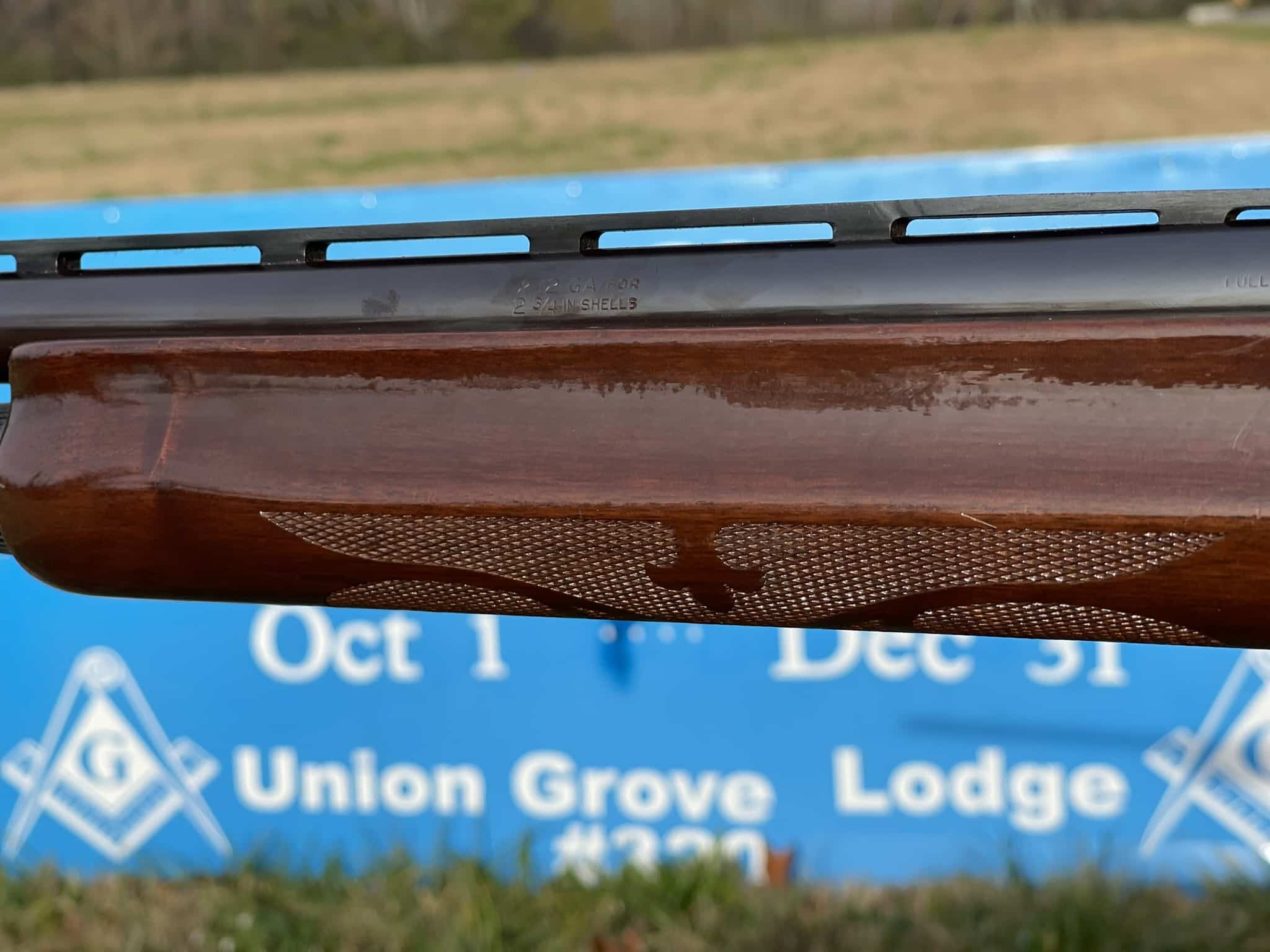
Model 1100 Photo Gallery


Collector Takeaways
The Model 1100 is often easy to find, but that does not make every example equal. A collector should slow down long enough to separate a basic shooter from a high-grade, small-bore, commemorative, early-production, or documented competition gun.
Condition and originality remain central. Look for matching configuration to the period, clean markings, honest receiver wear, original wood, and any paperwork or family story that explains how the shotgun was used. The best 1100s often combine mechanical reputation with human history.
Related Reading
For a first-year example with a personal history, read the story of my Remington 1100 from Spain. For another maker or model, use the firearm serial-number guide directory.
Comparing another classic autoloader? See the Browning Auto-5 manufacture year guide.

About Greg Cook
Greg Cook writes about firearms collecting, personal history, and the stories behind interesting guns. His Army MOS was 76Y, Unit Armorer, and he brings that practical background to his collector articles.