
Remington is one of the foundational names in American firearms history. For more than two centuries, the name has appeared on sporting rifles, pump and semiautomatic shotguns, military arms, target guns, hunting firearms, pocket pistols and ammunition. The company’s story is unusually broad: early nineteenth-century gunmaking, industrial expansion in Ilion, major military contracts, famous twentieth-century sporting models, corporate reorganizations, bankruptcy and a modern division between the Remington firearms and ammunition businesses.
That long history also makes Remington research more complicated than a single serial-number chart. A collector may be looking at an early Remington-UMC long gun, a prewar sporting rifle, a classic Model 870 Wingmaster, a Model 1100 autoloader, a Model 700 bolt-action rifle, a short-run competition shotgun, or a late Huntsville-made handgun. Each period has different markings, manufacturing clues and collector priorities.
The best way to identify a Remington is to combine the model marking, receiver serial number, barrel code, proof marks, physical configuration and documented production history. No single marking should be treated as the whole answer.
Free Collector Tool
Remington 1100 Serial Number Lookup
Enter the receiver serial number and barrel date code to identify possible production periods, decode common markings and review gauge and configuration clues for the Remington Model 1100.
Open the Remington 1100 Lookup Tool →The Remington Firearms Company Story
Eliphalet Remington and the beginning of the name
The traditional Remington story begins with Eliphalet Remington II in 1816. According to company history, the young blacksmith produced a rifle barrel in New York and entered it in a shooting match. The barrel performed well enough to attract orders, creating the foundation of a business that would become one of America’s longest-lived firearms names.
Early Remington production was not yet the giant integrated firearms operation collectors picture today. Barrel making was the first specialty. Over time, the firm expanded into complete firearms and developed the industrial capacity needed to produce arms on a large scale. The Ilion, New York, works became inseparable from the Remington identity.
From E. Remington & Sons to Remington-UMC
The company passed through multiple names and ownership structures. E. Remington & Sons became a major nineteenth-century producer of sporting and military arms. Remington also participated in the transition from muzzleloading firearms to metallic cartridges, breechloading actions and repeating designs.
In the early twentieth century, the Remington name became linked with Union Metallic Cartridge Company. The Remington-UMC marking seen on many vintage firearms belongs to this corporate era and is an important dating and identification clue. Collectors should photograph the exact rollmark rather than summarizing it from memory, because punctuation, address lines and company wording may help place a firearm within a production period.
DuPont, postwar expansion and the modern sporting line
During the twentieth century, Remington became a dominant sporting-arms manufacturer. Its catalog included pump shotguns, autoloading shotguns, bolt-action rifles, slide-action rifles, semiautomatic rifles, rimfires and target guns. Models such as the 870, 1100 and 700 became so widely recognized that their names often function as categories of their own.
Remington’s scale was a strength, but it also created an enormous number of grades, gauges, barrel lengths, stock patterns, commemoratives and special-purpose configurations. A “Remington 870” description is only the beginning. Wingmaster, Express, Police, Marine Magnum, Special Field, small-gauge and target versions can differ substantially in collector interest.
Bankruptcy and the separation of firearms and ammunition
The former Remington Outdoor Company entered bankruptcy proceedings in 2020 and its assets were sold. The historic Remington name continued through separate businesses. RemArms became the firearms manufacturer, while Remington Ammunition continued as a separate ammunition company. For collectors, this means the word “Remington” can refer to the historic integrated company, the current firearms business or the current ammunition business depending on context.
Remington Timeline for Collectors
| Period | Collector Context |
|---|---|
| 1816 | Traditional founding date associated with Eliphalet Remington II and early barrel making. |
| 19th century | Expansion into complete firearms, military contracts, percussion arms, rolling blocks and sporting guns. |
| Early 1900s | Remington-UMC era; repeating rifles and shotguns become important parts of the catalog. |
| 1930s–1940s | Corporate consolidation, wartime production and transition toward the postwar sporting line. |
| 1950 | Model 870 introduced, beginning one of the most successful pump-shotgun families. |
| 1962 | Model 700 bolt-action rifle introduced. |
| 1963 | Model 1100 gas-operated semiautomatic shotgun introduced. |
| 1980s–1990s | Express, Marine, Police, synthetic-stock, specialized hunting and competition variants expand. |
| 2020 | Former Remington business assets sold after bankruptcy; historic product lines divided among buyers. |
| Modern era | RemArms manufactures Remington firearms; Remington Ammunition operates separately. |
Remington Shotguns
Shotguns are the strongest Remington category on Gun Collectors Club. They also illustrate why a company hub is useful: the early experimental pump, mass-market Model 870, gas-operated Model 1100 and specialized Model 90-T represent very different chapters of the Remington story.
Remington Model 870
Introduced in 1950, the Model 870 became one of the best-known pump-action shotguns in the world. Its dual action bars, bottom loading and side ejection created a durable, adaptable platform. Collectors commonly divide the family into Wingmaster, Express, Police, Marine Magnum, Fieldmaster, target, deer, turkey, small-gauge and commemorative categories.
Early polished-blue Wingmasters with original walnut, correct fixed-choke barrels and strong finish are especially attractive. Police and military-associated examples require careful documentation because later furniture, magazine extensions and replacement barrels are common. The dedicated Remington 870 collector guide covers the model’s major variants, serial-number cautions and value factors.
Remington Model 1100
The Model 1100 arrived in 1963 and helped define the modern gas-operated sporting shotgun. Its recoil characteristics, broad range of gauges and long competition and field history created an enormous collector field. Skeet, trap, magnum, small-gauge, commemorative and high-grade examples can be much more desirable than an ordinary used field gun.
Model 1100 dating frequently involves both the receiver serial number and a barrel date code. Because shotgun barrels can be replaced, the barrel date must be treated as evidence about the barrel unless the whole configuration supports originality. Read the Remington Model 1100 collector guide for the full model history, then use the Remington 1100 serial number lookup tool for marking research.
Early Remington pump shotguns
Long before the Model 870, Remington participated in the development of the American slide-action shotgun. Early examples may use bottom-ejection systems, patent-era markings and mechanical arrangements that look unfamiliar beside later side-ejecting pumps. These guns should be approached as historical mechanisms, with special attention to originality, safe condition and exact markings.
The 1909 Remington UMC pump shotgun article documents an early bottom-ejecting example and explains why experimental pre-870 designs are important to the company story.
Remington Model 90-T
The Model 90-T is a specialized 1990s single-barrel trap gun rather than a general-purpose field shotgun. Its Remington branding, U.S. Competition Arms design credit and Kolar manufacturing connection make it a distinctive collector subject. Rib height, comb configuration, trigger type, barrel work and factory case all deserve documentation.
See the Remington Model 90-T collector guide for the model’s short production history and competition-focused details.
Famous Remington Rifles
Remington rifle collecting reaches from nineteenth-century rolling blocks to twentieth-century bolt actions, pumps, semiautomatics and rimfires. Many important models are discussed here for historical context even when Gun Collectors Club does not yet have a dedicated model page.
Rolling Block rifles
The Remington Rolling Block is one of the company’s most historically important actions. Its simple breechblock and hammer arrangement was used for military, sporting and target arms in many calibers and for many governments. Identification can involve contracts, national markings, caliber conversions and mixed parts, so a generic “Remington rolling block” description is rarely sufficient.
Model 700
Introduced in 1962, the Model 700 became Remington’s best-known bolt-action rifle family. Collectors examine action length, chambering, grade, stock style, barrel contour, sights, floorplate, checkering, recoil pad, date codes and the relationship between receiver and barrel markings. Early BDL and ADL rifles, scarce chamberings, target or varmint versions, custom-shop guns and documented military or law-enforcement variants may carry special interest.
Model 760, 7600, 740 and 742 families
Remington’s pump and semiautomatic centerfire sporting rifles created a distinct American hunting tradition. The pump-action Model 760 and 7600 appealed to hunters who wanted fast follow-up shots with familiar slide-action handling. The semiautomatic 740 and 742 families filled a similar role for self-loading rifle buyers.
For collectors, chambering, grade, stock pattern, receiver engraving, detachable magazine, barrel code and condition all matter. These rifles were often carried hard in hunting country, so original examples with crisp receiver finish and unaltered stocks deserve closer attention.
Rimfire rifles and the Nylon 66
Remington produced a wide range of rimfire rifles. The Nylon 66 is especially recognizable because of its synthetic stock and futuristic mid-century appearance. Color variation, barrel markings, receiver-cover finish, magazine system, box and accessories can separate ordinary shooters from more collectible examples.
For broader context on American long guns, visit the rifle collector guides and the long-form feature on classic American rifles.
Remington Handguns
Remington’s handgun history includes nineteenth-century revolvers and derringers, early semiautomatic pistols, military-associated designs and modern pistols. Because the company is better known for long guns, unusual Remington handguns can surprise collectors who encounter them without context.
Early revolvers and derringers
Original Remington percussion revolvers are major Civil War-era collector arms. Authenticity, martial markings, inspector stamps, serial-number matching, finish, grips and evidence of later conversion are central questions. The Remington double derringer also became an iconic pocket arm and was produced in numerous variations over a long period.
Model 51 and later semiautomatic pistols
The Remington Model 51 is remembered for its compact proportions and unusual action system. Later Remington-branded pistols occupy very different eras, including modern 1911-style pistols, the R51 and the RM380. Each must be evaluated within its own production context rather than treated as part of a continuous handgun line.
RM380 Executive Model: A Future Collectible?
The RM380 Executive Model is one of the more distinctive handguns from Remington’s final modern pistol era. Its Rohrbaugh-derived design, compact all-metal construction, Huntsville manufacturing connection and short-lived place in the company catalog give it a clear historical identity that ordinary polymer pocket pistols often lack.
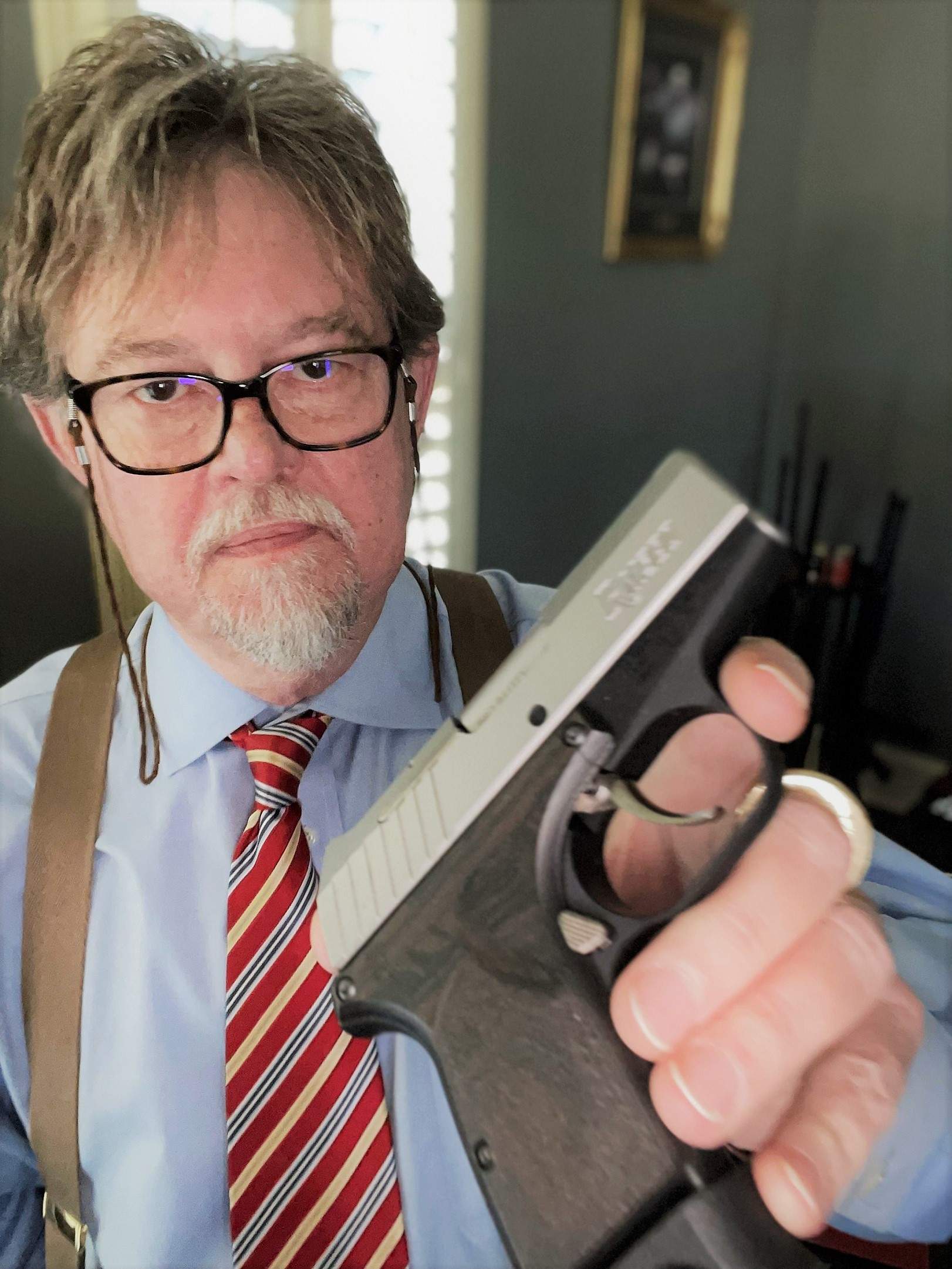
Executive examples are identified by their upgraded appearance, including the two-tone treatment and laminate grips. Collector interest is likely to depend on originality, condition, factory box, magazines, papers and evidence that the pistol remains in its factory configuration. Because the model was produced during a turbulent corporate period, accurately documented examples may become useful reference pieces for understanding the closing chapter of Remington-branded handgun production.
This does not guarantee future value, but the model has several traits collectors watch: recognizable design lineage, a limited production window, a premium sub-variant and a direct connection to a major American firearms name. The complete Remington RM380 Executive Model article covers the Rohrbaugh connection, operating features and personal ownership history in greater depth.
Remington Serial Numbers and Barrel Date Codes
“Remington serial number lookup” is one of the most common searches related to the company, but there is no universal Remington table covering every firearm. Serial practices changed by model, factory and era. Some early guns may have markings that require specialized references. Other models use receiver serial prefixes or suffixes that identify broad production periods, gauges or configurations.
Record the complete serial number
Copy every character exactly, including prefixes, suffixes, spaces and punctuation. A letter that seems decorative may identify a production block, gauge or receiver type. Photograph the marking in even light and include a wider image showing where it appears on the firearm.
Understand barrel date codes
Many Remington barrels use a letter code near the receiver. The first letter commonly identifies the month and the following letter identifies a year code. Because the year letters repeat over time, the code must be interpreted with the model’s production years and physical features.
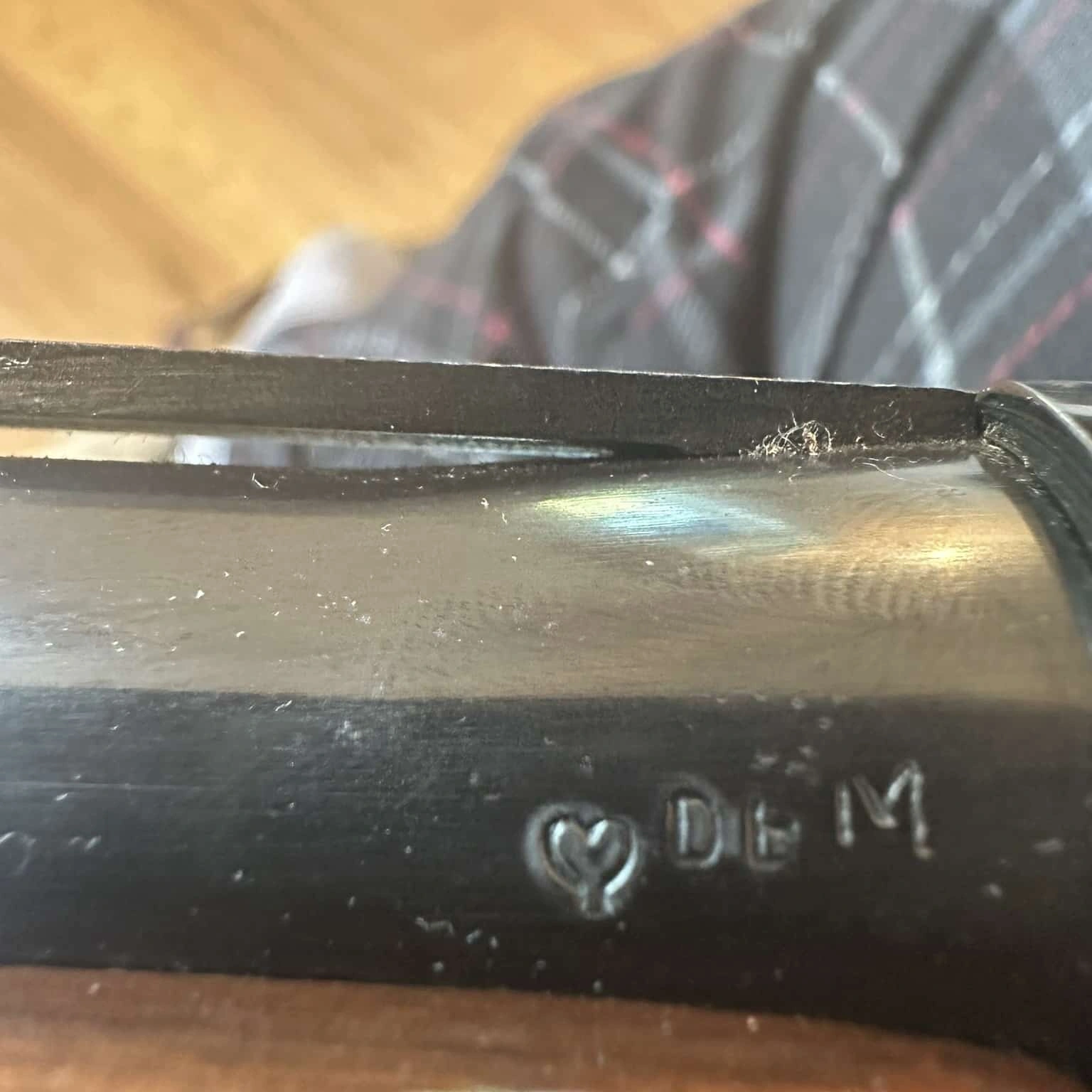
On shotguns, the largest caution is interchangeability. A replacement barrel may be much newer or older than the receiver. A barrel code therefore dates the barrel, not automatically the complete shotgun. Finish, rib, choke system, chamber marking, receiver serial block and stock style should all agree before the code is used to describe the gun.
Use model-specific references
The most reliable process begins by identifying the exact model, then using a reference written for that model. The Firearm Serial Number Charts and Identification Guides page organizes the site’s lookup tools and collector references by manufacturer and firearm family.
| Evidence | What to Record | Why It Matters |
|---|---|---|
| Receiver or frame | Full serial, model marking, company address and proof marks | Usually the central identity of the firearm. |
| Barrel | Date code, chambering, choke, rib, sights and address line | Helps date and configure the barrel, but may not prove receiver date. |
| Stock and furniture | Wood type, checkering, pad, buttplate, finish and repairs | Original furniture is a major value factor. |
| Mechanical features | Safety, action type, magazine, trigger and special controls | Separates variations and helps identify later modifications. |
| Packaging | Box label, manual, hang tag, receipt and accessories | Can document original configuration and increase collector confidence. |
How to Identify an Old Remington Firearm
Start with the model marking, but do not stop there
Many Remington firearms clearly display a model number, yet the exact grade or variation may be less obvious. A Model 870 could be a Wingmaster, Express, Police, Marine, trap, skeet, deer, turkey, small-gauge or commemorative configuration. A Model 700 could differ by action length, grade, stock, barrel and chambering.
Read the company name and address
Rollmarks may include E. Remington & Sons, Remington Arms, Remington-UMC, Remington Arms Company and different location or corporate wording. These details can help place a firearm within a broad era. Never polish or aggressively clean a faint rollmark merely to make it easier to read.
Compare features with the claimed production period
Check whether the stock, recoil pad, sights, choke system, magazine, trigger guard, safety and finish fit the claimed year. A later barrel on an earlier receiver is common and may be perfectly usable, but it should not be represented as an untouched original firearm.
Separate factory variations from aftermarket changes
Remington firearms were working guns, and owners changed them. Cut barrels, replacement pads, refinished stocks, scope holes, synthetic furniture, tactical extensions, choke-tube conversions and trigger work are common. Good documentation should say what is original, what is uncertain and what was changed.
What Makes a Remington Firearm Valuable?
Value depends on more than age. A scarce model in poor or altered condition may be less desirable than a common model preserved in exceptional original condition. The strongest collector examples generally combine a desirable configuration with originality, finish, documentation and a clear place in Remington history.
Originality
Original barrel, stock, buttplate or recoil pad, finish, sights, magazine and small parts matter. Refinishing may improve appearance while lowering collector value. A factory letter, original box or period receipt can resolve questions that physical inspection alone cannot answer.
Condition
Evaluate metal finish, bore, chamber, stock finish, checkering, screws, receiver edges, muzzle, magazine cap and carry points. Honest field wear is different from neglect, rust, sanding or cold-blue touch-up. Mechanical safety and collector condition are separate questions; both deserve attention.
Scarcity and configuration
Small gauges, rare chamberings, special grades, short production runs, military or police documentation, target configurations, engraved guns, custom-shop examples and complete commemoratives can attract premiums. A model name alone is not enough—the precise version is what creates scarcity.
Documentation and personal history
Factory records, boxes, manuals, sales receipts, agency documentation and a credible ownership story can add meaning. Documentation should be preserved with the firearm rather than scattered across unrelated storage.
Collector Rule
Buy the configuration, not merely the name.
“Remington” and a famous model number may attract attention, but condition, originality, gauge, grade, barrel, stock and documentation determine whether the firearm is an ordinary shooter or a serious collector piece.
Preserving a Remington Collection
Preservation begins with documentation. Photograph each side, the serial number, barrel code, company address, proof marks, stock, buttplate, sights and any unusual features. Save the original-resolution images and keep a written inventory outside the gun safe as well as a backup copy.
Avoid aggressive polishing, sanding or refinishing. Old finishes and tool marks are evidence. Use appropriate humidity control and breathable protection, and inspect firearms periodically for rust around the muzzle, receiver edges, magazine cap, grip frame and areas that contact foam or fabric.
Keep boxes, manuals, choke tubes, factory tools, extra barrels and receipts labeled to the correct firearm. On modular shotguns, note which barrel was acquired with the receiver and which accessories were added later.
Frequently Asked Questions
How do I date a Remington firearm?
Identify the exact model and record the full receiver serial number, barrel date code, rollmarks and physical features. Use model-specific references. On a shotgun, treat the barrel date as the barrel’s date unless originality is supported by the rest of the firearm.
Where is the serial number?
The location varies by model and era. It may appear on the receiver, frame, tang or another serialized component. Photograph the marking and record every letter and number exactly.
What do Remington barrel letters mean?
They commonly encode the month and year in which the barrel was made. The year code repeats, so the firearm’s production period and features are needed to interpret it correctly.
Is the barrel code the manufacture date of the gun?
Not necessarily. It is evidence of the barrel’s manufacture. Shotgun barrels are readily replaced, and a replacement barrel can create a misleading date unless the receiver and configuration are evaluated too.
Are old Remington shotguns collectible?
Yes. Early Wingmasters, small gauges, high-grade target guns, documented Police or military examples, Marine Magnums, special editions and original high-condition guns can attract strong interest.
Can I look up a Remington 1100 online?
Yes. Use the free Remington 1100 serial number lookup tool, then compare the result with the complete firearm and the Model 1100 collector guide.
For a personal example of early Model 1100 ownership, read my first-year Remington 1100 story from Spain.
Remington Pages on Gun Collectors Club

About Greg Cook
Greg Cook writes about firearms collecting, personal history and the stories behind interesting guns. His Army MOS was 76Y, Unit Armorer, and he brings that practical background to his collector articles.
Sources Consulted
- RemArms firearm-history and support materials for current company and model-history context.
- Remington Ammunition corporate materials for the modern separation of the ammunition business.
- Remington Society of America manufacture-date and collector references.
- Gun Collectors Club model pages for the Remington 870, 1100, 90-T, 1909 pump and RM380.
- Period catalogs, model markings and collector reference works used to compare configurations and production changes.