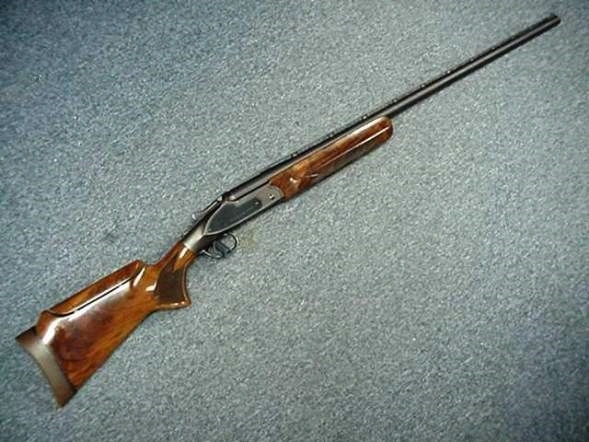
A Remington Trap Gun With a Kolar Connection
The 90-T belongs to a specialized late-twentieth-century chapter of the company. The broader Remington collector guide places it alongside the maker’s better-known sporting rifles, pump shotguns, autoloaders and handguns.
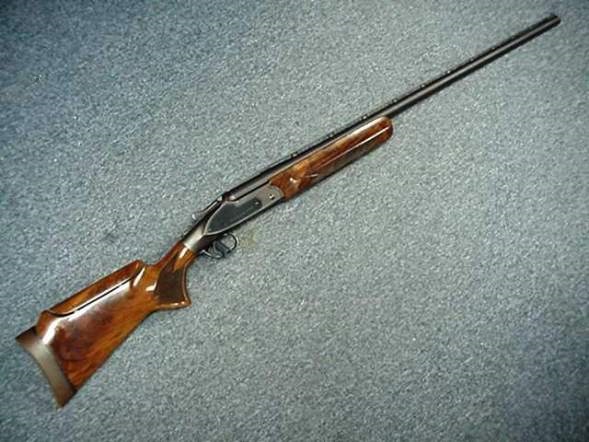
The Remington Model 90-T is a focused competition shotgun: a single-barrel, 12-gauge trap gun built around repeatable fit, long sight plane, and the deliberate pace of trap shooting. It is not a general-purpose field gun dressed up for the range. It was meant for targets.
Remington’s firearm-history listing identifies the Model 90-T as a single-barrel trap gun introduced in 1991 and discontinued in 1997. It lists U.S. Competition Arms as designer, a break-open mono-block system as the action type, and serial numbers preceded by the letters ST.
That short production window is one reason the 90-T deserves a stronger collector profile. The gun sits at the intersection of Remington branding, U.S. Competition Arms design, and Kolar Arms manufacturing reputation.
- Production1991–1997
- TypeSingle-barrel trap shotgun
- Gauge12 gauge
- ActionBreak-open mono-block system
- Serial prefixST
- Notable variation90-T HPAR High Post Adjustable Rib
How the Kolar Story Helps Explain the 90-T
Kolar Arms describes the 90-T project as a turning point in its competition-shotgun history. According to Kolar, Remington approached the company in the late 1980s about prototype Parker side-by-sides, and that collaboration evolved into the 90-T, a single-barrel trap gun dedicated to competition trap shooting.
That background helps readers understand why the 90-T has a different personality than many Remington-branded shotguns. It carries the Remington name, but the competition world often talks about it through the Kolar connection.
The 90-T is a narrow-purpose gun, and that is exactly why it is interesting: it was built for a particular game, a particular sight picture, and a particular kind of shooter.
The Turkey Shoot Lesson
Colin bought this 90-T to take to a local Turkey Shoot. After several trials and many adjustments, he was disappointed with his performance and eventually sold the gun. His conclusion was fair: the problem was probably more shooter than shotgun.
That is a useful collector lesson. A trap gun can be beautifully made and still not fit a particular shooter, target game, or local competition style. The right trap gun must match the shooter’s mount, eye, rhythm, and expectations.
Design Features Worth Documenting
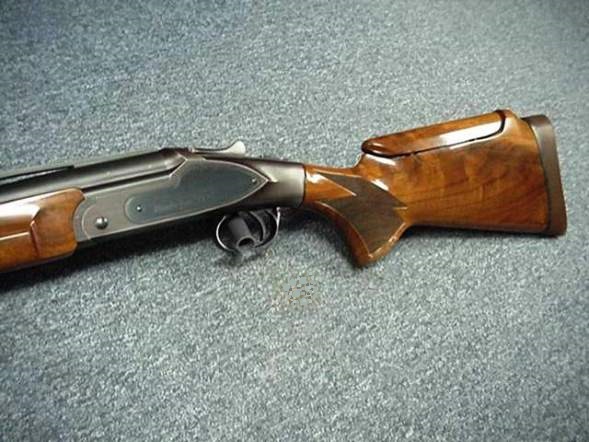
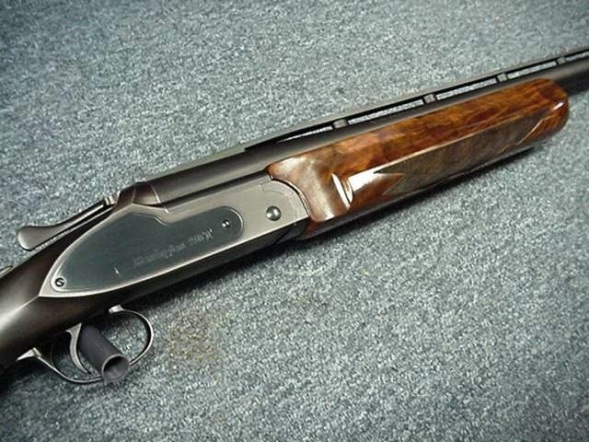
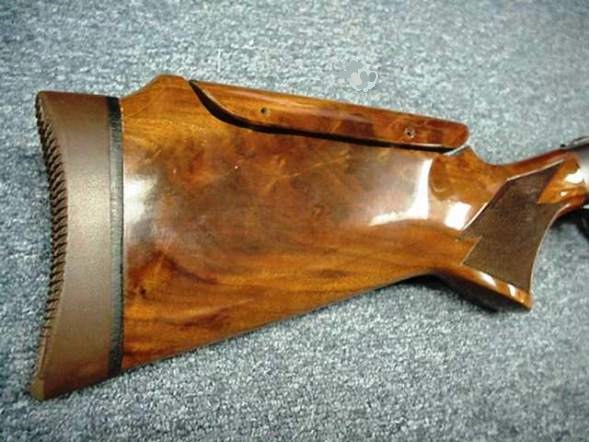
The original page described the gun as a 12-gauge single-shot trap gun with a 34-inch barrel, full fixed choke, low vent rib, and adjustable comb stock. Remington’s own history lists the standard grade and notes that custom-made and adjustable-comb stocks were available by special order.
A collector should document which version is actually in hand. Standard low-rib guns, high-post adjustable-rib guns, adjustable-comb examples, ported barrels, fixed chokes, choke-tube conversions, and trigger work all affect how a 90-T should be described.
- Rib configuration: low rib or HPAR high-post adjustable rib.
- Comb and stock: fixed, adjustable, original, or later altered.
- Barrel: length, porting, choke marking, and any later choke-tube work.
- Trigger: conventional pull trigger or release-trigger configuration.
- Serial number: ST prefix and any paperwork that ties the gun to its case or original sale.
- Case and accessories: factory case, tools, papers, and spare parts can add collector appeal.
The 90-T’s long barrel and trap-focused stock create a very different handling experience than a field shotgun. That is the point. Trap guns are built for a rising target presentation and repeatable gun mount, not for walking cover or quick instinctive swings in the uplands.
Release Trigger Note
The original article noted that this shotgun had a release trigger rather than a traditional trigger. That is important enough to keep on the page, because a release trigger changes how the shotgun behaves and should never be assumed or ignored.
For collectors, the safe question is not “how do I change it?” but “what exactly is fitted to this gun, who did the work, and is it documented?”
Fit, Point of Impact, and Why Trap Guns Feel Different
The 90-T typically shows up in conversations about comb height, rib height, point of impact, and recoil. Those terms can become technical quickly, but the collector-level takeaway is straightforward: trap guns are often personalized. Adjustments and aftermarket work may improve the shotgun for one shooter while making it less original for another.
That is why the buyer or collector should separate competitive usefulness from collector originality. A ported barrel, adjustable comb, aftermarket trigger, recoil pad, or stock work may be perfectly sensible for the range, but the page should record whether those features are factory, special order, or later work.
“This is a racy-looking gun for sure.”
That line from the original page still fits. The 90-T looks purpose-built because it is. The high comb, long barrel, and competition-stock geometry give it a race-gun look in shotgun form.
Photo Notes
Collector Takeaways
The Remington 90-T is not a beginner’s “one shotgun does everything” story. It is a focused trap gun with a short production run and a useful Kolar connection. That makes it a good page for readers who want to learn how purpose-built competition guns differ from broad-market hunting shotguns.
When evaluating one, focus on originality, trigger type, rib configuration, comb and stock work, barrel and choke details, factory case or paperwork, and whether the example is a low-rib gun or an HPAR. A well-documented 90-T tells a better story than a vague auction description ever will.
Sources Consulted
Related Reading
Long-Gun Reference Shelf
For shotgun research, keep catalog references, serial-number notes, photos of markings, and paperwork with the gun’s file. Competition shotguns especially benefit from careful documentation of stock, trigger, rib, barrel, and case details.
Rifles and Shotguns ReferenceAs an Amazon Associate I earn from qualifying purchases. I only link to products, books, tools, and accessories that fit the editorial purpose of Gun Collectors Club.

About Greg Cook
Greg Cook writes about firearms collecting, personal history, and the stories behind interesting guns. His Army MOS was 76Y, Unit Armorer, and he brings that practical background to his collector articles.