After the Tax Stamp: What Comes Next for Suppressors and Short-Barreled Rifles?
By Greg Cook · November 27, 2026
View the full cover photograph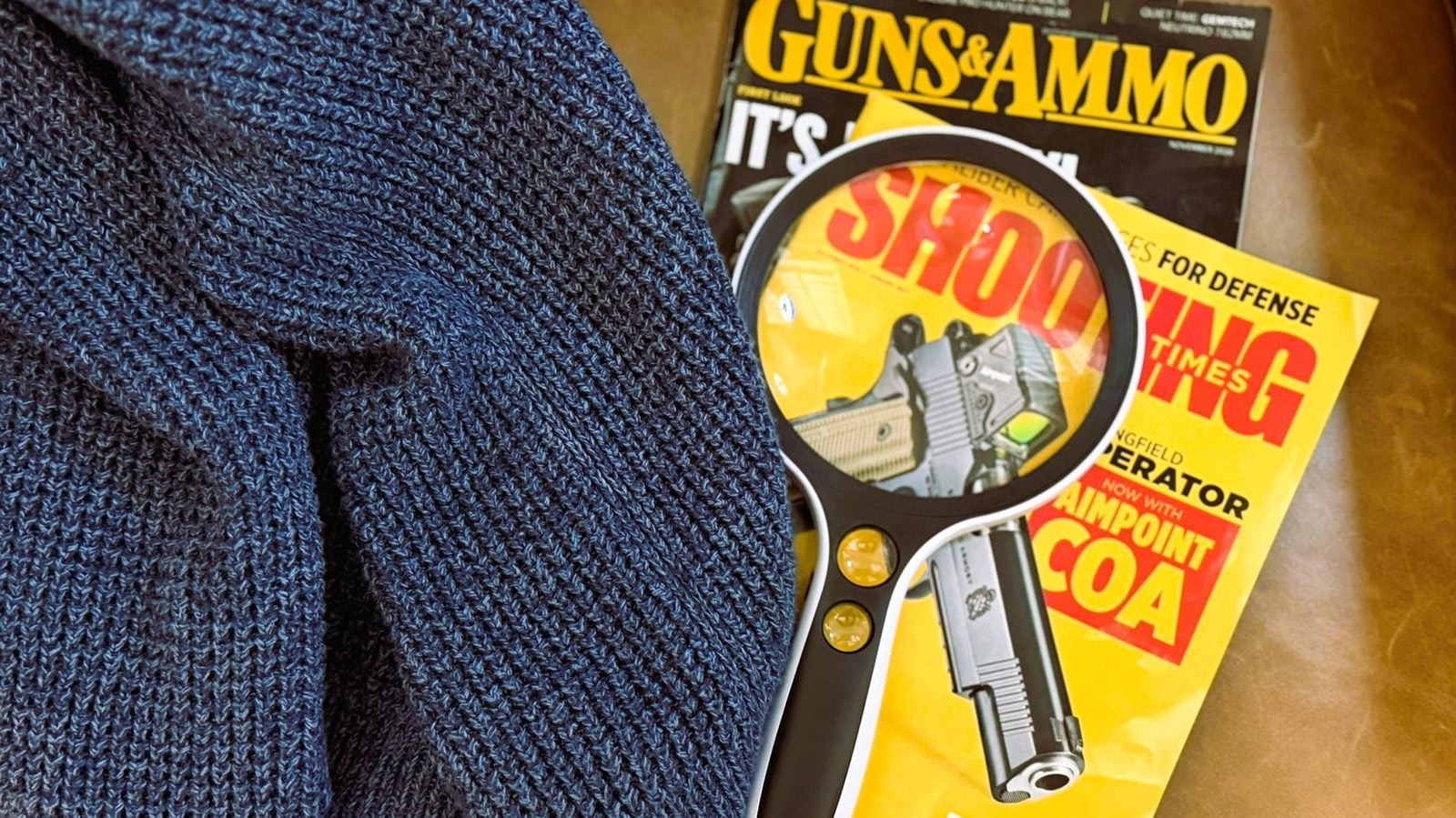
For 90 years, owning a suppressor or a short-barreled rifle meant the same routine. You filed the paperwork, paid the $200 tax, and waited for the stamp. In about 15 months that routine came apart. Congress cut the tax to zero, a federal judge in Texas ruled that the registration system could no longer stand without it, and ATF stopped enforcing the approval and registration requirements for everyone.
I don't think that is the end of the story. The future of suppressors and short-barreled rifles may be entering the most unsettled period since the National Firearms Act was enacted in 1934. The immediate question is no longer simply whether these firearms will remain regulated. It is what constitutional foundation Congress could use to regulate them, how aggressively a future administration might test that authority, and whether the courts will allow the old system to be rebuilt.
Put more simply, the real question may no longer be whether suppressors and short-barreled rifles will be regulated, but what the next generation of that regulation will look like and whether it can survive constitutional scrutiny.
1934: Why suppressors and SBRs entered the NFA
The National Firearms Act of 1934 was a response to Prohibition-era "gangster weapons." Doubting it had the power to ban those guns outright, Congress taxed them: $200 to make or transfer a covered "firearm," roughly the price of a machine gun at the time, plus an occupational tax on dealers and manufacturers. To make the taxes collectible, Congress added registration, application, and recordkeeping requirements.
The NFA's "firearms" covered machine guns, short-barreled shotguns, short-barreled rifles, silencers, and a catch-all group of concealable "any other weapons" (AOWs). A rifle is "short-barreled" if its barrel is under 16 inches or, when made from a rifle, if its overall length is under 26 inches. For shotguns the barrel figure is 18 inches.
In Sonzinsky v. United States (1937), the Court upheld the NFA as a taxing measure and described its registration provisions as "obviously supportable as in aid of a revenue purpose." In United States v. Miller (1939), a case about an unregistered sawed-off shotgun, the Court said that without evidence the weapon had "some reasonable relationship to the preservation or efficiency of a well regulated militia," it could not say the Second Amendment protected it.
The law was rewritten in 1968. Earlier that year, in Haynes v. United States, the Supreme Court held that the registration scheme as then written could force people to incriminate themselves. Congress revised the NFA that year as Title II of the Gun Control Act. That produced the system collectors know: Form 1 to make, Form 4 to transfer, and a central registry, the National Firearms Registration and Transfer Record.
One point causes confusion. The 1986 "Hughes Amendment," 18 U.S.C. § 922(o), closed the machine-gun registry to new civilian guns. It never applied to suppressors or short-barreled rifles. Where state law allowed them, those items stayed available to anyone who could pass the background check, file the paperwork, and pay the tax.
Keep one more thing in mind. The Gun Control Act rests on Congress's power over interstate commerce. The NFA sits in the Internal Revenue Code and rests on the power to tax. That difference became the hinge of everything that followed.
2025–26: Congress reduces the tax to zero
In 2025, supporters of the long-stalled Hearing Protection Act and SHORT Act tried to attach versions of both to the budget reconciliation bill. The Senate parliamentarian ruled that removing suppressors and short-barreled long guns from the NFA did not fit the budget rules for reconciliation. The language that survived cut the tax instead.
President Trump signed the One Big Beautiful Bill Act (Pub. L. 119-21) on July 4, 2025. Section 70436 set the making and transfer tax at $0 for short-barreled rifles, short-barreled shotguns, silencers, and AOWs, effective January 1, 2026. It kept the $200 tax on machine guns and destructive devices and left the dealers' occupational tax and the whole registration system in place. As the Congressional Research Service put it, the law "did not repeal the NFA or its implementing regulations."
So on New Year's Day 2026, a suppressor buyer still filed a Form 4 and waited for approval. The stamp just cost nothing.
August 2026: The Texas ruling
Lawsuits followed almost immediately. The lead case, Silencer Shop Foundation v. ATF, No. 6:25-cv-056, was filed in the Northern District of Texas. Its plaintiffs included individuals, gun-rights groups, manufacturers including SilencerCo, and 15 states led by Texas. A related NRA-backed case, Jensen v. ATF, was consolidated with it.
On August 5, 2026, U.S. District Judge James Wesley Hendrix ruled for the plaintiffs. His reasoning: a tax has to raise at least some revenue. Once Congress zeroed out the making and transfer taxes, the registration and approval provisions could no longer be justified as "in aid of a revenue purpose." Because Congress wrote the NFA under the taxing power alone, he also held, it could not be saved after the fact under the Commerce Clause, a power Congress never invoked in the statute.
The scope matters as much as the reasoning:
- It covered only the untaxed items: short-barreled rifles, short-barreled shotguns, suppressors, and AOWs. Machine guns and destructive devices were untouched.
- It did not reach the Second Amendment. The plaintiffs agreed to set those claims aside, and they were dismissed without prejudice.
- The injunction protected only the plaintiffs, their members, and their customers. The court cited the Supreme Court's 2025 decision in Trump v. CASA, which limits universal injunctions.
The judgment took effect August 12. On September 24, the Solicitor General notified the Speaker of the House that the Justice Department would not appeal. The appeal deadline passed on October 5. A similar case brought by Missouri and other plaintiffs, Brown v. ATF, remains pending in the Eastern District of Missouri.
October 9, 2026: ATF stops enforcing for everyone
On October 9, ATF Director Robert Cekada issued an open letter to licensees and the public. It took the ruling nationwide as a matter of enforcement policy, not court order. Effective that day, the letter said, ATF "will no longer require individuals to seek ATF approval under the NFA before making or transferring short-barreled rifles, short-barreled shotguns, silencers, and 'any other weapon[s],'" and "will also no longer require such items to be registered." The policy applies "uniformly to anyone," not just the plaintiffs.
Filing is now voluntary; ATF will still accept Forms 1, 2, 3, and 4. An accompanying FAQ said ATF will also not enforce 26 U.S.C. § 5861(j), the provision against moving unregistered NFA items in interstate commerce, which the court had not expressly enjoined.
The letter also lists five limits, and collectors should read them closely:
- Dealers, manufacturers, and importers still owe the special occupational tax.
- Machine guns and destructive devices remain fully under the NFA, $200 tax included.
- The Gun Control Act still applies. These items remain "firearms" for background checks, dealer recordkeeping, and prohibited-person rules.
- The GCA's separate limits on transporting and selling short-barreled rifles and shotguns were not enjoined. Owners should keep filing Form 5320.20 for interstate transport, though ATF will not enforce the dealer-sale provision, 18 U.S.C. § 922(b)(4), until it writes new regulations.
- State and local laws are unaffected. ATF also warned that it is "unclear" whether state courts will honor the federal safe-passage provision, 18 U.S.C. § 926A, for unregistered NFA items.
Just as important, the letter repeals nothing and is not a regulation. It is one administration's enforcement discretion, and the statute is still on the books.
The political change: What a new Congress could attempt
In the November 3, 2026 midterms, Democrats won the House by a wide margin, at least 259 seats with three races still uncalled as of this writing. They also won the Senate, 56 to 44. The new Congress convenes January 3, 2027. President Trump remains in office through January 2029.
Bills to undo the tax cut already exist. In December 2025, Rep. Maxwell Frost introduced H.R. 6743 and Sen. Angela Alsobrooks introduced S. 3512, the "Medicare Investment and Gun Violence Prevention Act." Both would restore the $200 making and transfer taxes. Both were referred to committee and went no further. Unpassed bills expire when this Congress ends.
A Democratic Congress could hold hearings on the ATF letter, press DOJ through oversight, and pass bills. Restoring the tax or writing a new regulatory statute would still need the President's signature. Overriding a veto takes two-thirds of both chambers. Ordinary legislation also faces the Senate's 60-vote filibuster threshold, and 56 seats fall short of that. A tax change can pass through budget reconciliation by simple majority, but it still needs the President's signature, and the 2025 fight showed that reconciliation is poorly suited to regulatory provisions.
None of that predicts what Congress will do. But through at least January 2029, rebuilding the old system would need either a presidential signature or margins Democrats do not have. Separately, any future administration could rescind ATF's policy, which did not go through rulemaking.
The constitutional problem: Can the old system be rebuilt?
A Congress and President who wanted the old system back would have two obvious routes, neither free of risk.
Bring back a tax. CRS notes that Congress could "add some dollar amount to the tax." That would restore the revenue link that Sonzinsky relied on. Under NFIB v. Sebelius (2012), a tax that produces revenue can support regulation even of activity Congress could not otherwise reach. Open questions remain, including how it would treat items transferred while enforcement was suspended.
Use the Commerce Clause. CRS also notes that Congress could "expressly identify a separate constitutional basis," as the Gun Control Act already does. There is precedent: after United States v. Lopez (1995) struck down the Gun-Free School Zones Act, Congress re-enacted it with an interstate-commerce element. Gonzales v. Raich (2005) upheld federal regulation of purely local activity as part of a broader market scheme. Judge Hendrix's opinion does not say a commerce-based NFA would fail. It says the 1934 law was not written as one. A redrafted law would be litigated on its own terms.
Either route then runs into the Second Amendment, which the Texas court did not decide. Under Bruen (2022), when the Second Amendment's text covers the conduct, the government must show that its regulation fits the nation's historical tradition of firearm regulation. Rahimi (2024) clarified that the government needs a historical analogue, not a "historical twin." Courts have not settled whether a suppressor is an "arm" or an accessory. In United States v. Peterson, the Fifth Circuit's revised December 2025 opinion assumed suppressors are protected arms, then upheld the NFA's application-and-registration process as a presumptively lawful "shall-issue" style regime. The Supreme Court declined to hear that case on April 20, 2026. Short-barreled shotguns carry the shadow of Miller and of Heller's 2008 remark that the Second Amendment does not protect weapons "not typically possessed by law-abiding citizens for lawful purposes, such as short-barreled shotguns." No court has settled whether that description fits today's short-barreled rifles.
The states: Federal deregulation does not mean one national rule
ATF's letter says plainly that it does not affect state law. As The Trace reported in October 2026, suppressors remain banned for civilians in California, Delaware, Hawaii, Illinois, Massachusetts, New Jersey, New York, and Rhode Island, and in Washington, D.C. Short-barreled rifles and shotguns are banned outright in California, Hawaii, New Jersey, New York, and Rhode Island, and in D.C. Several more states ban short-barreled shotguns only.
California's Department of Justice issued a bulletin on September 18, 2026, warning dealers and police that silencers, short-barreled rifles, and short-barreled shotguns "remain illegal to possess or sell in California," even for members of the plaintiff groups.
The less obvious trap is in states that allow NFA items. As ATF's letter notes, many state laws exempt these items only when they are registered or possessed in compliance with federal law, and an unregistered suppressor may not meet that wording. According to The Trace, at least one state, Mississippi, has dropped its NFA-compliance requirement. ATF tells owners to check with local authorities before carrying an unregistered item into or through another state. For now, the answer depends heavily on where you live.
The long view
The tax that held the NFA together for these items is gone. A federal court has ruled that the registration system cannot stand without it, the government chose not to appeal, and one administration has stopped enforcing the rules. The next Congress will be controlled by the party most interested in reversing course.
What the record does not support is a confident forecast. Suppressors and short-barreled rifles could stay effectively deregulated at the federal level. They could return to a restored tax-and-registry system. They could land under a new commerce-based law that looks more like the Gun Control Act than the NFA, with background checks and dealer records but no federal registry. Meanwhile, the states will keep setting their own rules. Whatever form federal law takes, it will face constitutional questions the 1934 Congress never had to answer.
For collectors, the practical advice is simple: keep your paperwork. Approved Form 4s and Form 1s, receipts, and any voluntary filings are the best evidence of how and when you acquired an item, whatever the next set of rules turns out to be.
Thanksgiving at Home: A Field Note
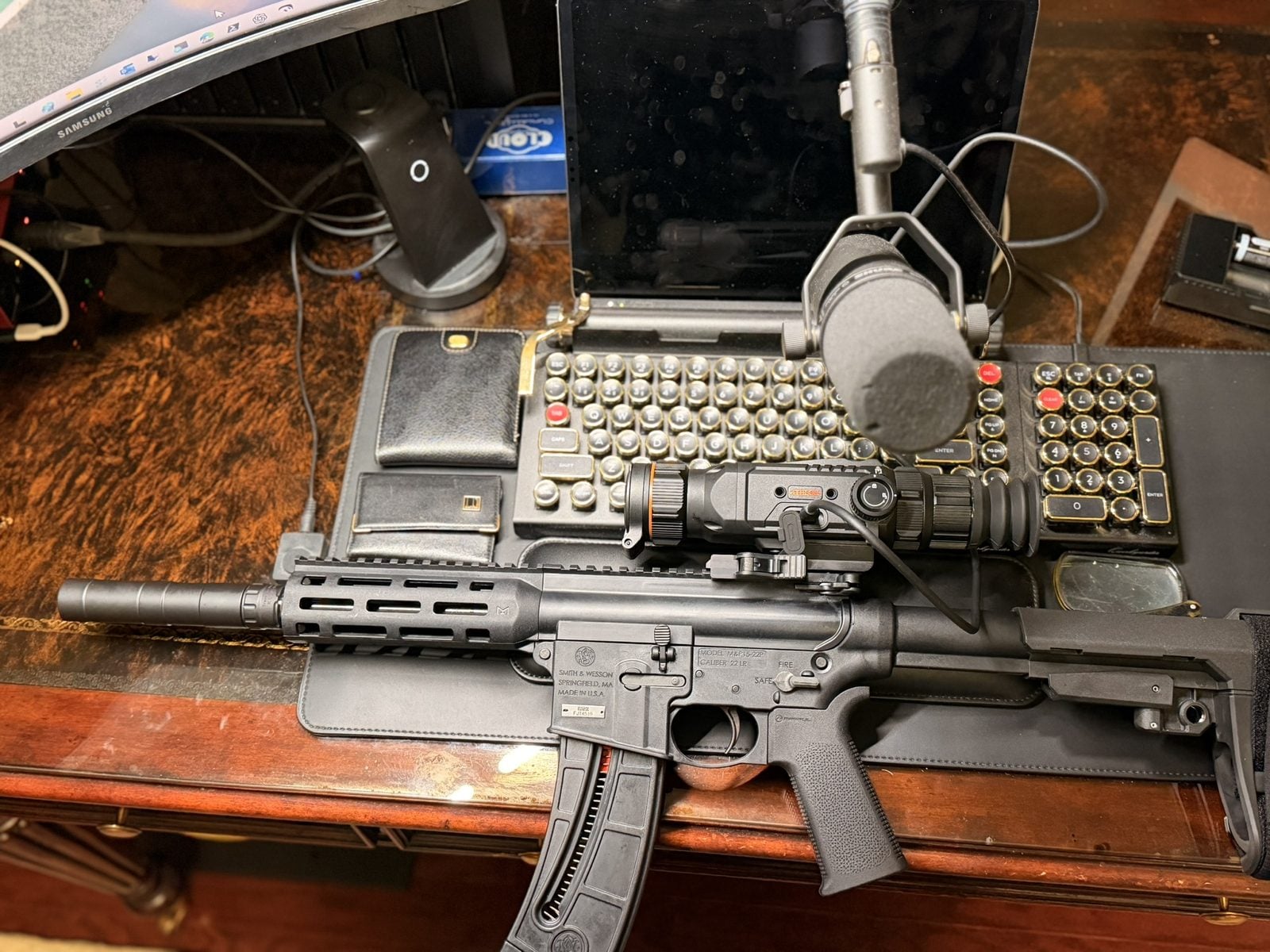
It's Thanksgiving 2026 as I finish this article, and we had the family over. After dinner, my sons-in-law did some target shooting, and it turned into a small field test of the gear pictured on this page.

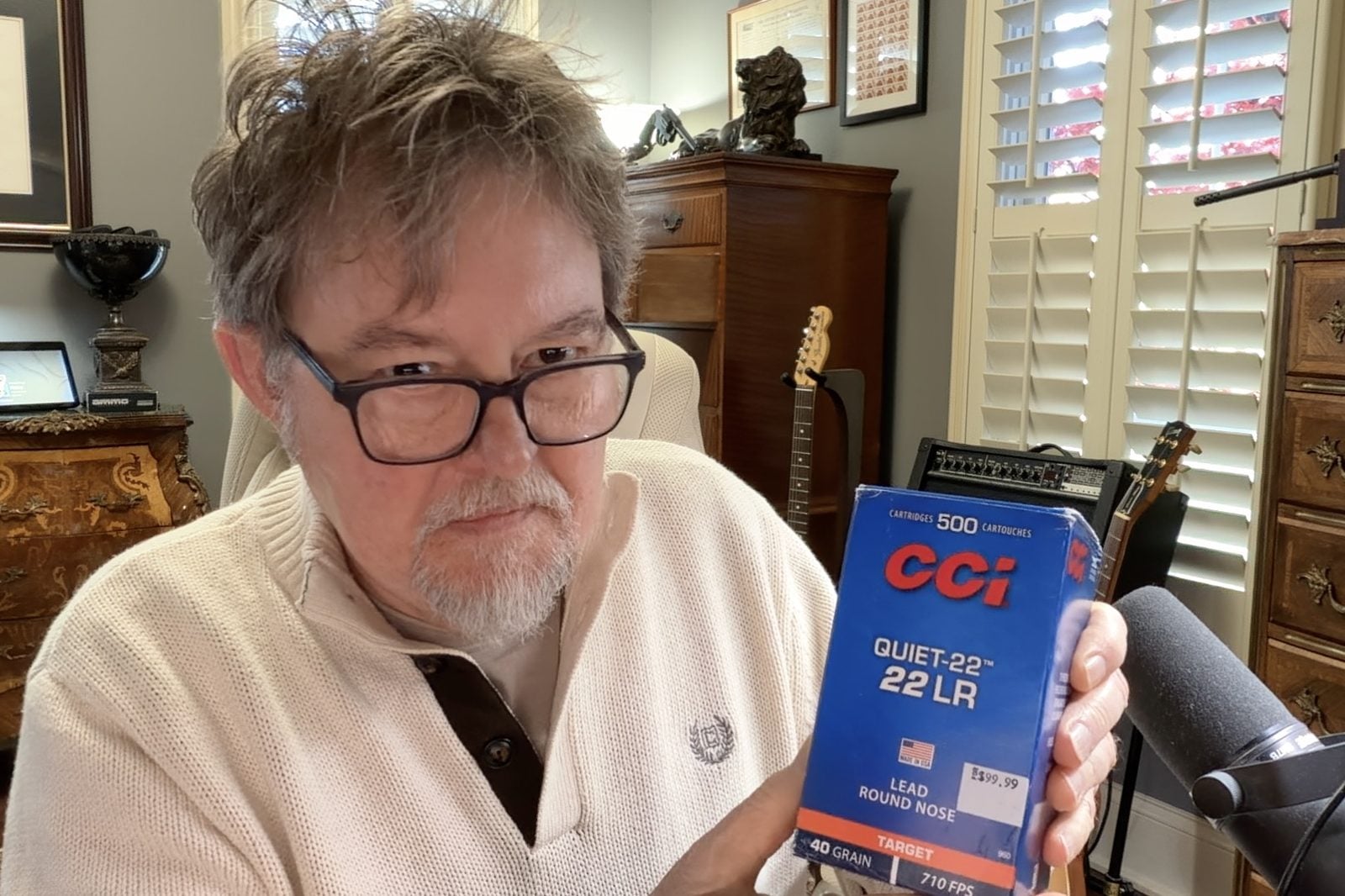
We shot CCI Quiet-22, a .22 LR load with a 40-grain lead round nose bullet rated at 710 feet per second on the box. It would not cycle the Smith & Wesson M&P15-22 pictured above. That isn't a knock on the rifle. A semi-automatic .22 uses the energy of each shot to work the action, and low-velocity ammunition like this often doesn't produce enough to do it. In the bolt-action .22 rifles, where you work the action by hand, it ran great.
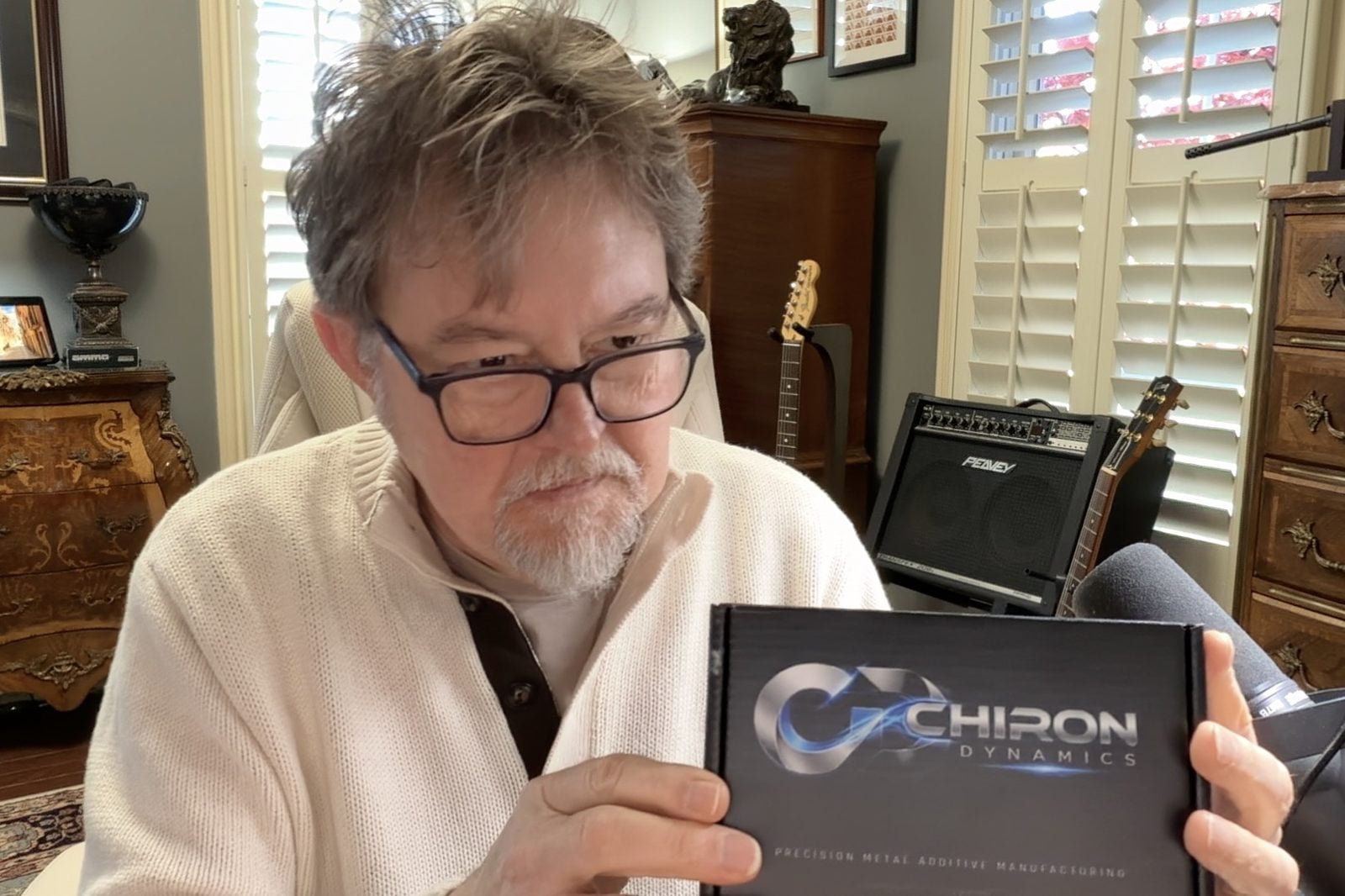
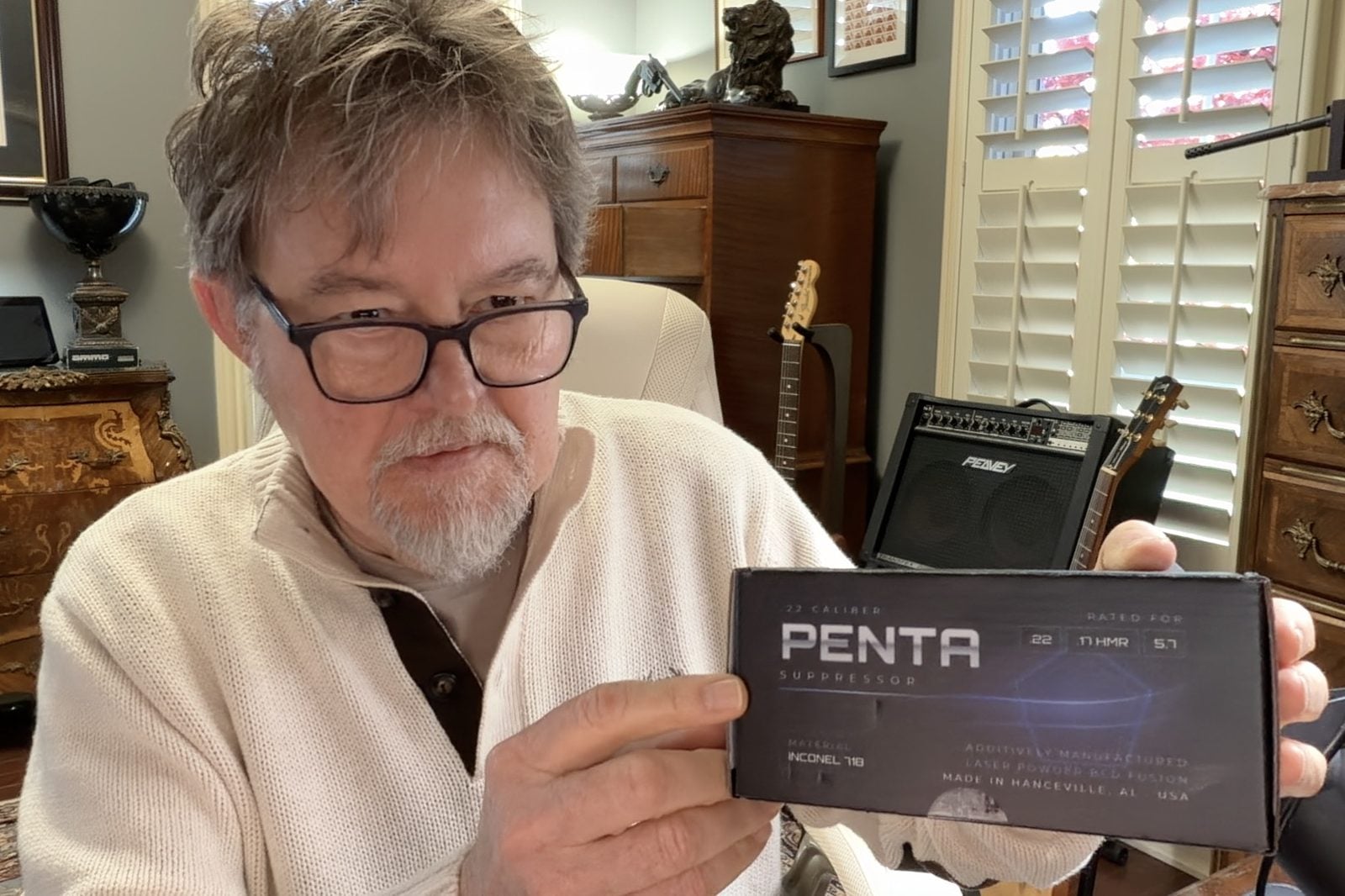
The suppressor pictured earlier is the Chiron Dynamics Penta .22, made in Hanceville, Alabama, according to the box. It sells for $320, which I think is a phenomenally low price for a suppressor.
My view is that prices like that will keep coming down. With the federal paperwork and wait gone, I think demand will rise, the market will adjust to the new openness, and prices will fall. I also don't believe Democratic control of Congress will hamper things. I think it may turn out like the Obama years, when sales skyrocketed. That's my opinion, not something I can prove, but it's where I'd put my money.
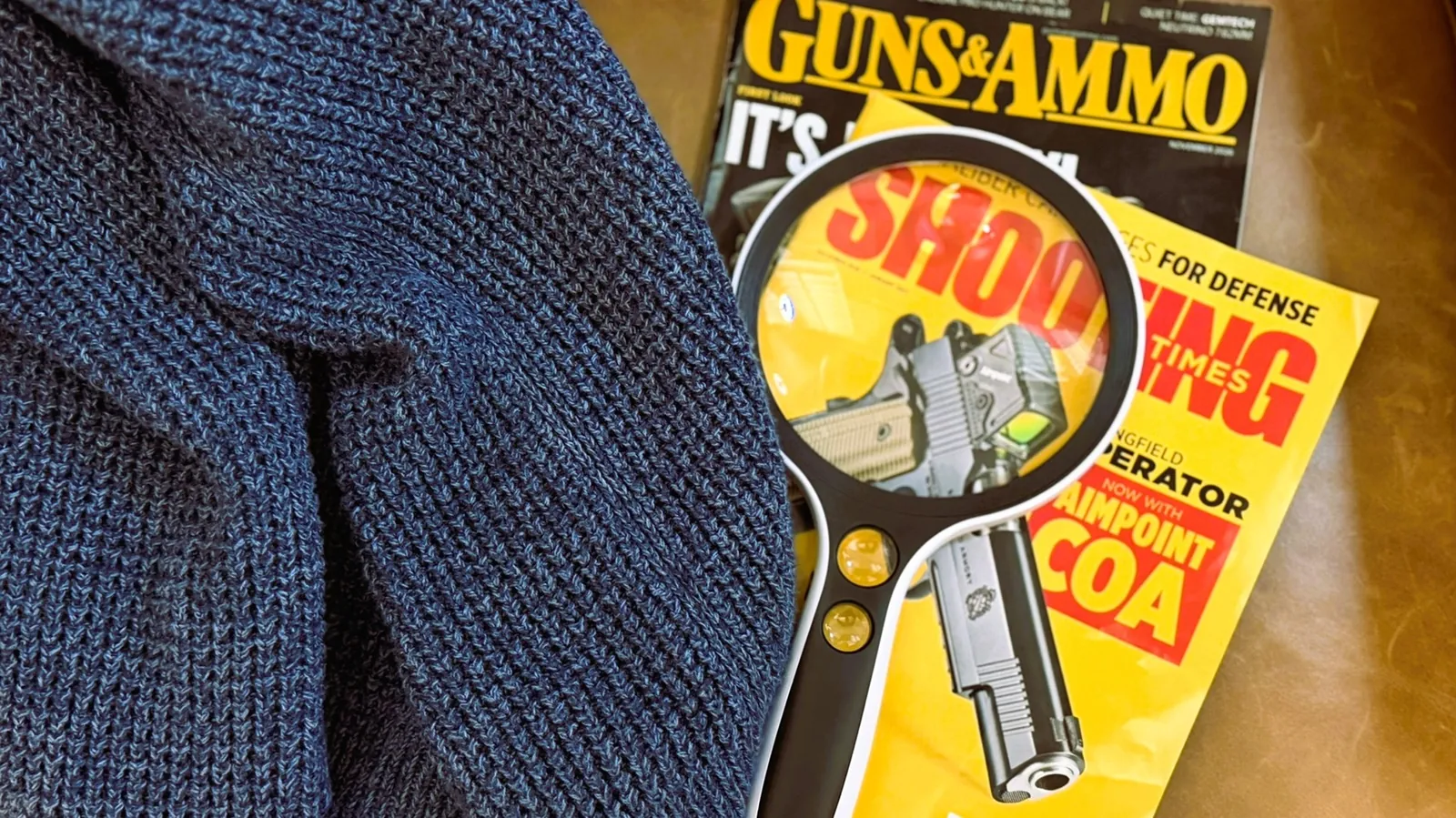
Fall also gives me more time for reading. I recently picked up an issue of Shooting Times, and my favorite article was “An Extraordinary Handgunner,” by Joel Hutchcroft, about Gil Hebard. I am fortunate to have one of Gil Hebard's personal firearms in my collection today, my 1946 Smith & Wesson K-22 Masterpiece, which stayed in his personal collection from 1950 until 1991. If you would like to know more about the man, I wrote about him in Gil Hebard: Champion Shooter, Innovator, and Patriarch of American Pistol Culture.

About Greg Cook
Greg Cook writes about firearms collecting, personal history, and the stories behind interesting guns. His Army MOS was 76Y, Unit Armorer, and he brings that practical background to his collector articles.
Disclaimer: This article is general information for collectors, not legal advice. Check current federal and state law, or ask a qualified attorney, before making, buying, selling, or transporting any NFA item.
References
- Silencer Shop Foundation v. ATF, No. 6:25-cv-056-H (N.D. Tex. Aug. 5, 2026), Memorandum Opinion and Order (Dkt. 136): https://www.govinfo.gov/content/pkg/USCOURTS-txnd-6_25-cv-00056/pdf/USCOURTS-txnd-6_25-cv-00056-0.pdf
- Same case, Final Judgment (Dkt. 137): https://storage.courtlistener.com/recap/gov.uscourts.txnd.406278/gov.uscourts.txnd.406278.137.0_1.pdf
- Solicitor General letter to the Speaker declining appeal, Sept. 24, 2026: https://www.justice.gov/oip/media/1465301/dl
- ATF Open Letter, Oct. 9, 2026: https://www.atf.gov/media/30961/download
- ATF FAQs accompanying the Oct. 9 Open Letter (copy posted by SAF): https://saf.org/wp-content/uploads/2026/10/FAQs-NFA-Guidance.pdf
- Congressional Research Service, IF13353, Nov. 17, 2026: https://www.congress.gov/crs_external_products/IF/PDF/IF13353/IF13353.2.pdf
- Congressional Research Service, IF13111, "The National Firearms Act and P.L. 119-21: Issues for Congress": https://www.congress.gov/crs-product/IF13111
- H.R. 6743, Medicare Investment and Gun Violence Prevention Act (119th Cong.): https://www.congress.gov/119/bills/hr6743/BILLS-119hr6743ih.htm
- S. 3512 (119th Cong.): https://www.congress.gov/bill/119th-congress/senate-bill/3512/actions
- Brown v. ATF, No. 4:25-cv-01162 (E.D. Mo.), Order of Oct. 6, 2026: https://storage.courtlistener.com/recap/gov.uscourts.moed.222254/gov.uscourts.moed.222254.111.0.pdf
- United States v. Peterson, No. 24-30043 (5th Cir., revised Dec. 2025): https://www.ca5.uscourts.gov/opinions/pub/24/24-30043-CR2.pdf
- Peterson v. United States, No. 25-1076, cert. denied Apr. 20, 2026: https://www.supremecourt.gov/docket/docketfiles/html/public/25-1076.html
- California DOJ Information Bulletin 2026-DLE-16, Sept. 18, 2026: https://oag.ca.gov/system/files/media/2026-dle-16.pdf
- The Trace, "The Federal Government Deregulated Gun Silencers. What Now?" Oct. 15, 2026: https://www.thetrace.org/2026/10/national-firearms-act-silencers-deregulated/
- The Hill, Senate reconciliation and NFA language (2025): https://thehill.com/homenews/senate/5374948-senate-gop-gun-silencer-short-barrel-rifle-fees-gop-megabill/
- AP, Democrats win House and Senate (Nov. 2026): https://apnews.com/article/midterm-election-house-senate-democrats-republicans-trump-f126e12e05b579a327b98481c0ae2226
- AP, House majority of at least 259 seats: https://apnews.com/article/democrats-house-majority-election-2026-congress-07b3ccbe60db7c1d3d3f3087d8fca721
- The Guardian, 56–44 Senate majority (Nov. 19, 2026): https://www.theguardian.com/us-news/2026/nov/19/democrats-senate-majority-midterms-trump
- Sonzinsky v. United States, 300 U.S. 506 (1937): https://supreme.justia.com/cases/federal/us/300/506/
- United States v. Miller, 307 U.S. 174 (1939): https://supreme.justia.com/cases/federal/us/307/174/
- Haynes v. United States, 390 U.S. 85 (1968): https://supreme.justia.com/cases/federal/us/390/85/
- District of Columbia v. Heller, 554 U.S. 570 (2008): https://supreme.justia.com/cases/federal/us/554/570/
- NFIB v. Sebelius, 567 U.S. 519 (2012): https://supreme.justia.com/cases/federal/us/567/519/
- New York State Rifle & Pistol Ass'n v. Bruen, 597 U.S. 1 (2022): https://supreme.justia.com/cases/federal/us/597/20-843/
- United States v. Rahimi, 602 U.S. 680 (2024): https://supreme.justia.com/cases/federal/us/602/22-915/