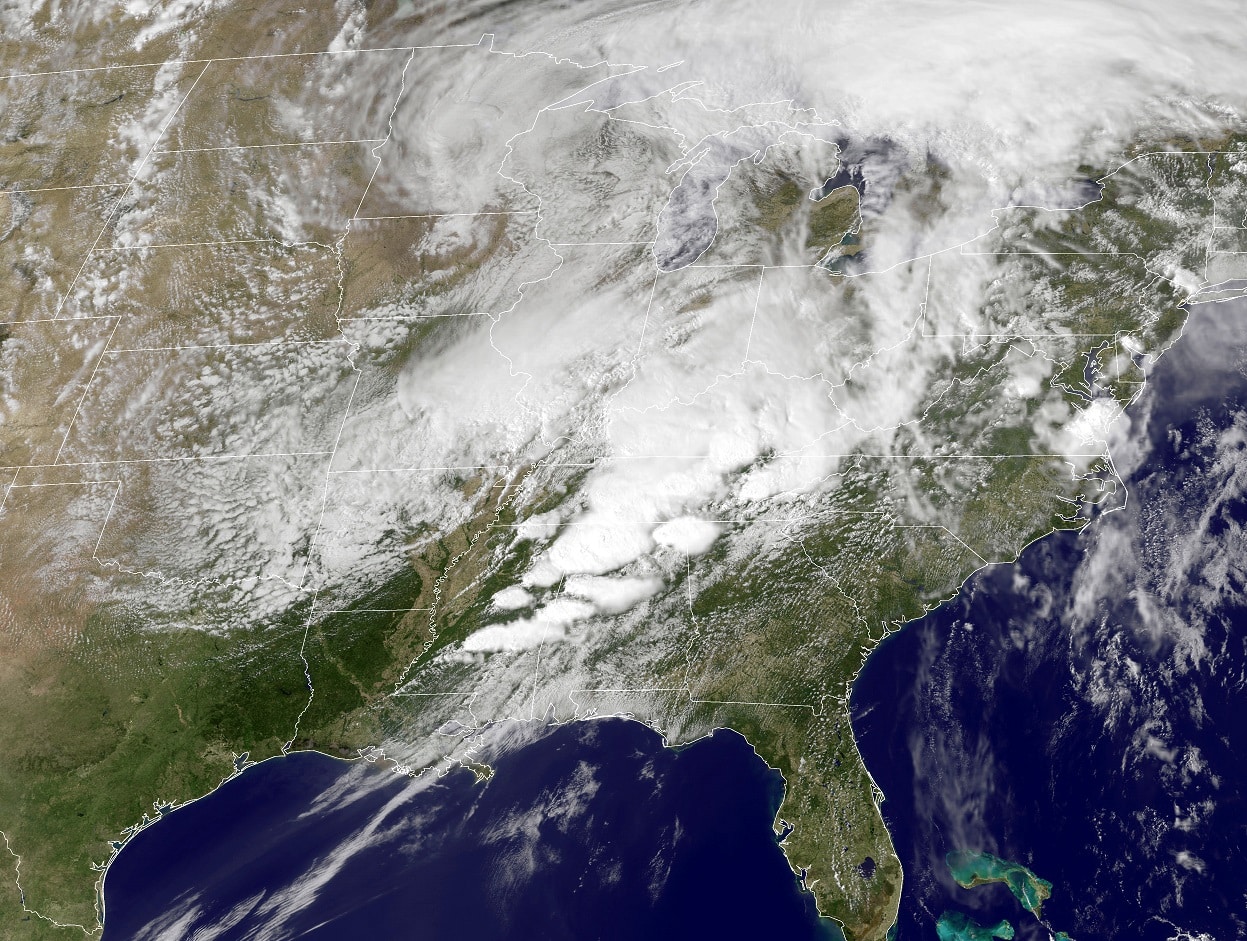
Over 200 tornadoes were reported during the 24-hour period of April 27, 2011 to April 28, 2011. More than 300 tornadic deaths were confirmed across the outbreak, with Alabama suffering the heaviest losses. As I recall those events, I think about how differently I would have handled those five days without power if I had already made the preparations I have made since then.
Hindsight is 20/20
As a result of the tornadoes, my town was without power for five days. During that time, gas stations could not pump gas. Many people lost all food that required refrigeration. This was the worst natural disaster that I have personally experienced.
The following year I had Generac natural gas generators installed at my home and office. The generators were the first step in preparing for a future disaster. Slowly, step by step, I realized I was making provision for other needs in a time of crisis.
Common-Sense Preparedness
My disaster preparedness began with small things: a well-stocked first aid kit, good quality flashlights, batteries and tools. I never considered myself a “prepper.” Proactively preparing for emergencies such as weather, natural disasters, civil disruption, or economic interruption is simply smart.
Know what disasters and hazards could affect your area, how to get emergency alerts, and where you would go if you and your family needed to evacuate.
The federal government’s Ready.gov emergency preparedness resources are a good starting point for basic planning.
Some People Go to Extremes
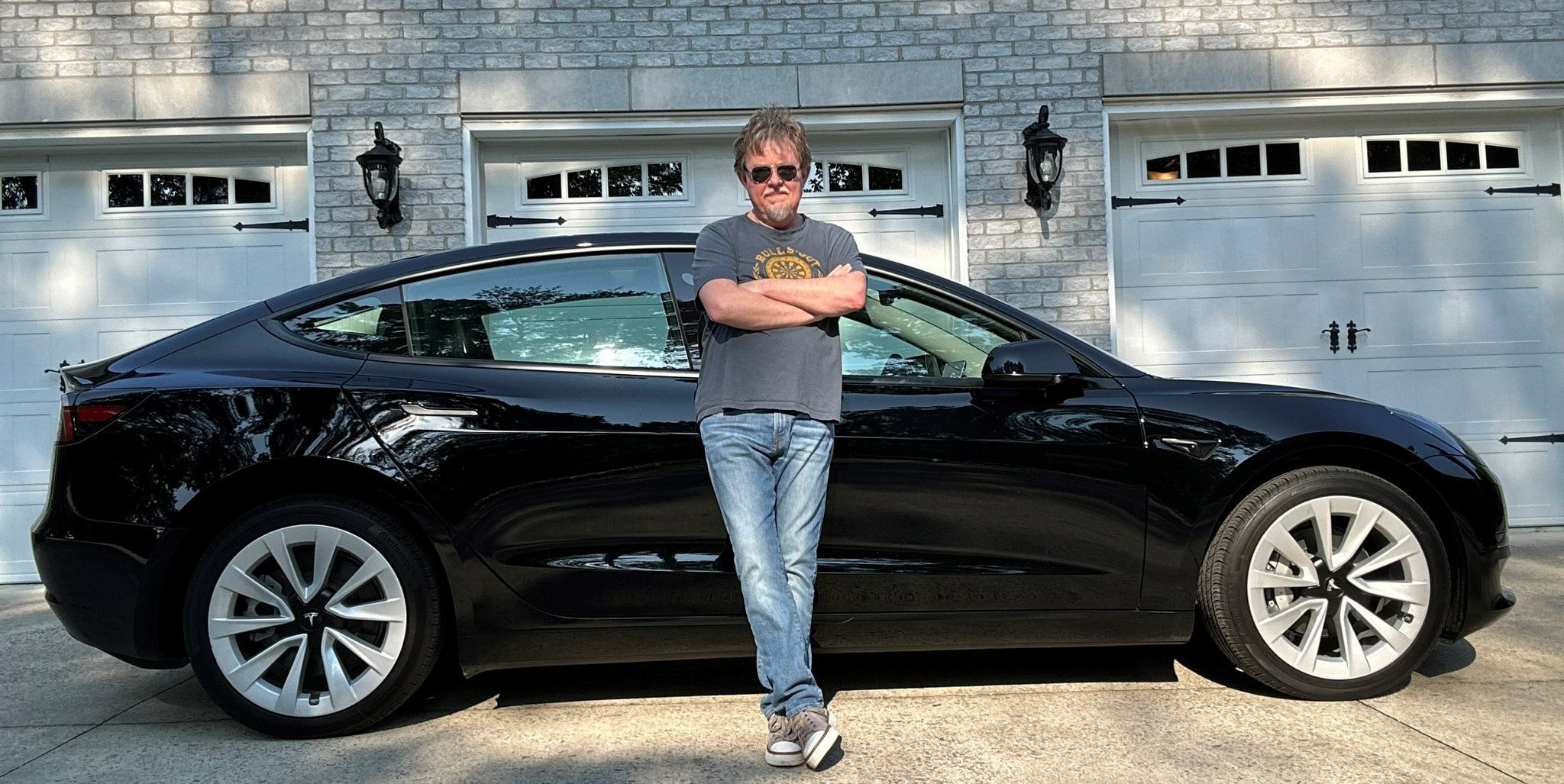
Some might say that adding a Tesla to my garage is an example of going to extremes. Consider it with an open mind for a moment. There is a finite amount of oil in the earth that can be harvested. At some point, whether in our lifetime or not, supply issues could become obvious.
What kind of panic do you think would ensue if fuel became unavailable for an extended period? If that happens, I have one advantage: I do not rely on a single kind of transportation energy.
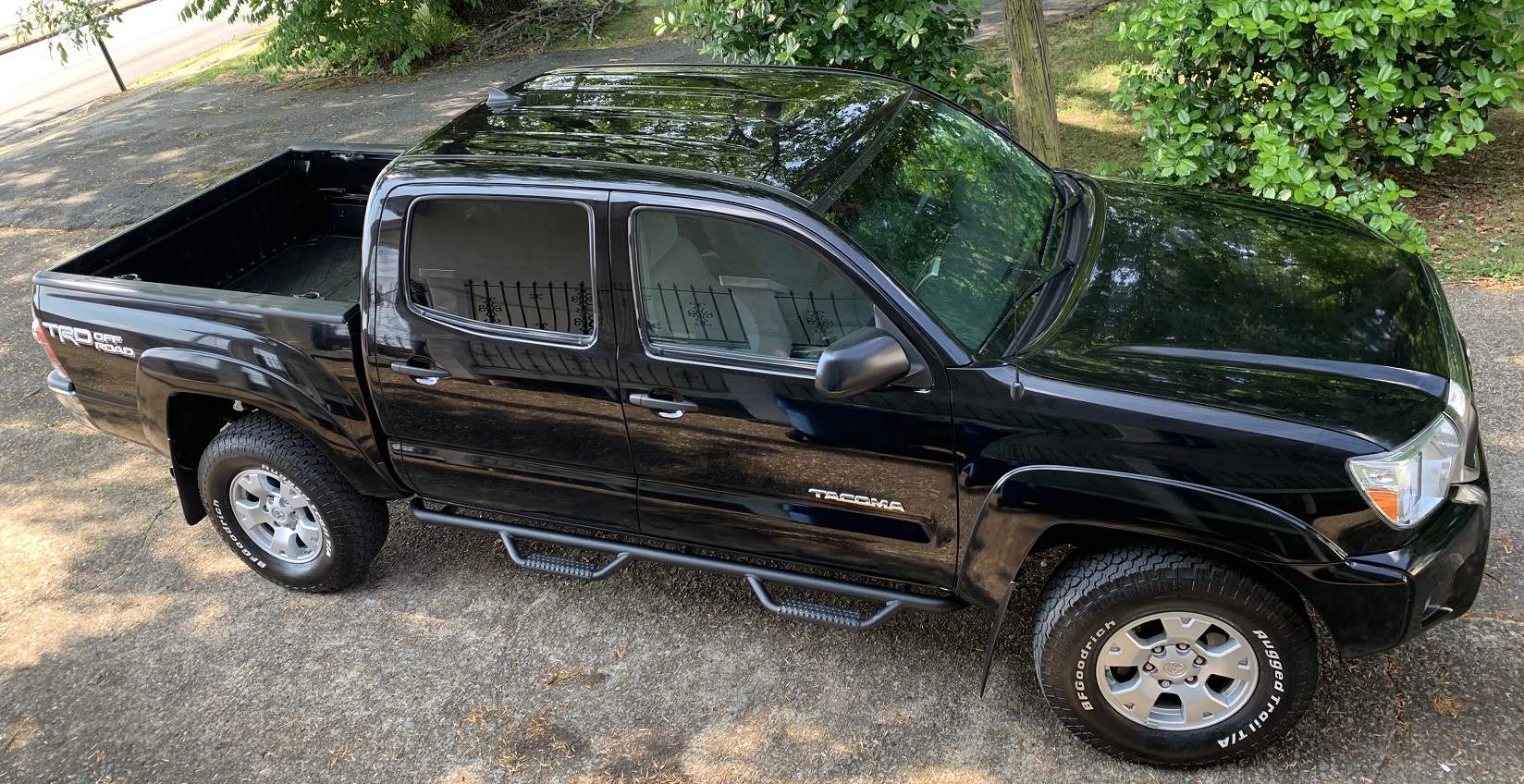
My trusty Tacoma that gets about 16 miles per gallon is still in the stable. There are times when you need four-wheel drive or a truck, and in those times a car simply will not do the job. Having a truck is a must. Having one vehicle that runs on gasoline and one that runs on electricity is just hedging your bets.
What If You Lose Access to Gasoline and Natural Gas?
In that case, you may need a horse. It just so happens that the radio in the Tacoma is a Midland 75-822 40 Channel CB-Way Radio, which can be used as a mobile or handheld device. I could clip that one on my belt and away I go — if I had a horse, that is.
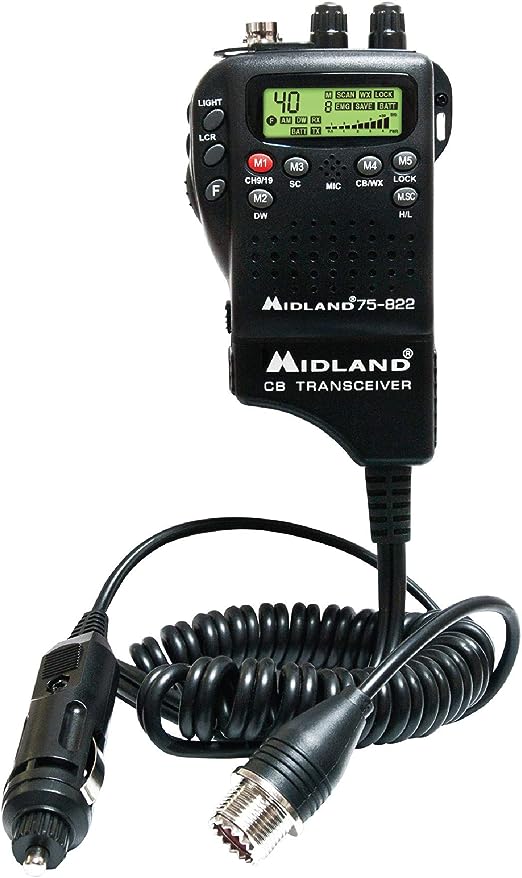
CB Radio Still Has a Place
The CB radio was very popular in the 1970s. As the years went by, the radios seemed to lose their popularity, but today’s radios have capabilities not available 50 years ago. The electric motor of my Tesla will cancel out some receive or transmit signals on the AM band. Luckily, the FCC opened up the FM band to CB users in 2021.
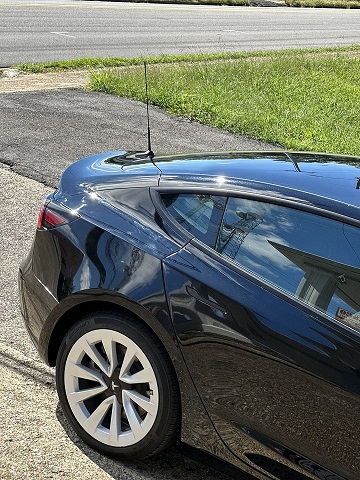
The trunk deck lid may be one of the few body panels on the 2023 Tesla Model 3 that is not aluminum. This magnet-mount antenna is the President Electronics New Virginia magnetic mount CB radio antenna.
The radio I have installed in the Tesla is an AM/FM transceiver. There are 40 channels available on either band in addition to the seven weather channels. I can use the AM channels when the car is not traveling. I can use the FM channels while the car is in motion or stationary.
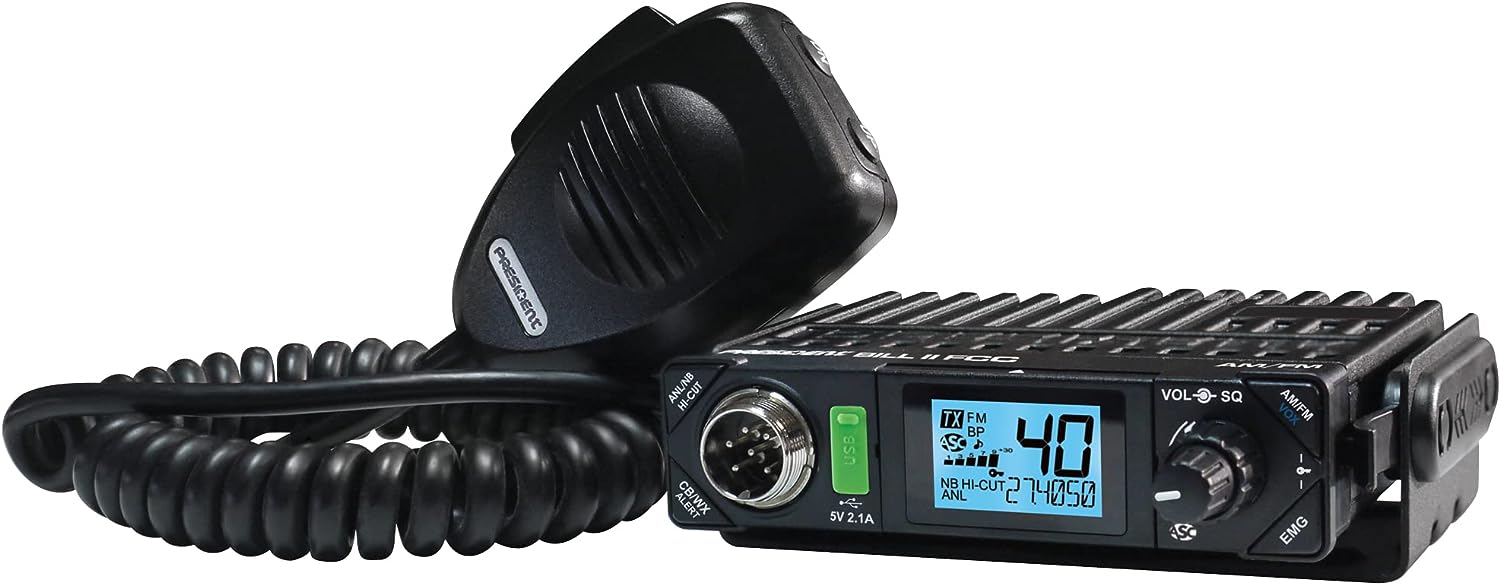
One of my favorite sayings is, “almost everything in life has a good side and a bad side.” The bad side of transmitting in FM mode on a citizens band radio is that the higher quality audio generally travels a shorter distance than the AM mode signal. One thing I like best about FM mode is less interference from skip or DX propagation.
The Unofficial Prepper CB Network
The unofficial prepper CB network is Channel 3, AM 26.985 MHz. In preparing for a disaster, you may want to talk to others and exchange information. If landlines are down and cell towers are down, these communication devices may be the last available resort.
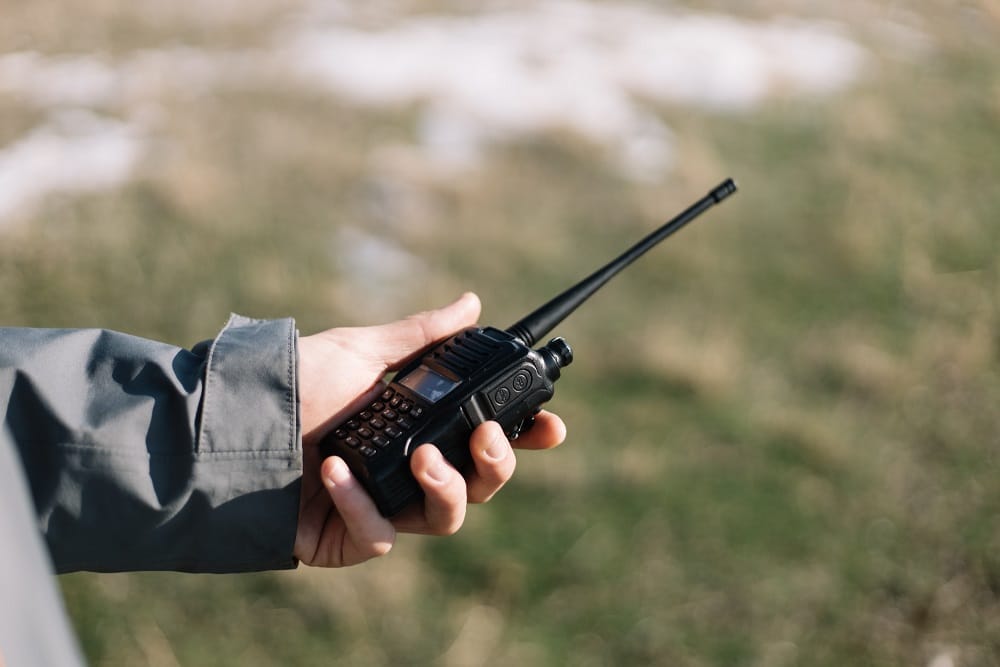
Just as cell phones rely on working towers, many ham radio setups rely on repeaters. An amateur radio repeater receives a weak or low-level signal and retransmits it at higher power, allowing the signal to cover longer distances. GMRS radios can also be part of a layered communications plan.
Things to Consider
Whether you prep a little or prepare a lot, have a plan in case disaster strikes. Always have firearms secured but accessible. Do not be a “preparanoid.” Use common sense, avoid overcommitting to any single idea, and stay flexible.
- Stash some cash
- Food and water
- Backup power
- Fuel sourcing and transportation
- Communication
- Gear, tools and supplies
- Shelter-in-place plan
- Bug-out or evacuation plan
A preparanoid will convert cash to gold and hoard it. In my opinion, gold may be more useless than paper money in many real emergencies. After all, you could start a fire with paper. If the crisis is not that bad, your paper money may still spend. If the crisis is apocalyptically bad, gold may not help you nearly as much as water, food, fuel, medicine, tools and communications.
The Department of Homeland Security and FEMA websites are good sources of information related to preparing for disasters and emergencies. September is National Preparedness Month, an annual observance to remind Americans that individuals, families, businesses and communities should be prepared for emergencies that can happen at any time.
Until next time, I’m Whiskey-Romeo-Yankee-Kilo-7-5-3 and I’m 10-7.
Prepper Essentials I Keep in Mind
For readers building a practical emergency kit, I keep a curated list of prepper essentials, radio gear, lighting, storage, tools, and basic supplies that fit the common-sense approach described in this article.
Shop Prepper EssentialsAs an Amazon Associate I earn from qualifying purchases. I only link to products, books, tools, and accessories that fit the editorial purpose of Gun Collectors Club.

About Greg Cook
Greg Cook writes about firearms collecting, practical preparedness, personal history, and the stories behind interesting guns. His Army MOS was 76Y, Unit Armorer, and he brings that practical background to his collector articles.