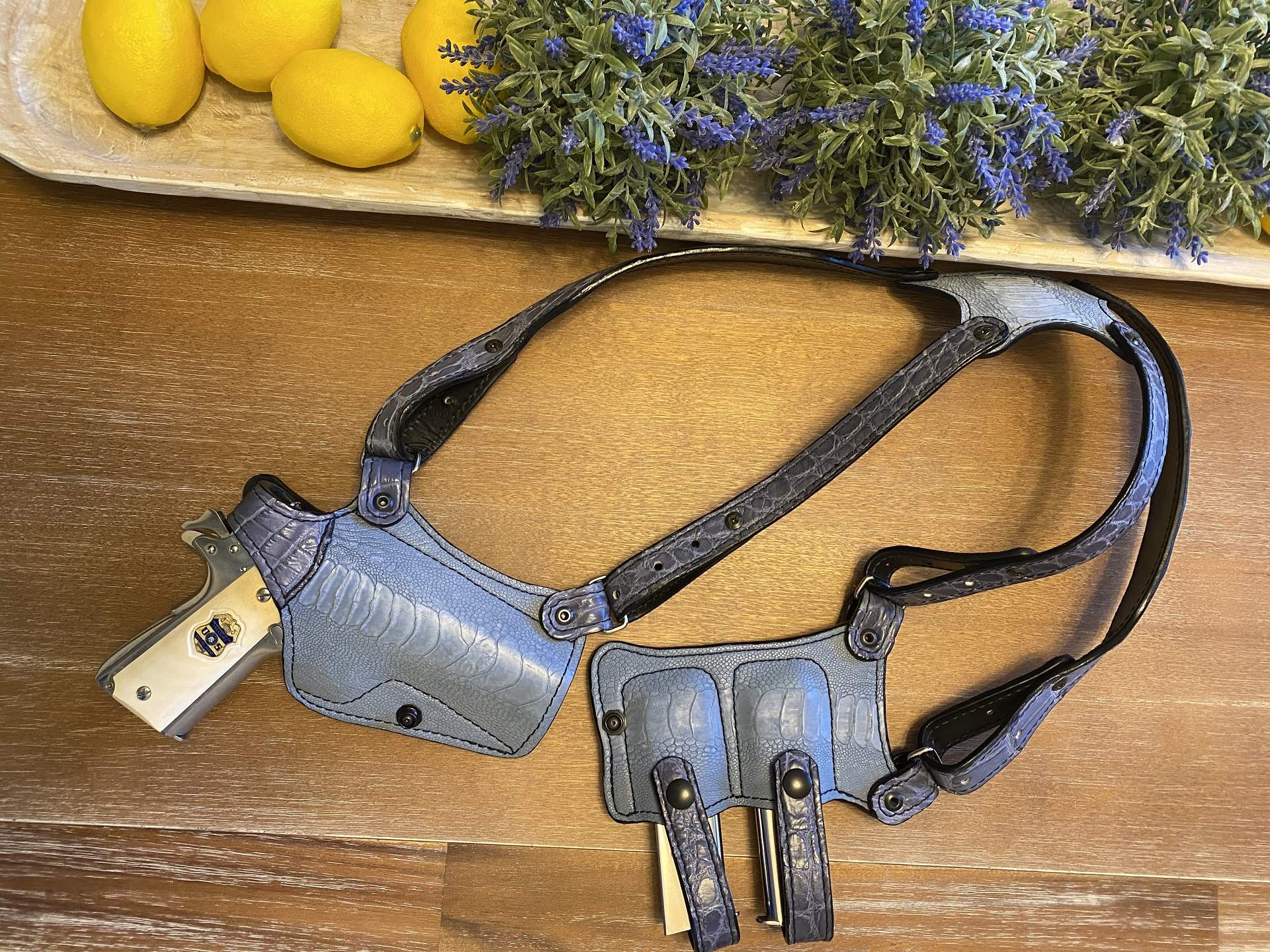
Gun leather sits at the intersection of utility, craftsmanship, and collecting. A holster can be practical, beautiful, personal, and historically interesting at the same time.
The Craft and Culture of Gun Leather
From rugged holsters associated with the Old West to modern concealed-carry rigs, leather reflects a long history of adaptation. The best examples are not merely containers for firearms. They show choices about material, fit, finish, hardware, and intended use.
Over the years I have learned two lessons: if I buy a holster that does not work for me, I get rid of it because it will never magically begin working for me; and if I buy a holster that does work, I keep it forever, even if I sell or trade the gun it was paired with.
Exotic Skins and Collector Interest
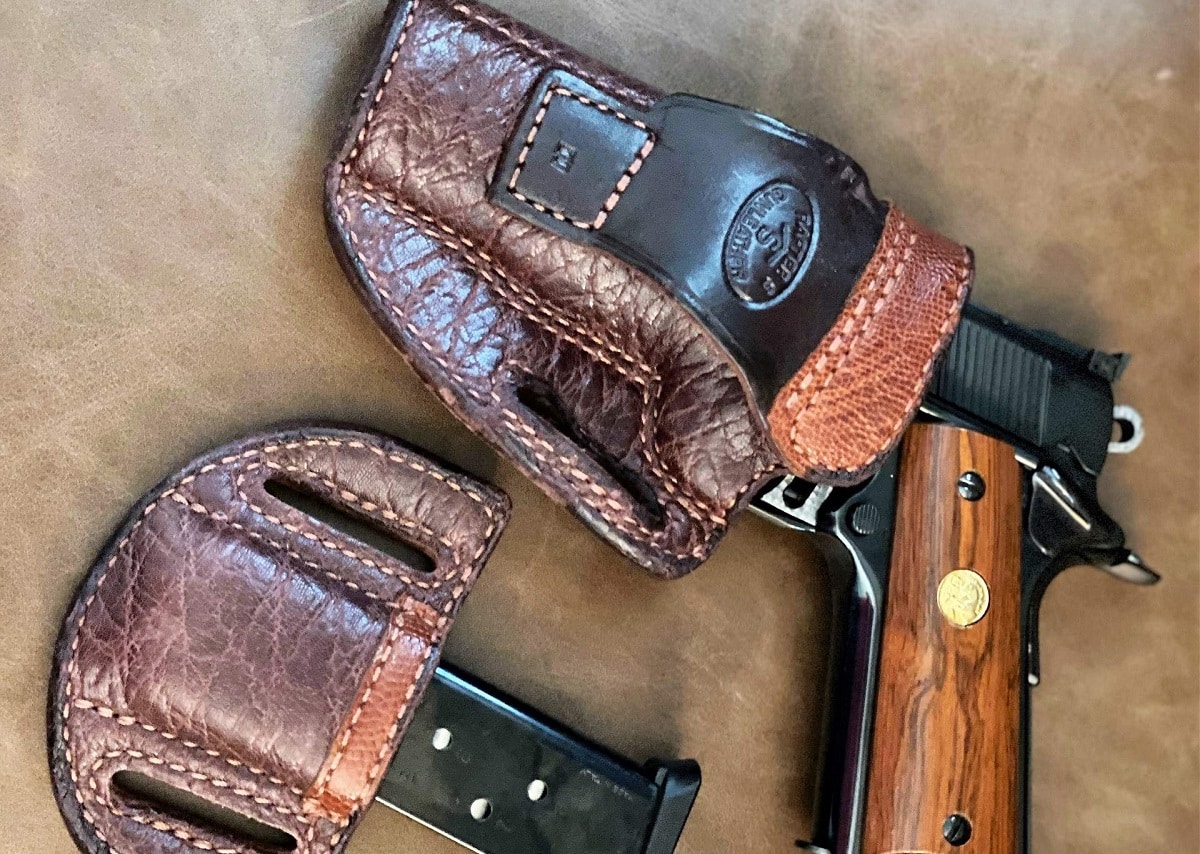
Exotic skins each have a different look and feel. Sharkskin is tough and has a unique texture. Ostrich is soft and flexible. Crocodile and alligator have a visual appeal that is instantly recognizable. Elephant hide is durable but also subject to significant legal and conservation considerations, so buyers should understand the rules before purchasing anything made from it.
- Sharkskin: strong texture and daily-use durability
- Ostrich: soft, flexible, and distinctive
- Alligator or crocodile: visually dramatic and traditional in custom leather
- Elephant: durable but legally and ethically complicated
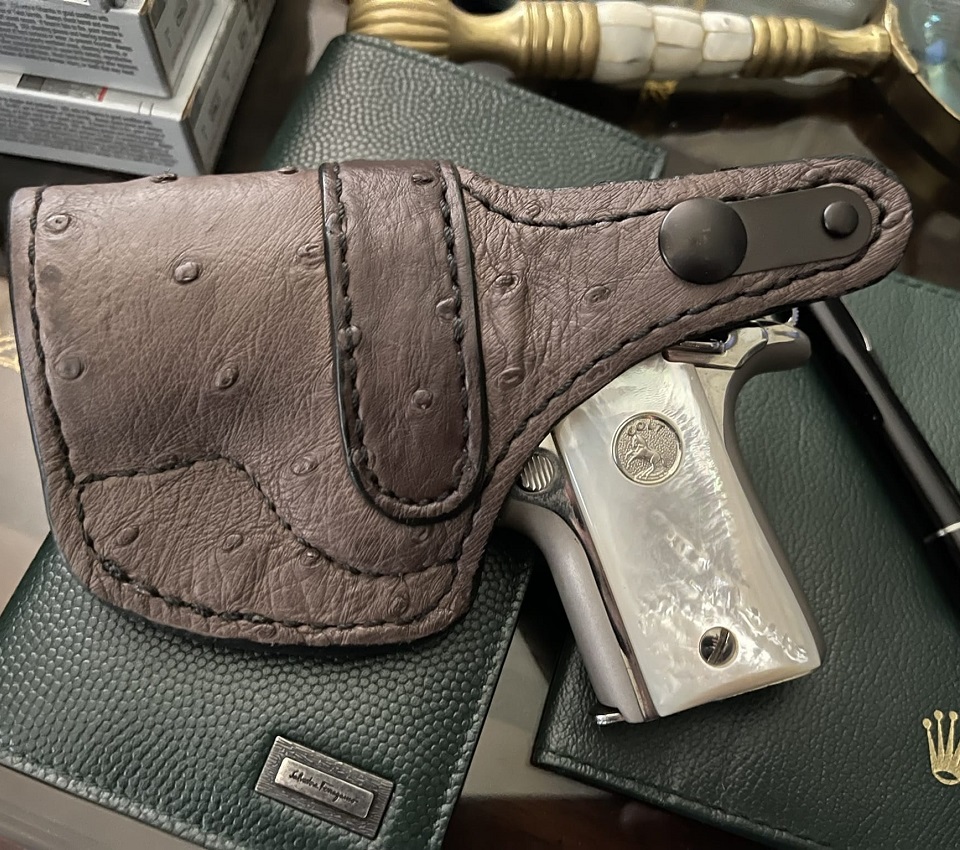
Ultimately, the choice of exotic skin is up to the end user — but the leather must still do its job.
Fit, Use, and Preservation
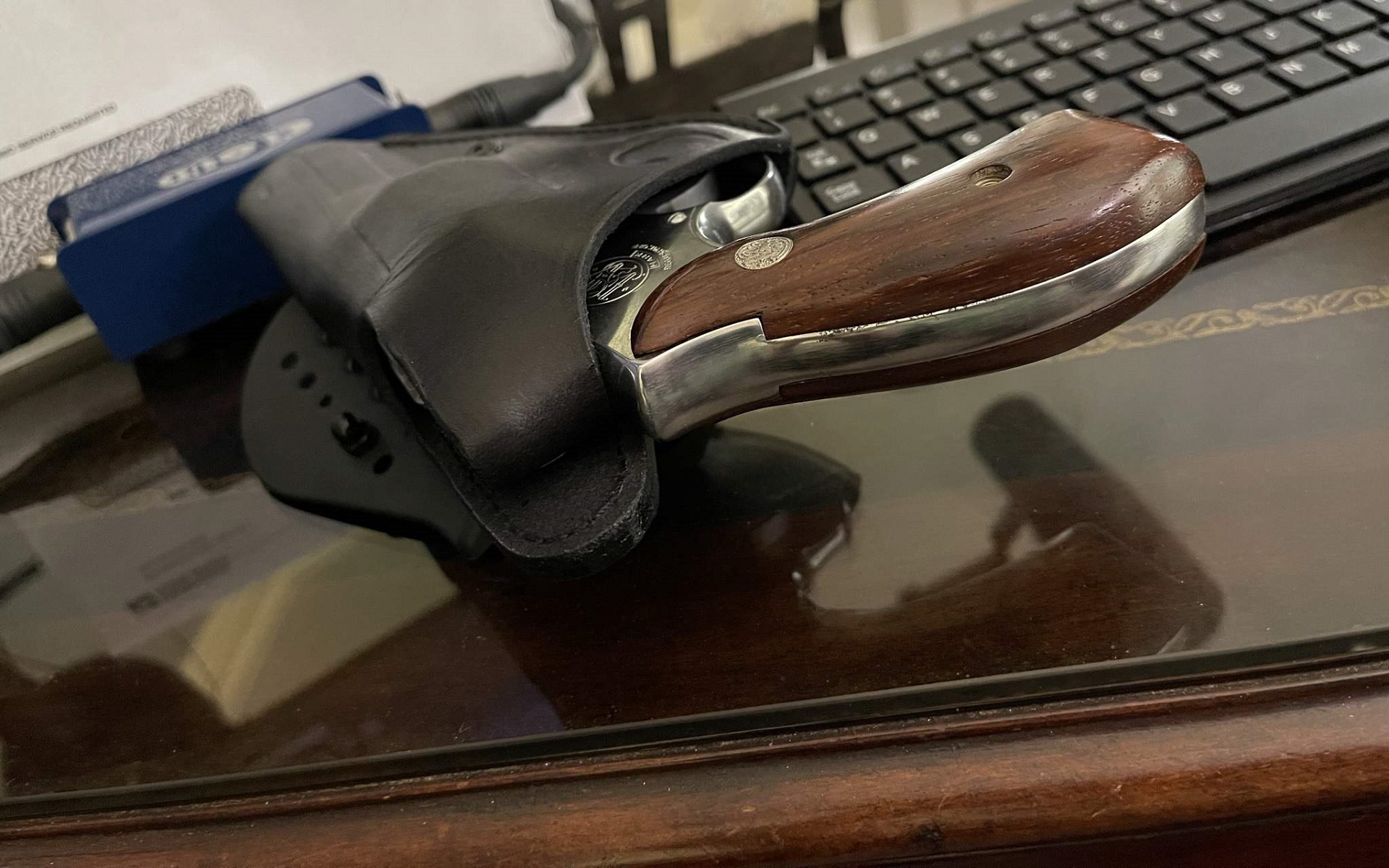
Good gun leather should match the firearm, the person, and the way the piece will actually be used. A holster that is beautiful but uncomfortable will sit in a drawer. A holster that is convenient but rough on a collector-grade finish may be the wrong choice for a valuable gun.
Collector Takeaway
The best leather earns its place in the collection. It protects the firearm, works with the owner’s habits, and carries its own story of use, taste, and craftsmanship.

About Greg Cook
Greg Cook writes about firearms collecting, personal history, and the stories behind interesting guns. His Army MOS was 76Y, Unit Armorer, and he brings that practical background to his collector articles.