
Gun Collecting
Gun collecting offers a unique opportunity to learn about history, engineering, and craftsmanship. Each firearm has its own story, often tied to historical events or technological advancements. Collectors often become amateur historians, delving into the rich histories of their pieces.
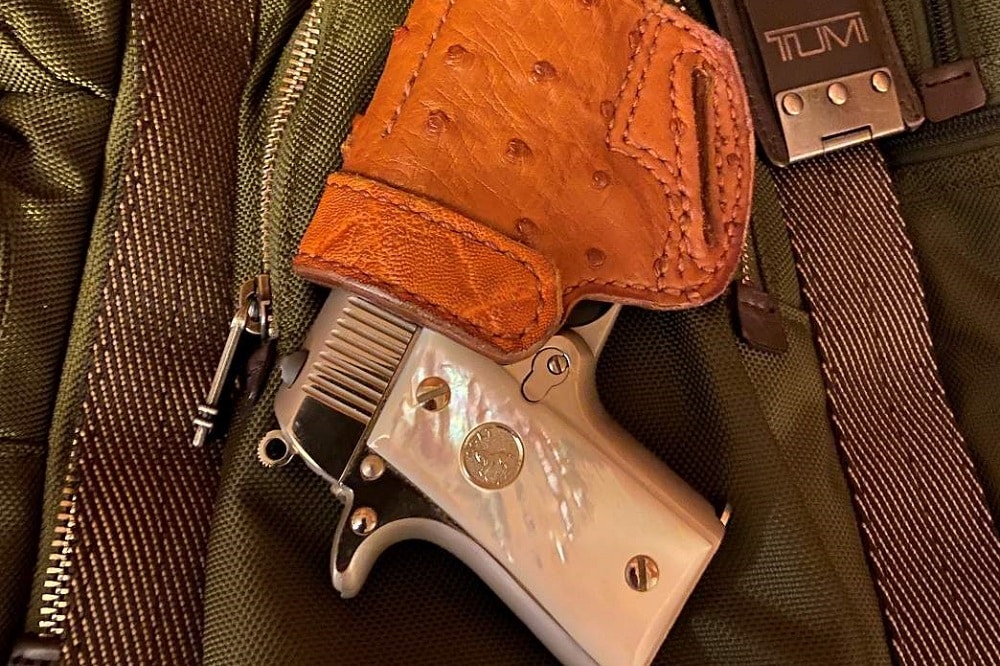
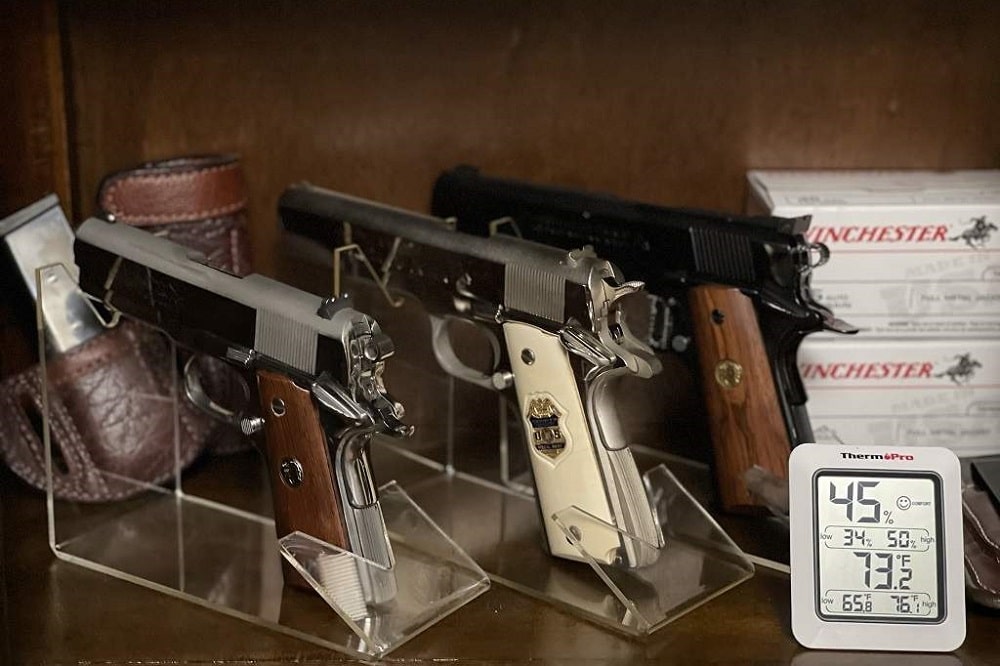
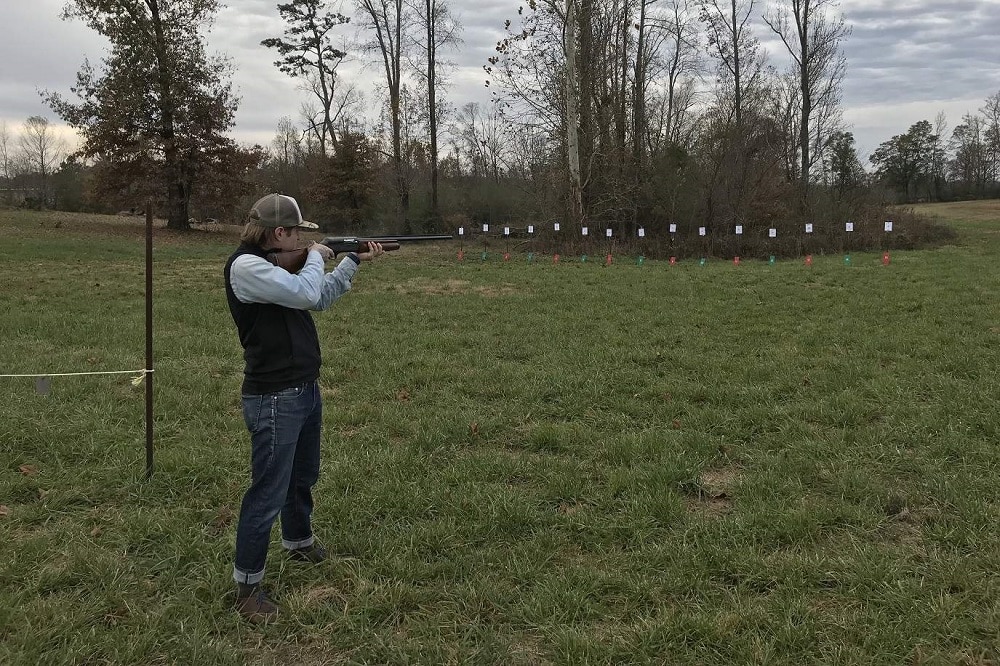
Collecting Vintage and Modern Guns as a Hobby
Collecting vintage and modern guns as a hobby involves several key aspects. The best collections are usually built with research, patience, legal awareness, community, and careful preservation.
| Aspect | Collector Notes |
|---|---|
| Research and Knowledge | Collectors often invest time in researching the history, models, and manufacturers of guns. This includes understanding the specific time periods, technological innovations, and historical significance of each firearm. Books, online forums, and historical documents are valuable resources for this. |
| Networking and Community | Building relationships with other collectors, joining gun clubs, and participating in online forums and social media groups can be crucial. These networks provide opportunities to learn, buy, sell, and trade firearms, as well as share information and experiences. |
| Legal Considerations | Understanding and complying with local, state, and national laws regarding the ownership, transfer, and display of firearms is essential. This may include obtaining necessary licenses, registrations, and adhering to specific legal requirements for storing and transporting the guns. |
| Acquisition | Collectors acquire guns through various channels such as auctions, private sales, gun shows, and antique shops. They must be knowledgeable about the value, condition, and authenticity of the guns they are considering for purchase. |
| Preservation and Maintenance | Proper maintenance and preservation are crucial to keep the firearms in good condition. This includes appropriate cleaning, storage in controlled environments, and sometimes restoration work. |
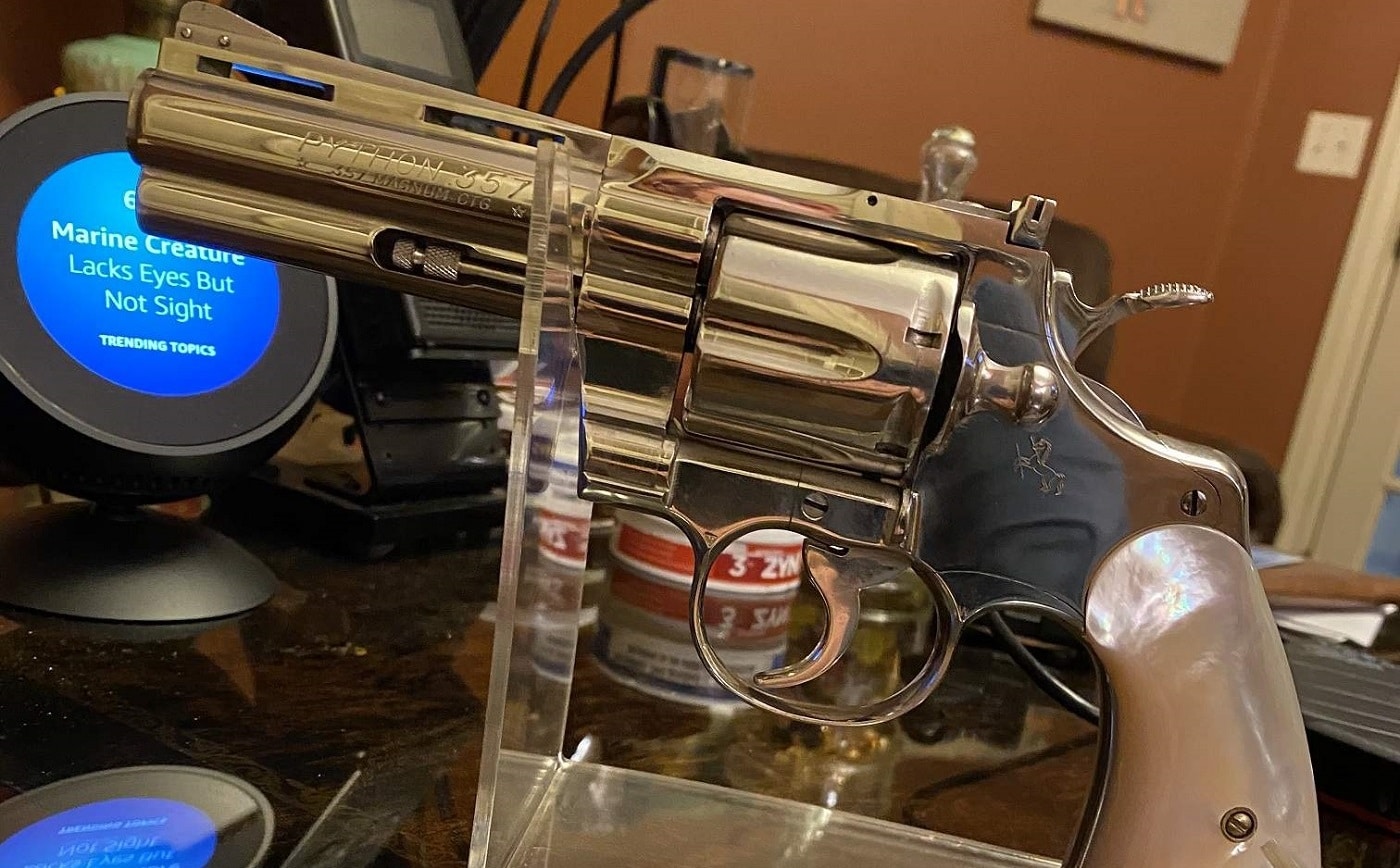
Community and Camaraderie
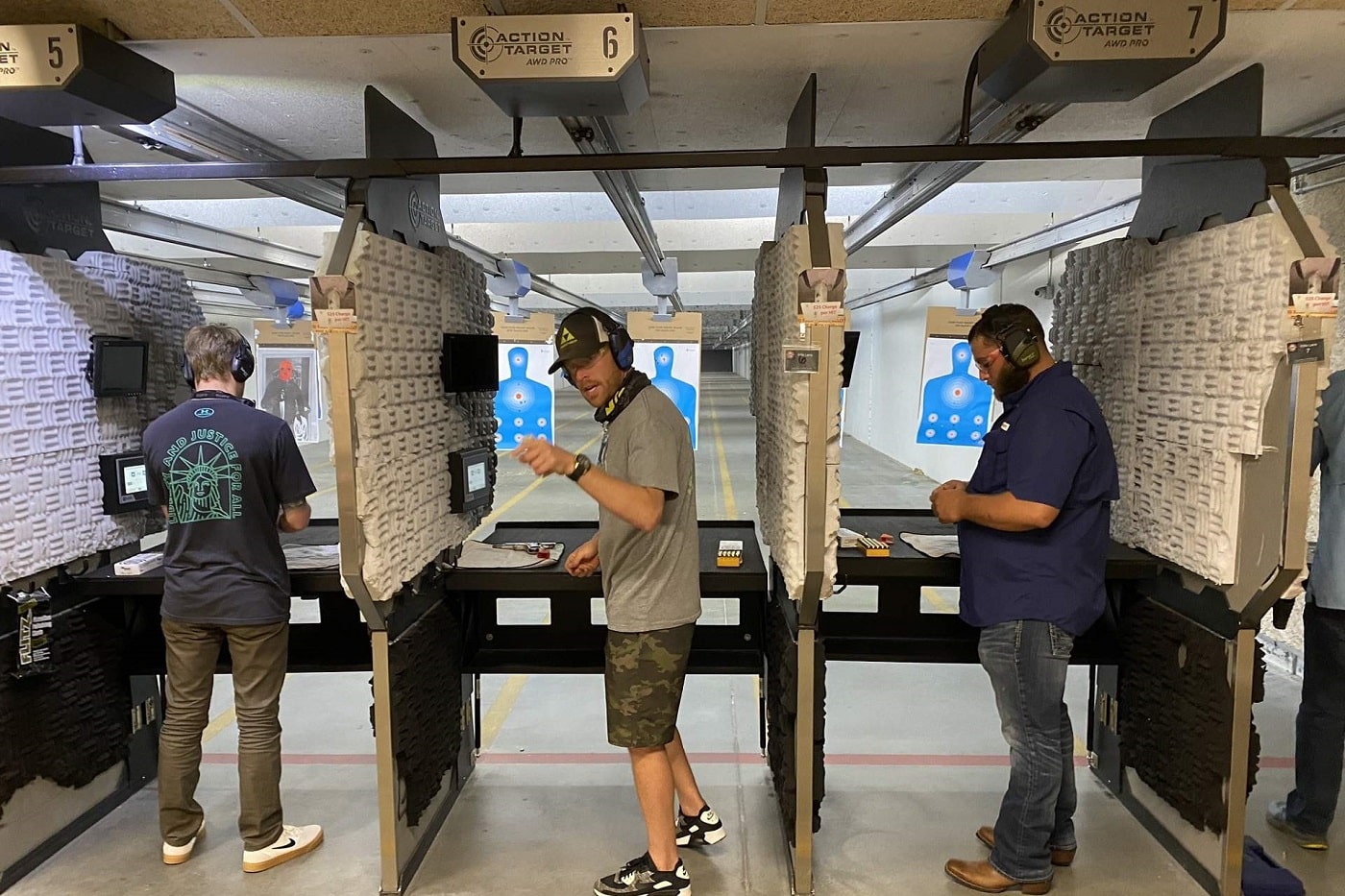
The hobby fosters a sense of community among collectors. Clubs, online forums, and gun shows provide platforms for enthusiasts to meet, exchange knowledge, share experiences, and even trade pieces. This social aspect can be very rewarding.
Responsible Collecting
Overall, collecting vintage and modern guns is a hobby that requires a blend of passion, knowledge, responsibility, and adherence to legal and ethical standards.
| Practice | Why It Matters |
|---|---|
| Documentation and Authentication | Keeping detailed records of each gun's history, provenance, and condition is important. This can involve seeking authentication or appraisals from experts to verify the gun's origin and value. |
| Ethical Consideration | Responsible gun collecting involves ethical considerations, such as ensuring that the collection does not glorify violence or conflict. Many collectors focus on the historical, technological, and artistic aspects of the firearms. |
| Financial Aspect | Gun collecting can be an expensive hobby, with some vintage firearms being quite valuable. Collectors often have to budget and plan their acquisitions carefully. |
| Safety | Ensuring safety is paramount. This includes secure storage to prevent unauthorized access, particularly if there are children in the home, and following safety protocols when handling the firearms. |
| Sharing and Displaying | Many collectors enjoy sharing their collections with others, whether through social media, participating in exhibitions, or lending to museums. Displaying the collection in a safe and aesthetically pleasing manner is also a part of the hobby. |

Appreciation of Craftsmanship
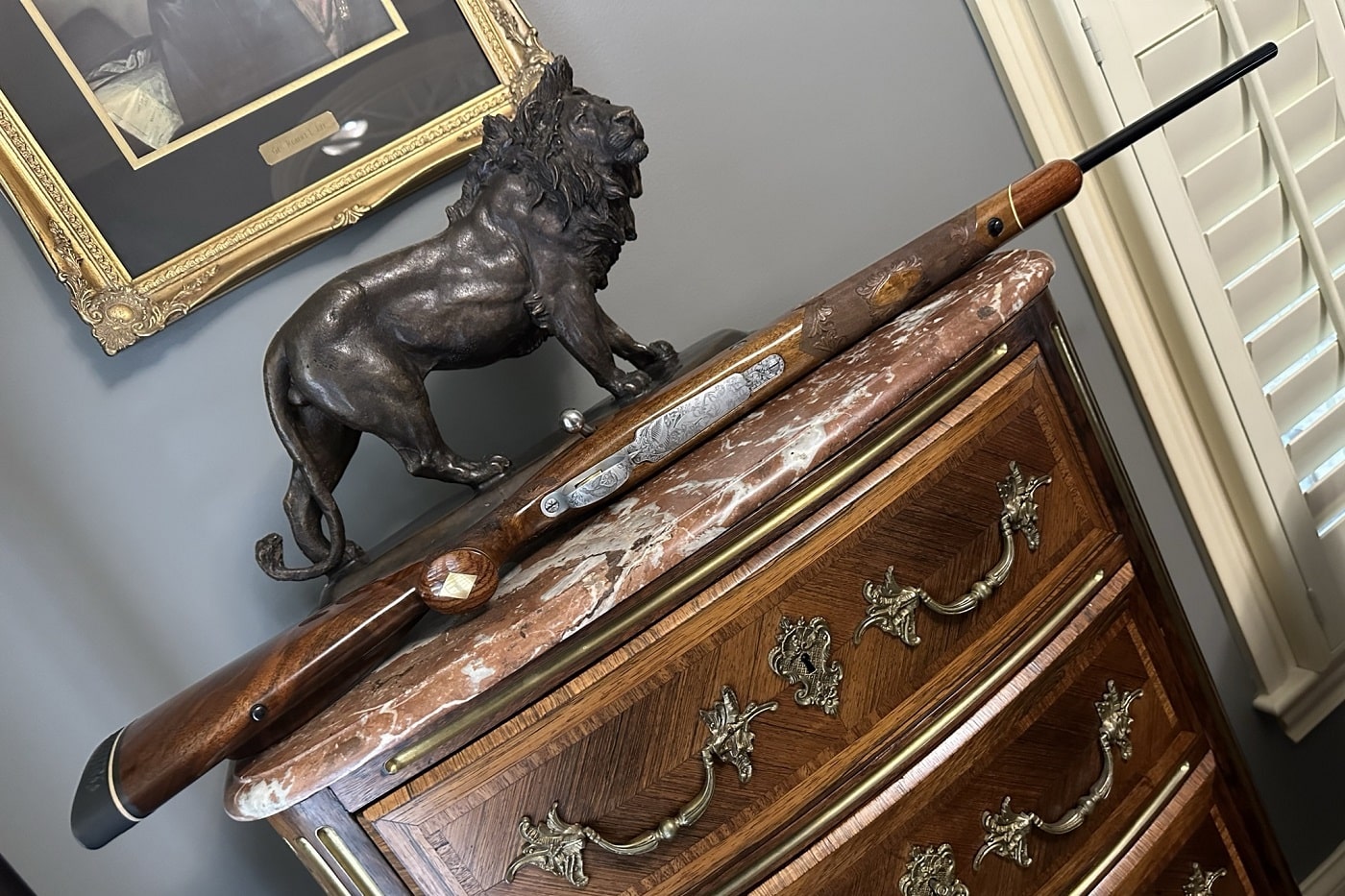
Vintage guns are often admired for their craftsmanship. Collectors appreciate the artistry and skill involved in the manufacturing of these firearms. The intricate designs, metalwork, and woodcraft can be akin to collecting works of art.
Investment Potential
Many vintage guns appreciate in value over time, making them not just a hobby but also a potential investment. Collectors often take pride in identifying and acquiring pieces that are not only historically significant but may also be financially valuable.
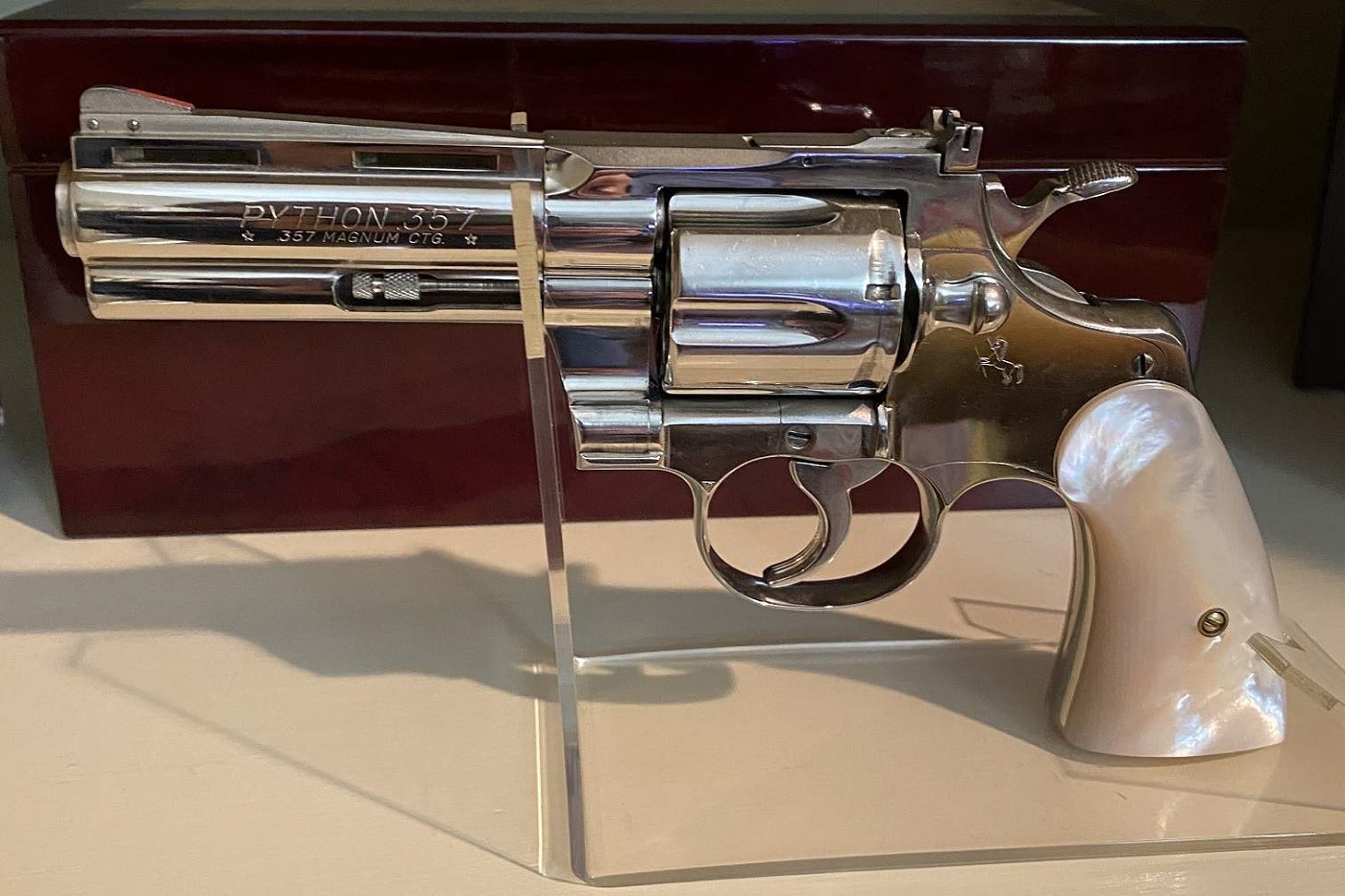
Beyond all, collecting vintage guns can be deeply satisfying on a personal level. It combines the thrill of the hunt for rare items, the joy of learning and discovery, and the pride of preserving pieces of history.
Some Terminology Tips
Gun collectors use a variety of specialized terms that reflect the nuances of firearm history, design, and collecting. Here are some key terms that are unique to gun collecting:
- Provenance: The history of a firearm's ownership. In collecting, provenance can significantly increase the value of a firearm if it was owned by a notable person or used in a significant historical event.
- Matching Numbers: When all parts of a firearm have serial numbers that match, indicating that the parts are all original to that specific firearm. This is particularly important for the value and authenticity of collectible guns.
- Patina: The surface change of metal due to aging and exposure. A natural patina can be desirable, as it shows the firearm has not been improperly restored or altered.
- NIB (New in Box): Refers to a firearm that is in its original packaging and has never been used. This is highly desirable among collectors for its preserved condition.
- C&R (Curio and Relic): Firearms that are officially designated as "Curios or Relics" by governments, like the U.S. Bureau of Alcohol, Tobacco, Firearms and Explosives (ATF). These are typically firearms which are over 50 years old and are collectible due to some historical significance.
- Takedown: A type of firearm that can be broken down into major components for easier transport and storage. This term is often used in reference to older sporting rifles and some shotguns.
- Blueing: A process by which steel is partially protected against rust, and is given a blue-black finish. The condition of the blueing can significantly affect a firearm's value.
- Boxlock and Sidelock: Types of locking mechanisms for break-action shotguns and rifles. Sidelocks are generally considered more traditional and are often more desirable among collectors.
- Engraving: Decorative patterns or scenes etched into the surface of a firearm. High-quality engraving done by well-known artists can significantly increase a firearm's value.
- Bore Condition: Refers to the internal condition of the barrel of a firearm. Good bore condition is crucial for both the operability and collectibility of a firearm.
From My Bench
Reference books, notes, secure storage, and maintenance tools all support the collector side of the hobby. I keep a curated list of gear and books that fit how I research and care for a collection.
Browse My Gear ListAs an Amazon Associate I earn from qualifying purchases. I only link to products, books, tools, and accessories that fit the editorial purpose of Gun Collectors Club.

About Greg Cook
Greg Cook writes about firearms collecting, personal history, and the stories behind interesting guns. His Army MOS was 76Y, Unit Armorer, and he brings that practical background to his collector articles.