A headline this week referenced a “stockpile” of guns, which made me wonder how many firearms it takes before a collection gets described that way by someone writing for the general public.
Many of the headlines we see online are click bait. They are designed to entice us to click, only to push a subscription wall or bombard the reader with advertising. I took the bait on this particular headline because I wanted to know how many guns supposedly constituted a “stockpile.” The answer, according to that article, was ten.
That number seemed arbitrary to me. A collector, a hunter, a competitive shooter, a farmer, a family with inherited firearms, and someone who has accumulated a few different tools for different purposes may all look very different from the outside. The same is true for ammunition. There is no single magic number that turns ordinary ownership into a dramatic headline.
Downsizing a Collection
I have been writing about this subject for a while. After a health scare, I started thinking more seriously about what my wife would have to deal with if something happened to me. That led me to begin reducing the number of firearms in my collection to something more manageable.
My first approach was to sort the guns into three categories: those I would keep, those I would give to family and friends, and those I would sell. Very quickly, those three categories turned into several subgroups.
The Giveaway Group
Group #1 consisted of nine firearms: one shotgun, three revolvers, and five semi-automatic handguns. These were high-quality guns, but they were not just safe queens. After gifting those to family, I moved on to identifying the guns I would sell.
Remaining Snub Nose Revolvers
Group #2 included my remaining snub nose revolvers, except two 1970s nickel Colt Cobras. Selling online and shipping through my FFL worked, but it was more frustrating than I expected.
Five Long Guns and Five Handguns
Group #3 consisted of five long guns and five handguns, mostly from the lower value end of the collection. They were consigned to a high-volume online seller. In the end, they sold for $10,350 and I realized a little over $9,000.
Breaking Even Can Still Be a Win
The Group #2 guns generally resulted in no real profit or loss. Some had been in my collection for twenty years, so they were a loss if you considered the time value of money. Still, these were among the least used guns in the collection, and some were close to safe queens.
Some of the Group #3 guns sold for more than I expected and some sold for less. In the final analysis, I was okay with the outcome. At this stage, the relief from reducing the number of firearms outweighed my reluctance to let go of them.
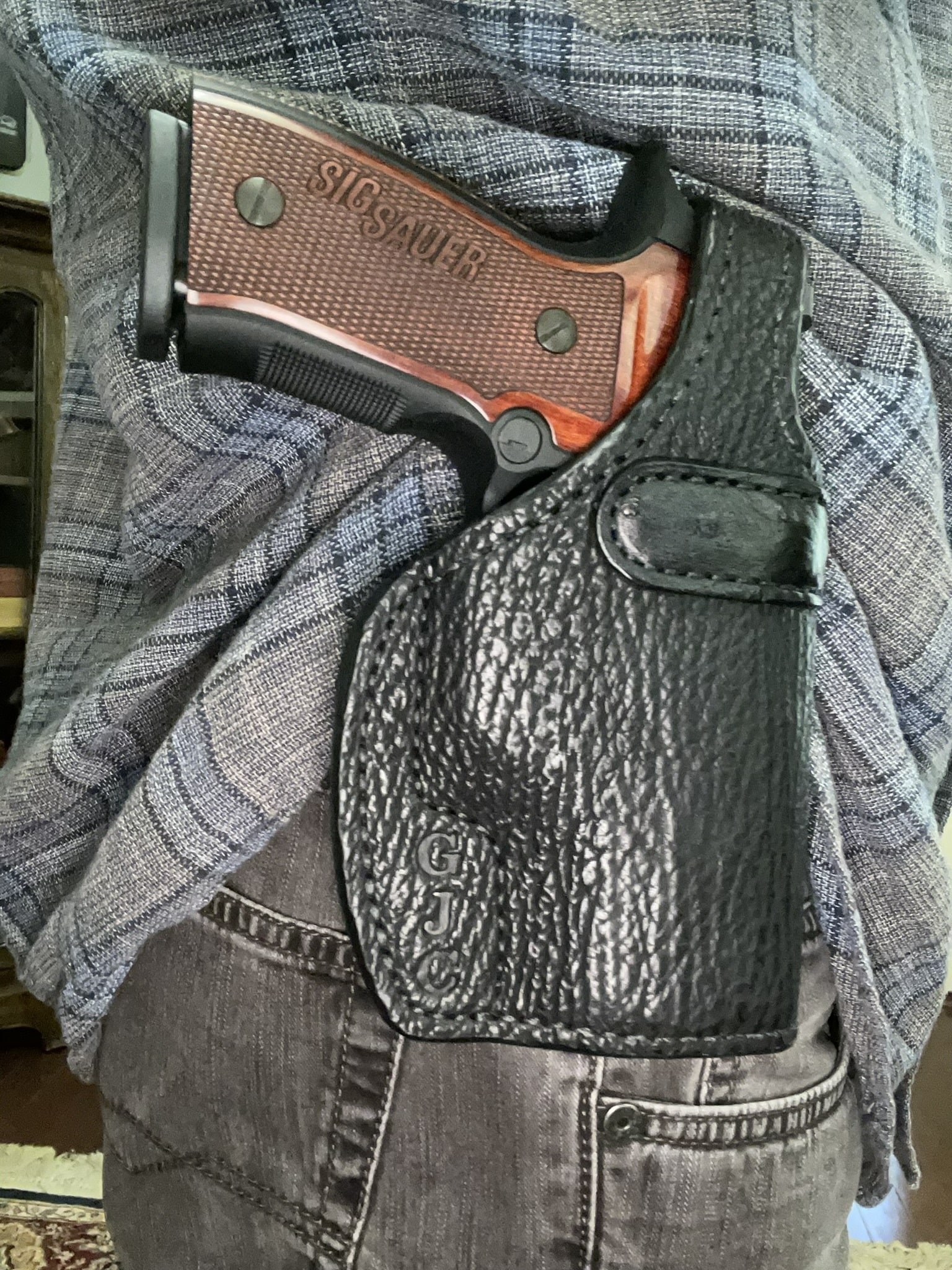
Thirty-One Guns Gone in Sixteen Months
At that point, I had to assess the remaining guns more carefully. In the beginning, I thought I might reduce the number to twenty-four firearms. Then I realized how difficult that plan would be. During that same period I had acquired four additional guns. Two were keepers. Two were purchased to write about and then sell.
I considered limiting the keepers to the Baby Boom period — 1946 through 1964 — because many of the remaining guns fell within that range. It sounded good until I put it on paper. There were still guns outside that target period that I used, carried, or had a specific purpose for.
Purposed Guns Outside the Baby Boom Period
At a minimum, I knew I would keep at least one rifle, two shotguns, and five handguns. Whatever else I kept beyond that core group would be for enjoyment. I had said before that I wanted to reduce the number in my stockpile, arsenal, or collection to twenty-four firearms. Ignoring the seven purposed guns above, that would allow seventeen to display as part of the collection. Perhaps it is doable.
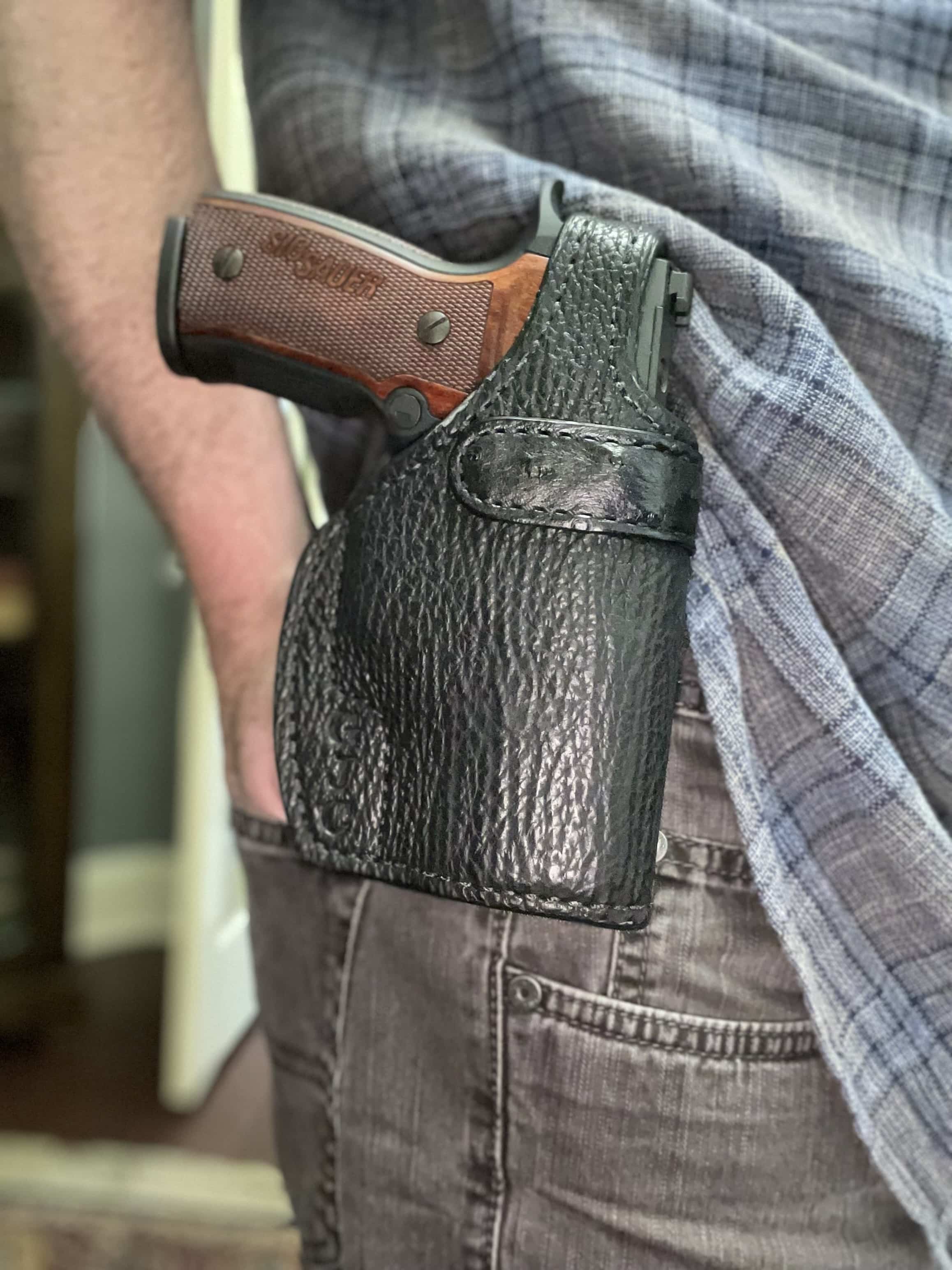
I was also preparing to send another dozen collectibles to consignment. Three of those were unfired examples I could never bring myself to shoot. The closer I got to the goal, the more confidence I had that I could reduce the collection to the target number. But no matter what, I was probably going to remain in someone’s “stockpile” category for life.
Collector Takeaway
Downsizing is not just about selling guns. It is about assigning purpose, documenting value, protecting family members from confusion, and deciding which firearms still fit the collection. For collectors, the best time to organize those decisions is before anyone else has to do it under pressure.
Related Collector Guides

About the Author
Greg Cook
Greg Cook writes about firearms collecting, personal history, and the stories behind interesting guns. His Army MOS was 76Y, Unit Armorer, and he brings that practical background to his collector articles.