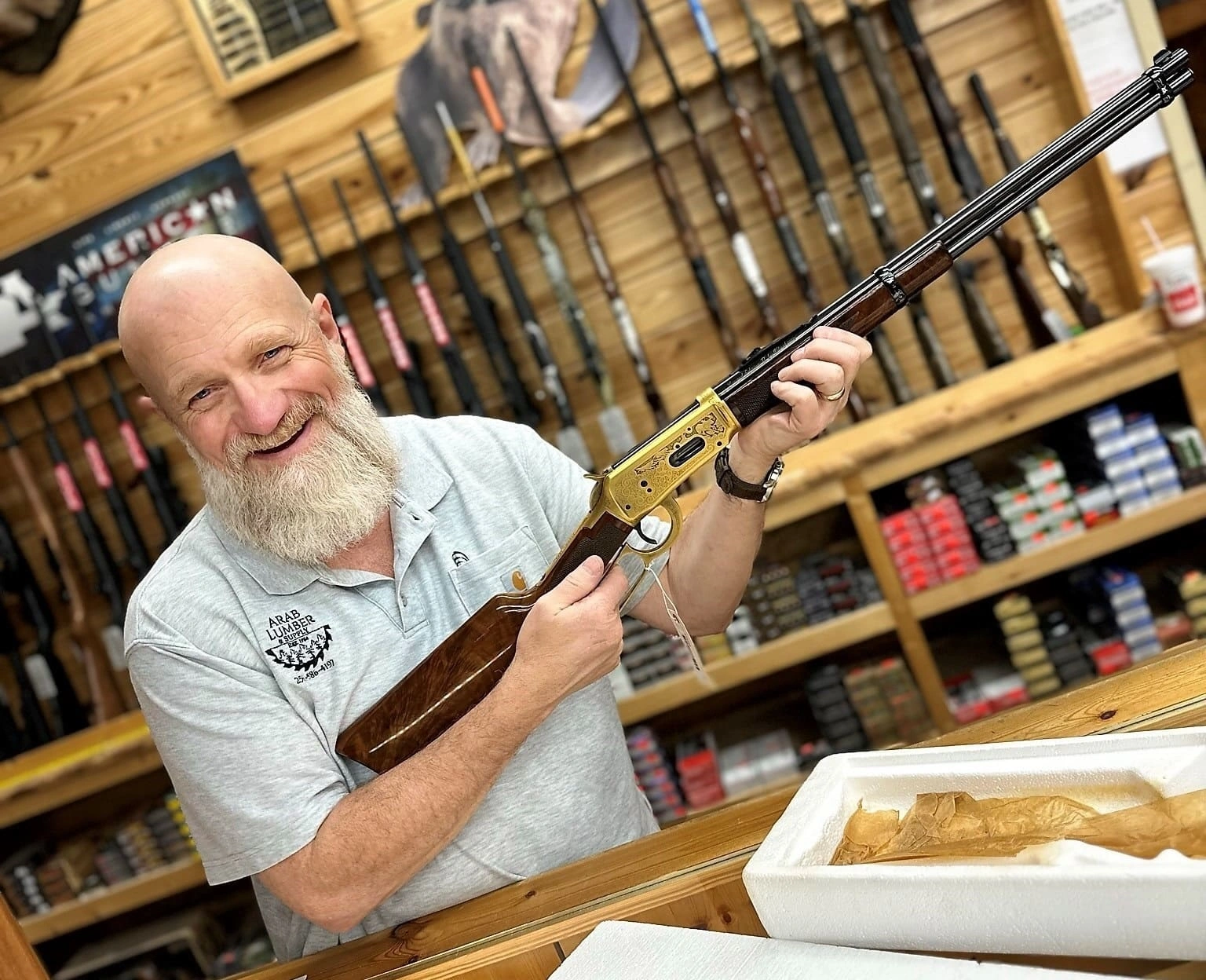
My Winchester featured on this page is a Model 94 Lever Action Repeating Carbine chambered in .30-30 Winchester, with a 20-inch round barrel. It is a Limited Edition II rifle, one of 1,500 made around 1978 or 1979.
I have often said I am not a big fan of commemorative or special-edition guns. In fact, this is only the second commemorative gun I have purchased. I originally set out to find a Winchester from the post-World War II, pre-1964 period. Instead, I found this rifle — and it checked enough collector boxes to change my mind.
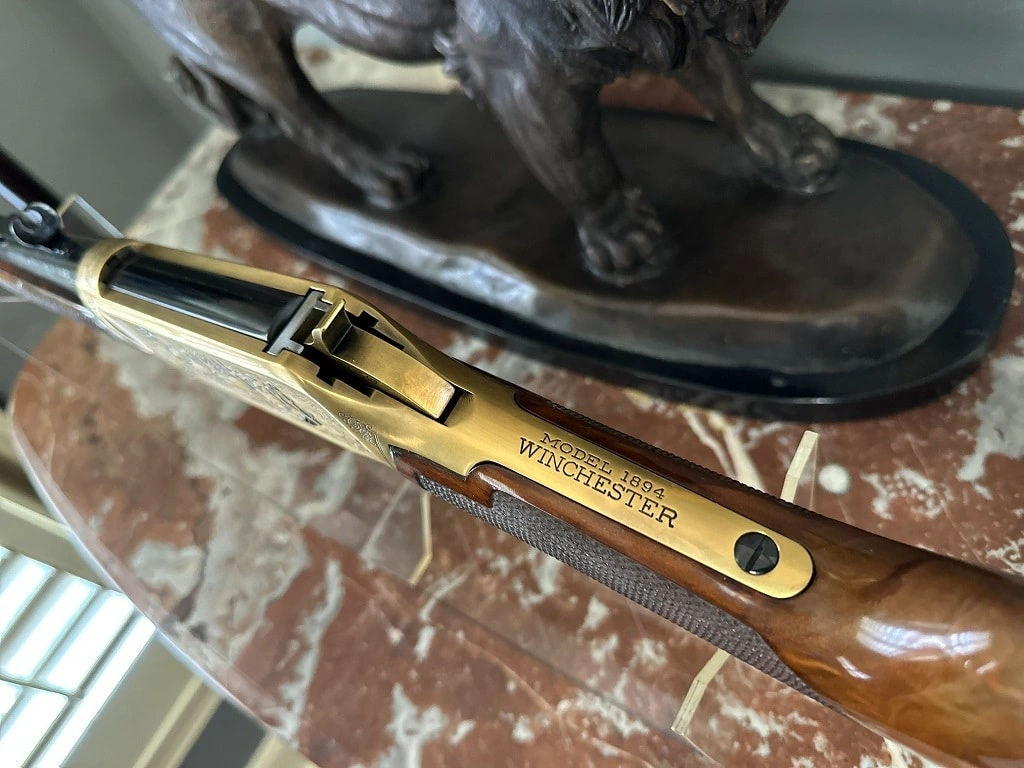
Why this Model 94 caught my attention
One thing I knew for certain when I began my search for a Winchester .30-30: the gun I bought had to be a pre-64 example in excellent condition, or else it had to be a special or limited-edition gun with enough craftsmanship and presentation value to stand on its own.
I was graduating high school, Class of 1978, when this gun was made. At the time Winchester produced these 1,500 rifles, the company was commemorating the sale of five million Model 94s. Since then, the total rose even higher, making the Model 94 one of the most successful sporting rifles in American history.
Would you be surprised if I told you John Browning designed the Winchester Model 1894?
The Browning design hiding in plain sight
The Winchester Model 1894 was designed by John Moses Browning, a fact that still surprises some casual rifle owners. Browning’s name is strongly associated with pistols, shotguns, machine guns, and semi-automatic designs, but his fingerprints are also all over the great lever-action era.
The Model 94 became famous because it worked. It was light enough to carry, fast enough for woods hunting, strong enough for the cartridges it was designed around, and familiar enough to generations of American hunters that it became part of the landscape.
Wow Point
7,000,000+Before the AR-15 became America’s modern icon, the Winchester 94 was already America’s working rifle.
More than seven million Model 94 rifles were produced in the United States from 1894 to 2006. That kind of production does not happen by accident. It happens when a design becomes useful, trusted, affordable, and familiar across generations.
The pre-64 shadow
For Winchester collectors, “pre-64” means more than a date. It represents a manufacturing philosophy — forged parts, handwork, traditional fitting, and a finish standard that many collectors believe changed after the 1964 cost-cutting transition.
This particular rifle is not pre-64, and I do not pretend that it is. But the Limited Edition II version gives the collector something different: a late-1970s Winchester that intentionally looks backward toward legacy, presentation, and pride. That is why it belongs in the conversation even though it came after the famous dividing line.
For more on that broader collector issue, see my related article on Guns from the Baby Boom Years: 1946–1964.
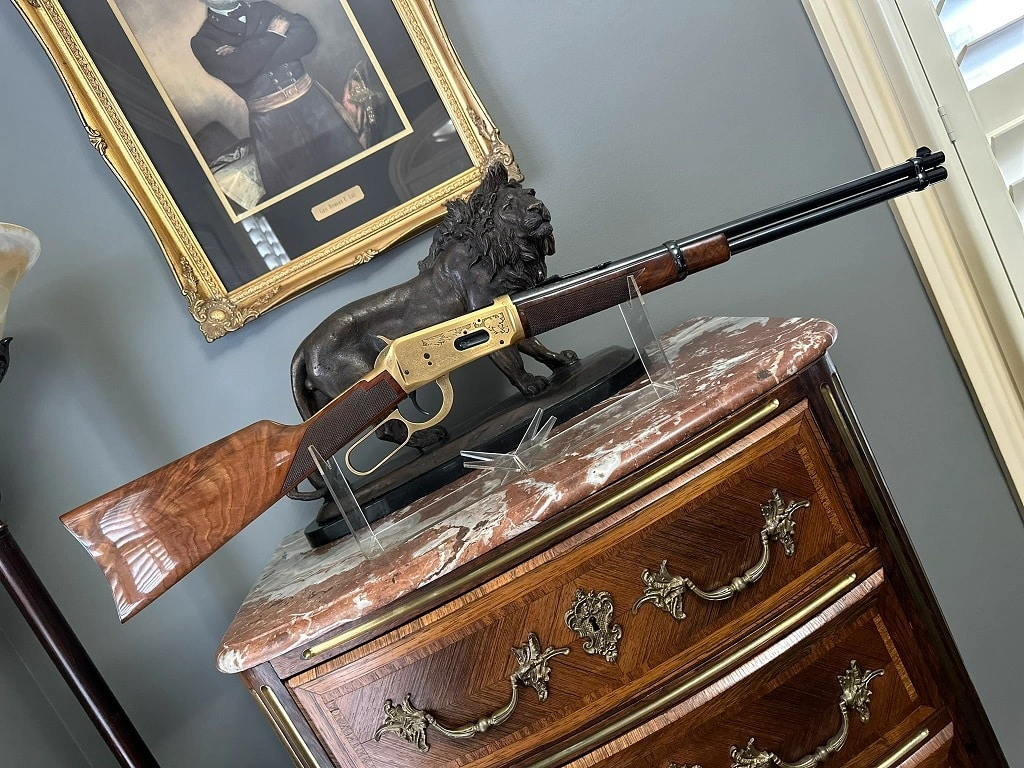
Limited Edition II collector appeal
The materials and workmanship that went into this rifle are extraordinary compared with the standard Winchesters being produced in the late 1970s. That is the reason I made an exception to my normal hesitation about commemorative guns.
A limited-edition firearm can be a trap if the only thing special about it is marketing. But when a gun combines limited production, strong presentation, good materials, an iconic design, and personal timing, it becomes more interesting than a simple catalog variation.
Miroku and the modern Winchester question
Today, modern Winchester-branded rifles are associated with Miroku production in Japan. That does not automatically make them inferior. In fact, Miroku has built many excellent firearms with strong fit and finish. But for collectors, country of manufacture, production era, and historical context all matter.
The Miroku era belongs in the modern Winchester story, while pre-64 Winchesters, New Haven production, and limited-edition commemoratives each occupy a different collector lane. I discuss that manufacturing connection separately on the Miroku firearms page.
The book I would keep on the shelf
If I could have only one book on the .30-30 and Winchester Model 94, I would keep a dedicated hardcover reference close at hand. The Model 94 is common enough that casual owners think they know it, but deep enough that serious collectors can spend a lifetime studying production changes, sights, ammunition, and variations.
Good reference material matters because condition, configuration, special editions, and production details can move a rifle from “ordinary old Winchester” to “interesting collector example.”
Winchester .30-30 Model 94 BookRelated reading and next stops
This rifle sits naturally with other long-gun pages on the site. If you like the Model 94, you will probably enjoy comparing it to the Savage 99, Colt Sauer, Winchester Model 42, and the broader Baby Boom-era craftsmanship discussion. If you have an interest in old Winchesters, see Guide to Collecting Pre-64 Winchester Firearms .
From My Bench
If you are setting up your own workspace or maintaining a collection, I keep a curated list of tools, books, cleaning gear, storage items, and bench accessories that fit the way I work.
Browse My Gear ListAs an Amazon Associate I earn from qualifying purchases. I only link to products, books, tools, and accessories that fit the editorial purpose of Gun Collectors Club.

About Greg Cook
Greg Cook writes about firearms collecting, personal history, and the stories behind interesting guns. His Army MOS was 76Y, Unit Armorer, and he brings that practical background to his collector articles.