The Olympic shooting events of the 1950s sit at the intersection of sport, military discipline, and Cold War symbolism. The 1952 Games in Helsinki and the 1960 Games in Rome were separated by eight years, but they belong to the same story: precision shooting became one more arena where nations measured themselves in public.
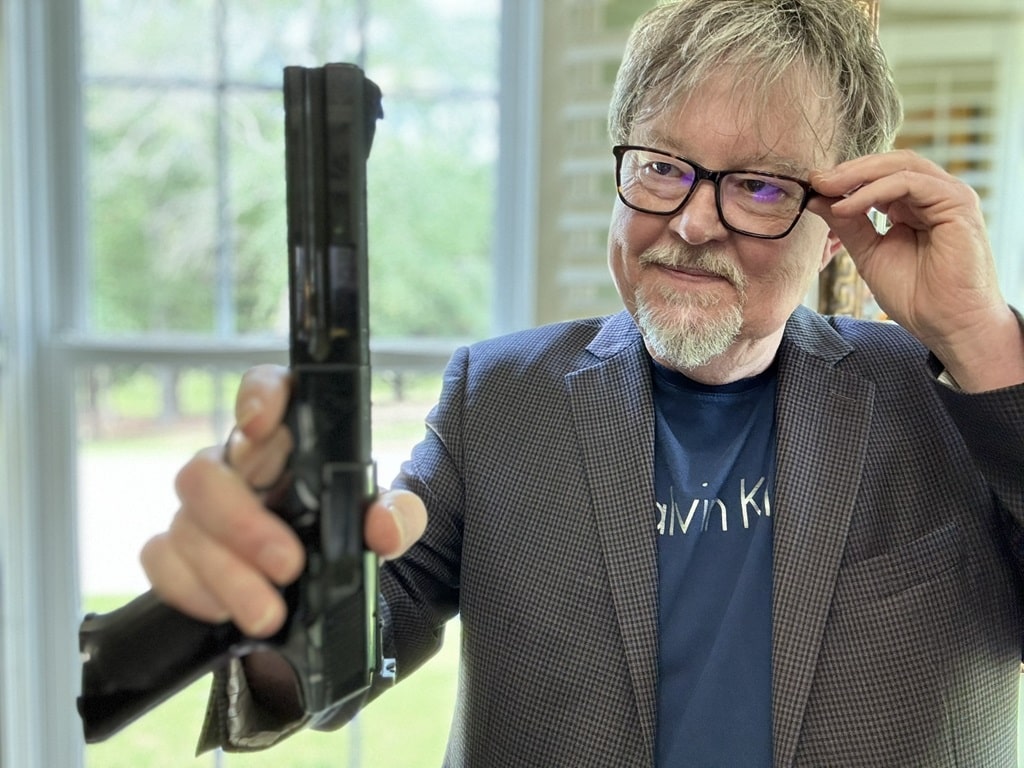
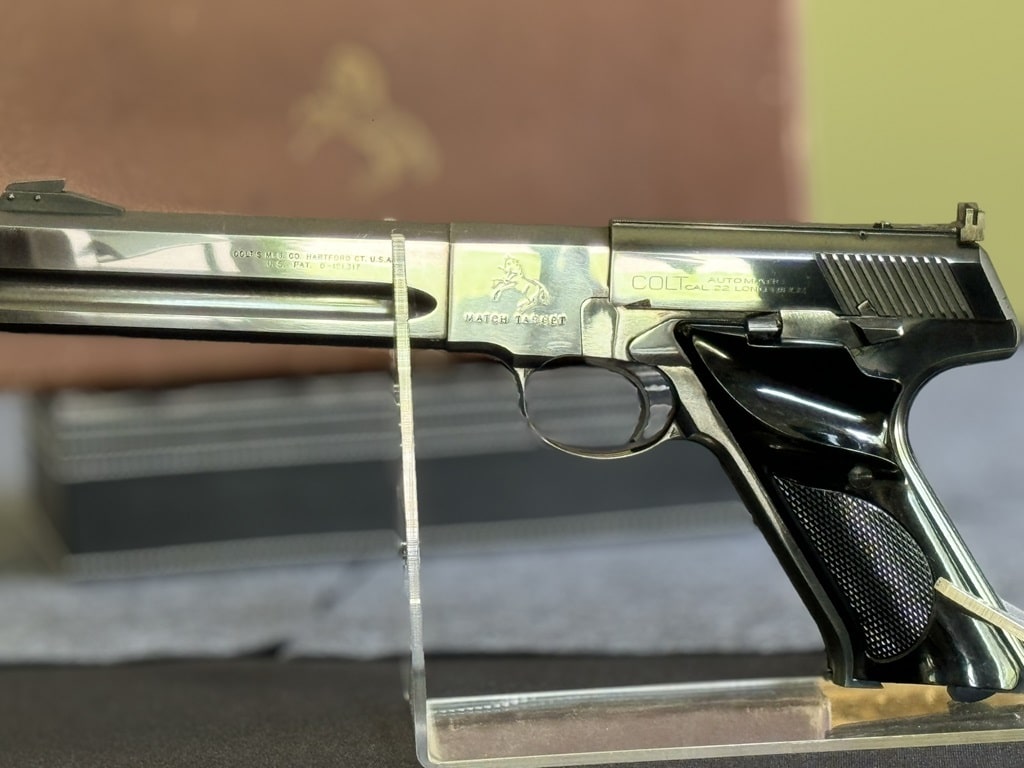
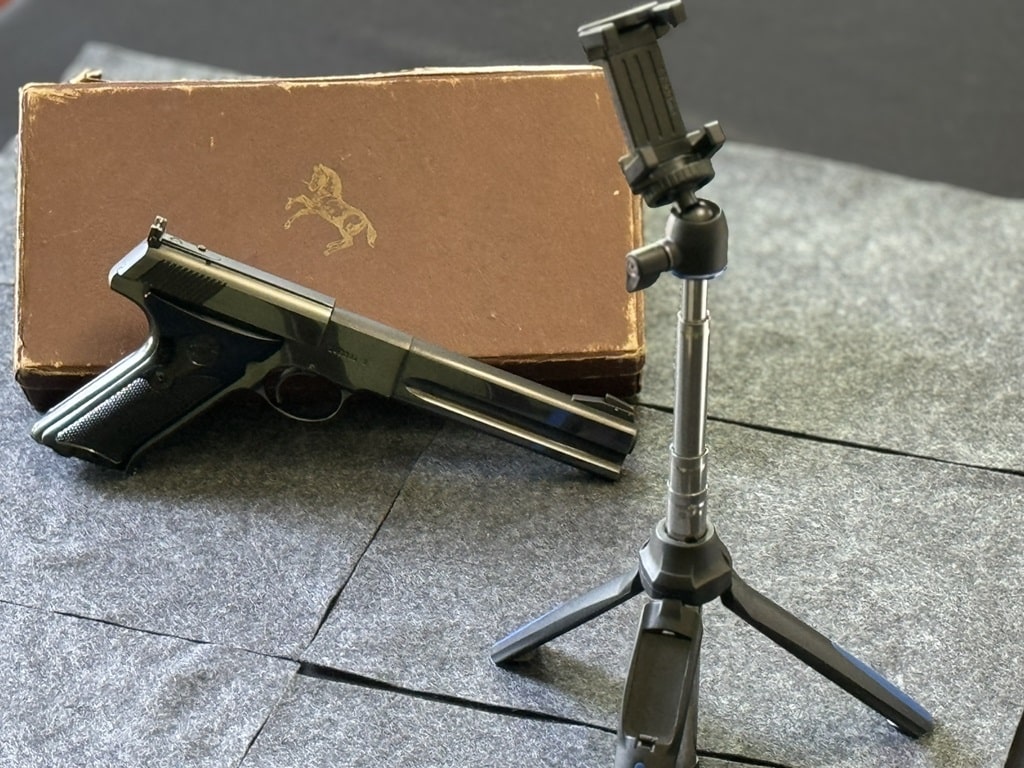
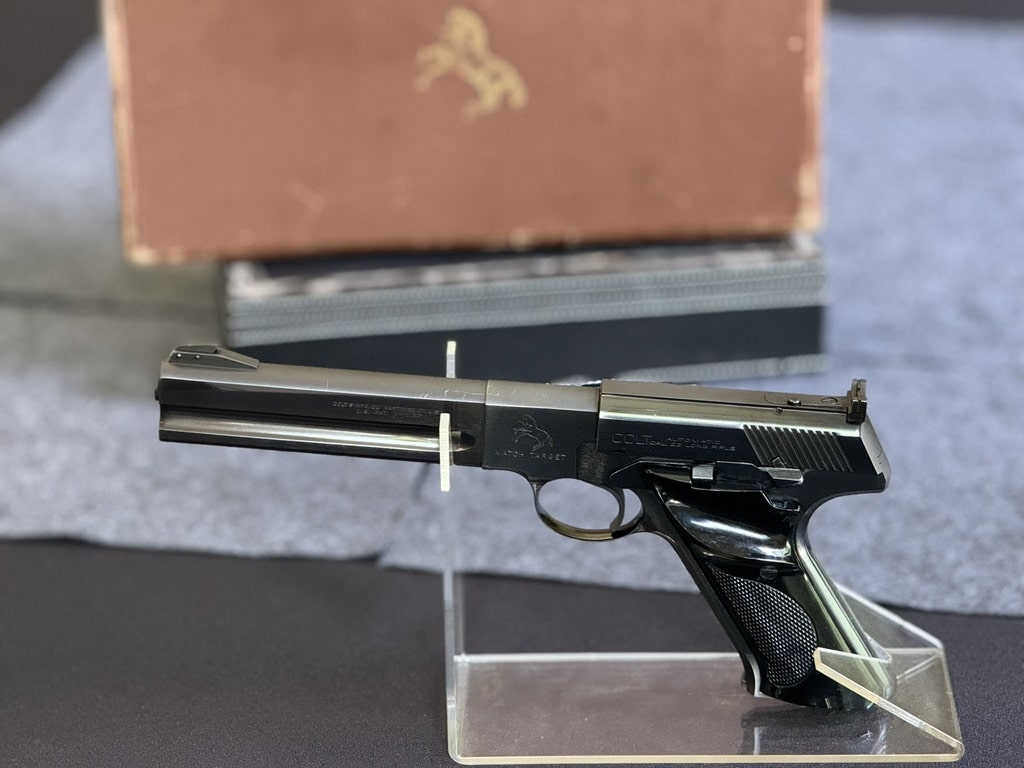
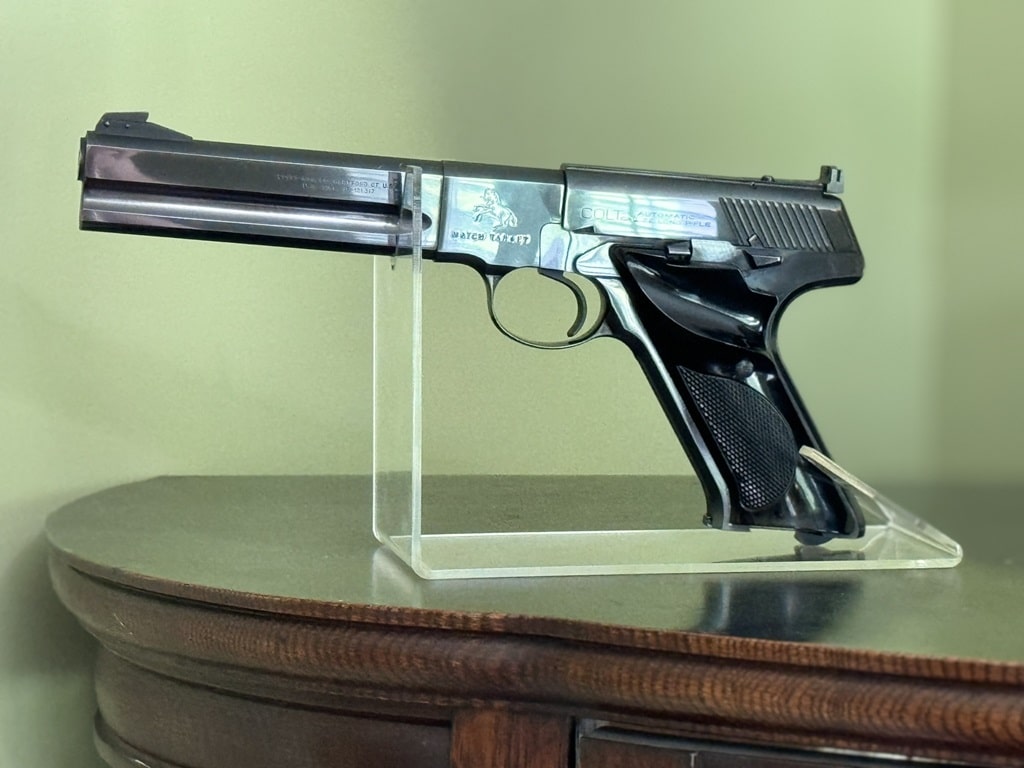
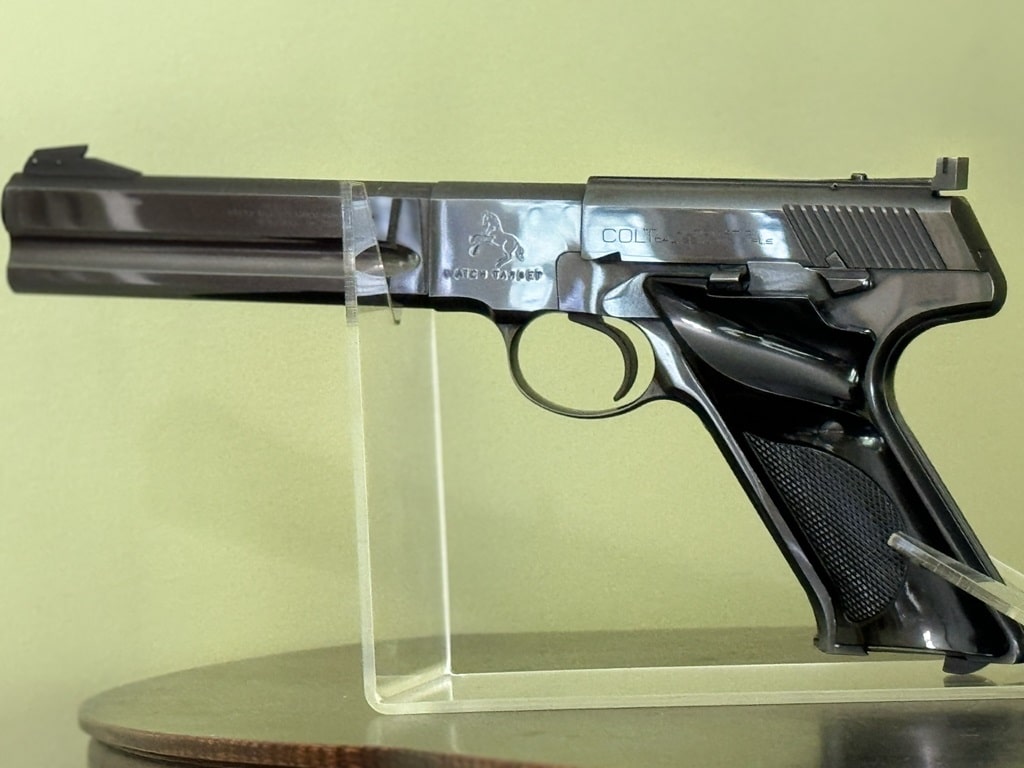
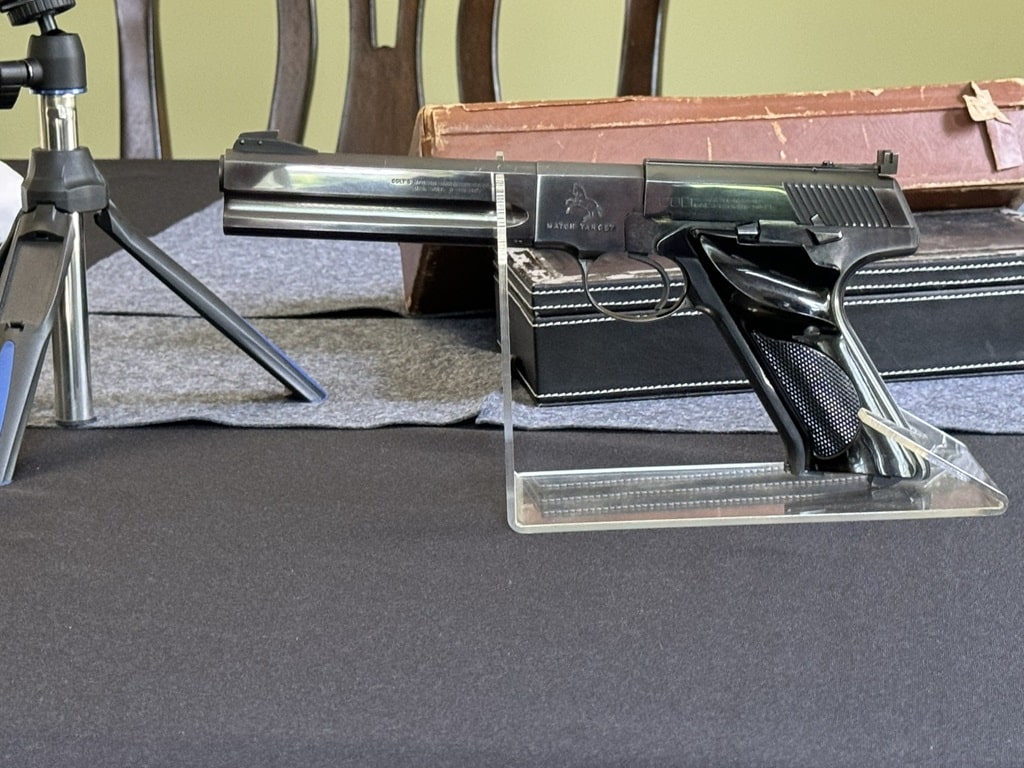
For collectors, that era also explains why mid-century .22 target pistols, military rifle programs, and Camp Perry-style marksmanship culture still carry so much meaning. A Colt Woodsman Match Target, a High Standard, or a Smith & Wesson Model 41 is more than a range gun. In the right historical context, it is a reminder of the age when military marksmanship, Olympic competition, and national identity overlapped.
In the 1950s, a target pistol was not just sporting equipment. It could represent training, discipline, national pride, and Cold War confidence.
The 1952 Helsinki Games
The 1952 Summer Olympics in Helsinki were among the first Games to feel the full weight of the postwar world. Athletes gathered in a spirit of international competition, but the rivalry between the United States and the Soviet bloc was already shaping how victories were interpreted at home.
Shooting was a natural fit for this atmosphere. It rewarded calm hands, repeatable technique, and the ability to perform under pressure. Those qualities translated easily into the language of military readiness and national discipline.
Joe Benner and Rapid Fire Pistol
Joe Benner, representing the United States, became one of the standout American names in the 1952 Olympic shooting program. His gold medal in the men’s 25 meter rapid fire pistol event carried the obvious value of athletic achievement, but the timing gave it a wider meaning.
Benner’s background in military service made his victory easy to frame as a triumph of training and composure. Rapid fire pistol is a demanding event because accuracy must be delivered under a hard time limit. The shooter cannot simply be careful; he must be controlled, decisive, and repeatable.
Arthur Jackson: Olympic Shooter and Intelligence Career
Arthur Jackson was another important American shooter from the Helsinki Games. He competed in rifle events and earned a place in Olympic shooting history, but his later career gave his story a Cold War character that reads almost like a period novel.
Jackson’s post-Olympic work connected the discipline of elite marksmanship with national service. That connection was not unusual in the era. Many accomplished shooters came through military, law-enforcement, or government circles, where precision and discipline were more than sporting virtues.
Sports as Cold War Theater
The Olympics offered the United States and the Soviet Union a way to compete without direct military confrontation. Medal tables became a public scorecard. Every victory could be interpreted as evidence of superior discipline, training, institutions, and national character.
That is why shooting events had symbolic weight beyond the target line. A gold medal in pistol or rifle shooting was easy to understand. It suggested steadiness under pressure and the mastery of a practical skill associated with soldiers, police, hunters, and national defense.
Collector Insight
Why These Events Still Matter to Collectors
The mid-century target pistol market is not driven by Olympic history alone. It is driven by the whole environment around the sport: military training, Camp Perry, club competition, rimfire precision, and the belief that a well-made target pistol represented serious skill.
The 1960 Rome Games
By the time the Olympics reached Rome in 1960, Cold War sports rivalry was no longer subtle. The United States continued to field strong shooters, and William McMillan became one of the central American figures in pistol competition.
McMillan’s victory in the 25 meter rapid fire pistol event continued the American success story that Joe Benner had advanced in 1952. His Marine Corps background fit the same pattern: elite marksmanship, military discipline, and Olympic performance reinforcing one another.
William McMillan and the Colt Woodsman Connection
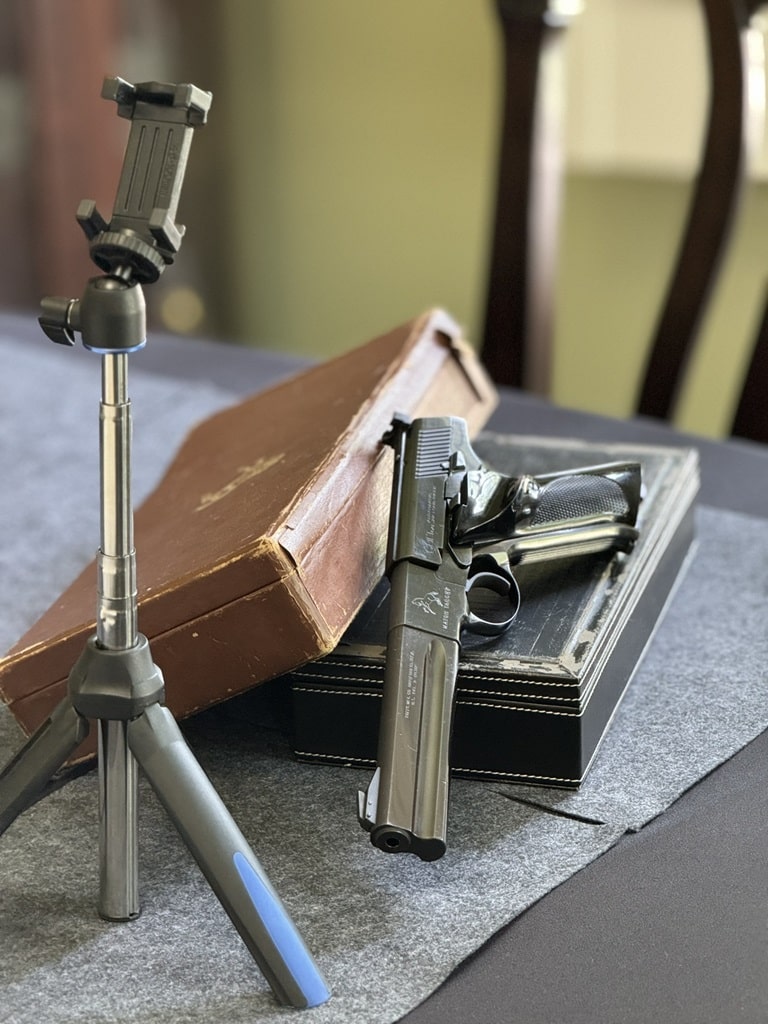
William McMillan’s Olympic career gives collectors a direct reason to pay attention to the target pistols of the period. He competed across several Olympic cycles, and his name is often discussed alongside the Colt Woodsman because of the role that pistol played in his competitive history.
That connection is one reason the Colt Woodsman Match Target is more than just another .22 automatic. It belongs to a larger tradition of serious rimfire pistol shooting, where balance, trigger quality, sight picture, and reliability mattered deeply.
Collector Value of the Olympic-Era Target Pistol Story
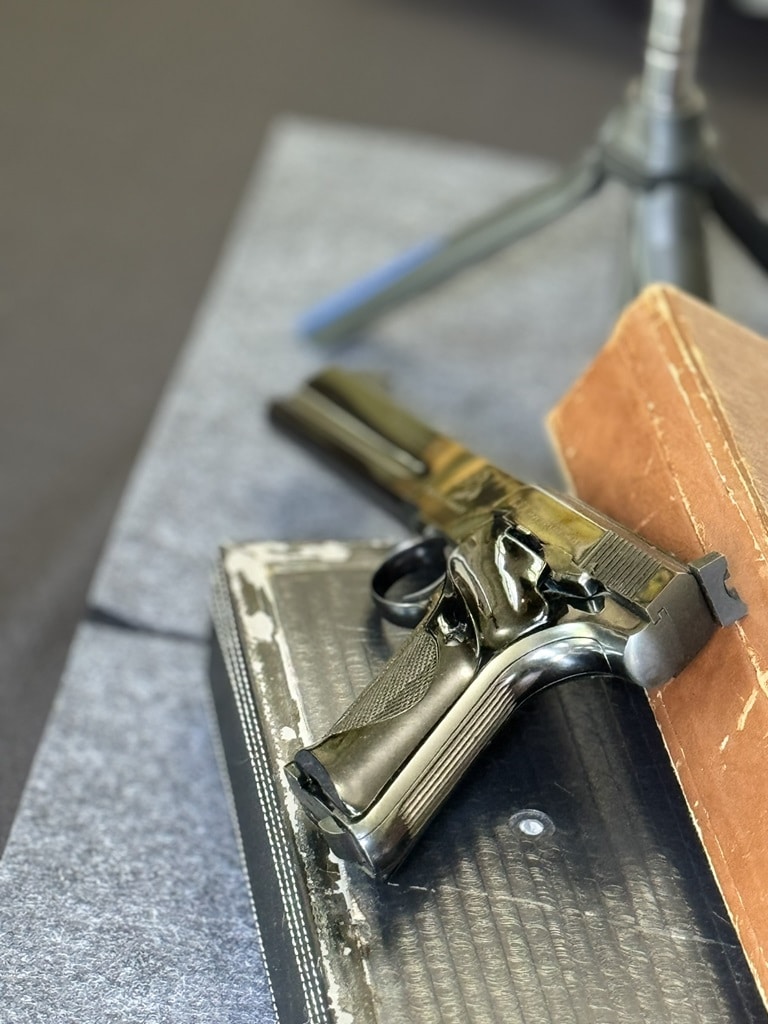
Collectors often ask why some .22 target pistols command lasting attention while ordinary rimfire pistols remain merely useful. The answer is usually a mix of design quality, production history, condition, and cultural association. Olympic-era target pistols benefit from all four.
| Collector Factor | Why It Matters |
|---|---|
| Original condition | Finish, grips, sights, magazines, and boxes help establish whether the pistol remains in collectible configuration. |
| Target model features | Adjustable sights, heavy barrels, target grips, and factory match configurations separate serious target pistols from standard field models. |
| Period context | Camp Perry, Olympic shooting, military teams, and club matches give the pistol a larger historical setting. |
| Documented provenance | Association with a competitive shooter, team, or match history can matter, but only when supported by documentation. |
Cold War Reading Note
The original version of this page referenced New Cold Wars by David E. Sanger as a modern reminder that superpower rivalry did not end with the 1950s. That book is not about Olympic shooting, but it helps frame why Americans continue to look back at earlier Cold War competition with renewed interest.

Final Collector Takeaway
The 1952 and 1960 Olympic shooting events are worth remembering because they show how target shooting once stood at the center of sport, military discipline, and national identity. Joe Benner, Arthur Jackson, and William McMillan were competitors, but they were also products of a culture that took marksmanship seriously.
That is the same culture collectors encounter when they pick up a well-preserved Colt Woodsman Match Target or another serious mid-century .22 pistol. The pistol is a mechanical object, but the history around it is what gives it life.
Related Reading
From My Bench
For collector research, I keep a short list of reference books, storage gear, cleaning supplies, and bench tools that fit the way I actually work with old guns.
Browse My Gear ListAs an Amazon Associate I earn from qualifying purchases. I only link to products, books, tools, and accessories that fit the editorial purpose of Gun Collectors Club.

About Greg Cook
Greg Cook writes about firearms collecting, personal history, and the stories behind interesting guns. His Army MOS was 76Y, Unit Armorer, and he brings that practical background to his collector articles.